
Leek moth
Acrolepiopsis assectella
Description
How to identify
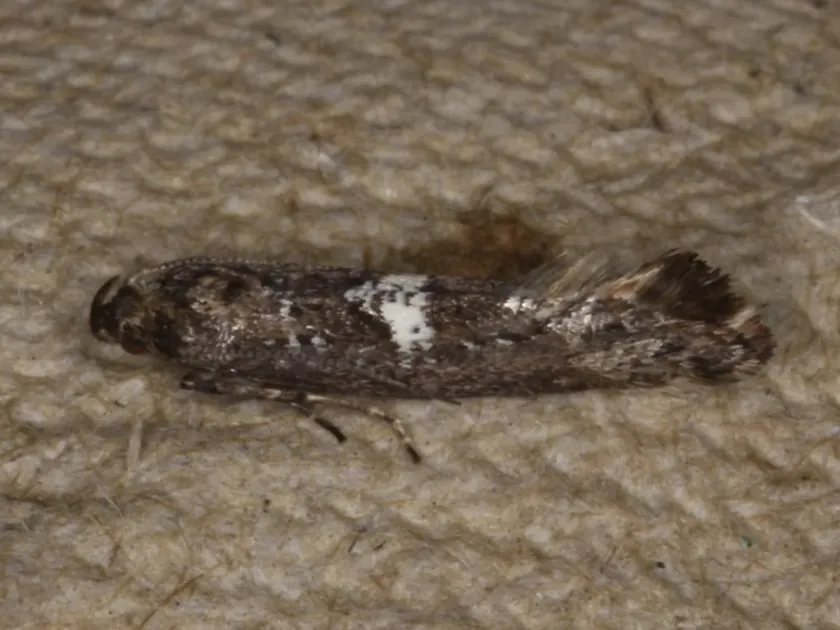
The leek moth (Acrolepiopsis assectella) is a significant pest belonging to the Acrolepiidae family. The adult moth is small, with a wingspan of approximately 12–15 mm, displaying a mottled brown coloration that provides excellent camouflage against soil and foliage.
The larvae are pale yellow-green with brown heads and dark spots, growing up to 10–12 mm in length. They are the primary stage responsible for crop destruction, living protected within the leaves of host plants.
What it damages
This pest exclusively attacks plants of the Allium genus, including onions, leeks, garlic, shallots, and chives. It is a widespread problem in home gardens and commercial vegetable farms across temperate regions.
Larvae feed on the leaf tissues, creating tunnels and surface mines. Severe infestations can cause the collapse of the central leaves, stunt plant growth, and leave the bulbs susceptible to rot and secondary fungal pathogens.
When it appears
Leek moths overwinter as adults in sheltered locations like debris, hedges, or sheds. In spring, they emerge as temperatures rise to lay eggs on the base of host plant leaves.
Depending on weather conditions, there are typically two to three generations per year. The peak activity of the larvae usually coincides with the mid-summer growing period of onions and leeks.
Signs of infestation
Visible signs of infestation include irregular white patches or "windows" on the leaves where the larvae have consumed the green tissue. Leaves may become distorted, yellowed, and eventually die off from the tip downwards.
Upon closer inspection, users might find silken cocoons attached to the foliage or leaf debris. Damaged plants often show signs of stunted development and premature wilting compared to neighboring healthy plants.
Control measures
Cultural practices are the first line of defense. Rotating Allium crops away from infested areas and cleaning up plant remains after harvest are crucial for breaking the lifecycle of the moth.
- Covering crops with fine insect-proof netting to prevent egg-laying.
- Utilizing pheromone traps to disrupt mating and monitor population levels.
- Applying recommended biological insecticides (such as Bacillus thuringiensis) during the peak larval stage.
Maintaining plant health with proper irrigation and fertilization helps the crop withstand light infestations while active management keeps pest populations below the economic threshold.
Taxonomy
- Latin name
- Acrolepiopsis assectella
- Order
- Lepidoptera (butterflies)
- Family
- Plutellidae
- EPPO code
- ACROAS
Discussion
No discussions yet — be the first.