
Platysoma oblongum
Platysoma oblongum
Description
How to identify
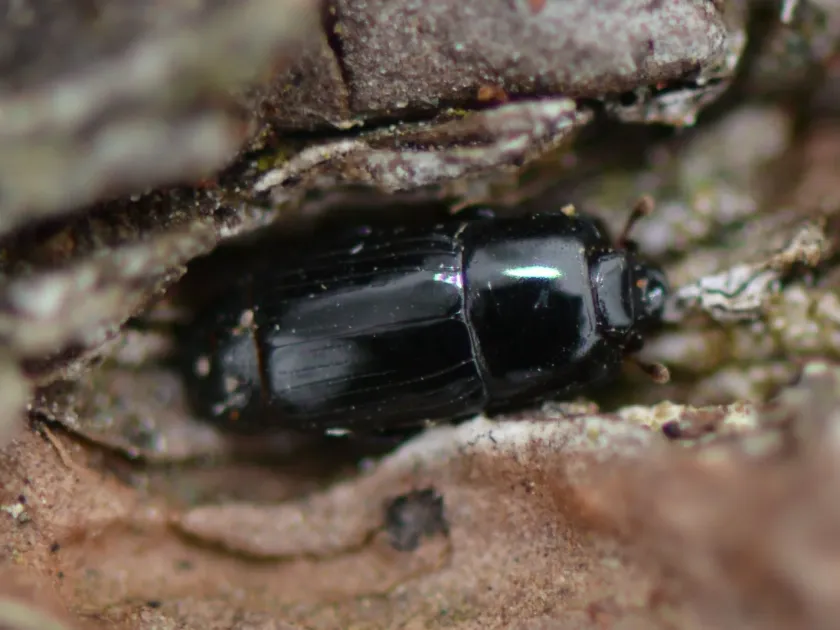
Platysoma oblongum is a species of beetle belonging to the Histeridae family. These insects are known for their extremely flattened bodies, an adaptation that allows them to live and move efficiently in the narrow spaces beneath tree bark.
The adult beetle is small, typically characterized by shiny, dark, or blackish wing covers (elytra) with distinct longitudinal grooves. Their physical structure is highly specialized for life in confined micro-habitats.
The mouthparts are adapted for a predatory lifestyle, as both adults and larvae often feed on other small insects or larvae living within the tree galleries.
Being highly mobile, these beetles can rapidly colonize trees that have been previously weakened by primary pests or environmental stressors.
Due to their small size and secretive nature, Platysoma oblongum is often overlooked unless a careful inspection of the sub-cortical area is performed.
What it damages
The beetles primarily inhabit broadleaf and coniferous trees, often selecting those that are already suffering from drought, mechanical injuries, or pathogenic diseases.
While primarily predatory, their damage is indirect; by enlarging existing insect galleries, they physically disrupt the tree's cambium and facilitate the entry of rot-inducing fungi.
They contribute to the structural degradation of the wood, which is particularly problematic in stored timber that has not been properly treated or stored.
The presence of these beetles is a reliable indicator that the tree's defense system is compromised and that it is susceptible to further decline.
In forestry, their activity is linked to the overall health of the stand, as they frequently occupy niches left behind by primary bark-boring pests.
When it appears
The activity period for these beetles begins in early spring as temperatures rise, signaling the end of their overwintering phase under the bark or in leaf litter.
Breeding and peak activity occur during late spring and throughout the summer, when adults are most mobile and seeking new sites to colonize.
Throughout the warmer months, they continue to hunt within the galleries, completing their life cycle and ensuring the survival of the next generation.
As autumn approaches, the beetles begin to slow their activity, seeking refuge in protected cavities within the wood or beneath the soil surface to survive the winter.
The life cycle of Platysoma oblongum is synchronized with the availability of suitable hosts, which often means their population fluctuates alongside other bark beetle species.
Signs of infestation
Signs of infestation include small, circular entrance holes in the bark, often found in clusters where multiple beetles have aggregated.
The presence of boring dust or frass beneath the tree trunk is a common indicator of insect activity inside the wood or under the bark.
If the bark is carefully removed, the characteristic galleries made by primary pests can be observed, often occupied by the Platysoma oblongum beetles themselves.
Discoloration of the cambium or local patches of bark loosening can suggest an active infestation involving a complex of wood-boring and predatory beetles.
- Presence of fine sawdust at the tree base.
- Small entry holes on the bark surface.
- Loose or peeling bark patches.
Control measures
The most effective strategy involves maintaining high sanitary standards in forest management, including the prompt removal of dead or dying trees to prevent population surges.
Proper timber storage is crucial; wood should be kept in dry, well-ventilated conditions to minimize the risk of colonization by these and other secondary pests.
Monitoring using pheromone traps can help track the beetle population and provide early warning of an increase in their activity within the forest or nursery.
Chemical control measures are generally reserved for high-value ornamental trees and involve targeted insecticide treatments during the period of adult emergence.
Biological control, which focuses on protecting natural predators such as woodpeckers and various parasitoids, plays a significant role in keeping populations in check.
Taxonomy
- Latin name
- Platysoma oblongum
- Order
- Coleoptera (beetles)
- Family
- Histeridae
- EPPO code
- PLTSOB
Discussion
No discussions yet — be the first.