
Pipistrelle
Pipistrellus
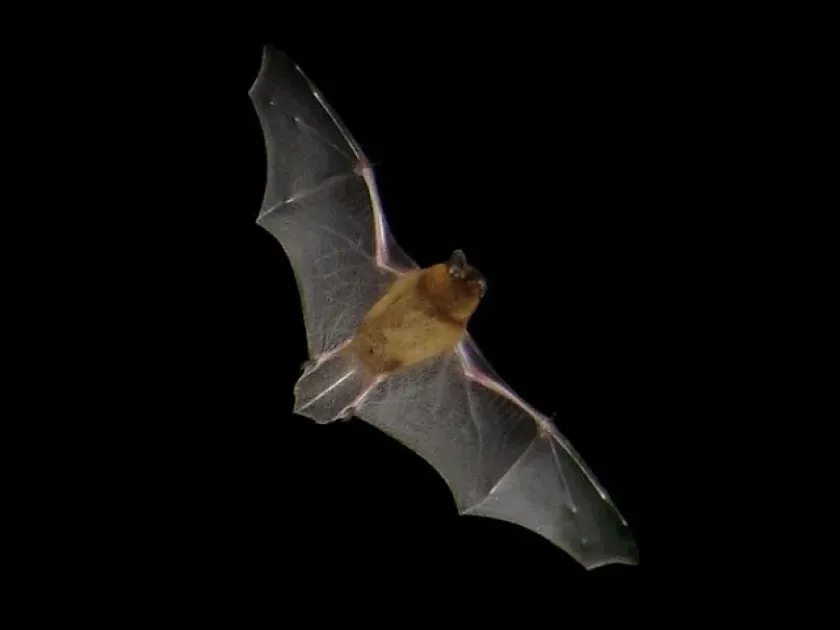
Description
How to identify
The pipistrelle, genus Pipistrellus, is a small species of bat belonging to the family Vespertilionidae. Despite being small, they are among the most significant biological allies for farmers across the globe.
These bats are easily identified by their diminutive size, weighing only a few grams, and their characteristic erratic flight pattern during twilight hours. Their fur typically ranges from golden brown to dark chocolate brown.
They are nocturnal animals that rely on high-frequency echolocation to navigate through the dark and locate tiny flying insects. During the day, they roost in small, secure crevices, such as gaps in walls, tree hollows, or roof tiles.
Biologically, pipistrelles are obligate insectivores. They lack the jaw structure required to chew plant matter, meaning they are incapable of causing damage to crops, vegetables, or fruits.
In an agricultural setting, they function as natural controllers of pest populations. A single colony can consume thousands of moths, beetles, and mosquitoes, providing valuable ecosystem services to the farmer.
What it damages
To be clear, pipistrelle bats do not cause damage to crops. They are not agricultural pests; they never feed on leaves, stems, seeds, or fruits, as their physiology is strictly limited to an insect-based diet.
There is no record of Pipistrellus species damaging grain stores or field produce. Their presence in farm structures is often mistaken for a pest problem due to the accumulation of guano, but this is a hygiene issue rather than a crop health issue.
They do not carry plant pathogens and are not attracted to commercial harvests. Their role is entirely beneficial, as they reduce the overall population of insects that actually pose a threat to agricultural productivity.
Unlike rodents, which destroy seeds and gnaw on equipment, bats leave crops untouched. Their activity is focused solely on the sky above the fields, making them one of the safest creatures for an agro-environment.
Farmers who encourage the presence of these bats often see a decrease in the need for chemical insecticides, as the bats handle the insect management naturally throughout the night.
When it appears
The activity cycle of the pipistrelle depends heavily on insect availability. They emerge from hibernation in the spring, typically around April, as temperatures rise and flying insects become abundant.
Summer is their peak activity period. During this time, they engage in intense foraging and pup-rearing. Adult bats can be observed hunting over fields throughout the entire night to sustain their high metabolic demands.
As autumn arrives and temperatures drop, their food source starts to disappear. They begin to seek out winter hibernation sites, which are typically cool, stable-temperature environments where they can rest until spring.
During the winter months, these bats enter a state of torpor. Their metabolic rate slows down significantly, allowing them to survive on stored body fat without needing to hunt until the next foraging season.
Regional climate plays a large role in their seasonal activity. In warmer southern climates, they may remain active later into the year, while northern populations hibernate earlier to survive the harsh winter conditions.
Signs of infestation
The most common sign of their presence is the sight of tiny, fast-moving silhouettes swooping through the air shortly after sunset. This erratic hunting behavior is a classic identifier for the Pipistrellus genus.
If you suspect they are using your barn or sheds for roosting, look for small, dark, granular droppings near the walls or ceiling. Unlike mouse droppings, these consist mostly of insect chitin and crumble easily when pressed.
An audible high-pitched chattering can sometimes be heard during the evening if a colony is nesting nearby. While rarely seen during the day, their nocturnal activity is impossible to miss if you observe your fields in the dusk.
The absence of damaged vegetation confirms that the animals flying above are not there for your crops. They are there to hunt the pests that would otherwise damage your farm products.
If you see bats and find no damage on your plants, you are looking at a natural pest control system. No action is required to "protect" the fields, as the bats are already performing this job for you.
Control measures
Because pipistrelles are highly beneficial animals, there are no agricultural measures to control or eradicate them. In many jurisdictions, they are strictly protected by law due to their crucial role in the ecosystem.
If they become an inconvenience in a storage facility, the only recommended approach is to install fine mesh screens on vents to prevent entry, which is a humane and non-lethal deterrent.
The use of broad-spectrum pesticides is highly discouraged where bats are active. Pesticides not only kill the insects that feed the bats but can also lead to bioaccumulation of toxins within the bat colony.
Enhancing habitat by preserving hedgerows and providing bat boxes can increase the bat population, which directly correlates to fewer insect-related crop issues and reduced reliance on expensive chemicals.
Sustainable farming practices should always include the protection of such beneficial wildlife. By fostering an environment where pipistrelles can thrive, you invest in the long-term health and efficiency of your farm.
Taxonomy
- Latin name
- Pipistrellus
- Family
- Vespertilionidae
- EPPO code
- PIPISP
Discussion
No discussions yet — be the first.