
Leuconoe
Leuconoe
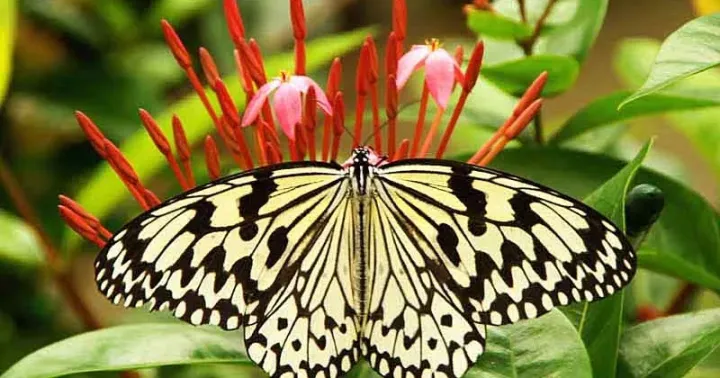
Description
How to identify
The genus Leuconoe belongs to the family Erebidae within the order Lepidoptera. These insects are closely related to the well-known Noctuidae family, sharing similar life habits and morphological traits.
The adult moths are generally nocturnal, displaying cryptic coloration that allows them to blend in with their environment during the day, making visual detection quite challenging.
Larvae, commonly known as caterpillars, are the primary stage causing damage. They possess a well-developed chewing mouthpart structure suited for rapid consumption of plant tissues.
The life cycle undergoes complete metamorphosis, including egg, larval, pupal, and adult stages. The duration of each phase is strictly dictated by local temperature and moisture levels.
Overwintering typically occurs in the pupal stage, buried within the soil layer, which makes tillage practices a critical factor in population control strategies.
What it damages
Leuconoe pests primarily infest herbaceous plants, feeding on foliage and succulent stems throughout the active vegetative growth phase of the crop.
Caterpillars cause extensive leaf damage, ranging from small pinholes to complete skeletonization, which significantly reduces the plant's photosynthetic potential.
When infestation levels are high, larvae may move to reproductive organs, damaging flowers and developing fruits, leading to direct economic yield losses.
Plant wounds caused by feeding activity often serve as entry points for secondary infections, including fungal and bacterial pathogens that further degrade crop health.
Plants under high pest pressure exhibit stunted growth, reduced vigor, and an overall decrease in resilience against environmental stresses.
Signs of infestation
A primary indicator of infestation is the presence of frass (caterpillar excrement) on leaves or the soil surface underneath the canopy of the affected plants.
Irregular, ragged holes in leaf blades are common, often appearing initially in the lower canopy before spreading to upper leaves as the larvae grow.
Early-morning inspection often reveals the larvae resting on the underside of leaves or hiding in leaf rolls, which is the best time for scouting operations.
Leaf chlorosis and localized wilting often signal feeding damage on stems or petioles, which disrupts nutrient flow within the plant organism.
Dense webbing or silk trails on the leaves may indicate the presence of younger larval stages that congregate before dispersing to other parts of the plant.
Control measures
Cultural control via deep plowing after harvest is highly effective, as it destroys pupae hibernating in the soil, significantly reducing the next generation's population.
Biological control using Bacillus thuringiensis sprays has proven successful in targeting early larval stages while preserving beneficial predator populations.
Chemical intervention with systemic or contact insecticides should be reserved for cases exceeding the economic injury level to prevent unnecessary ecological disruption.
Maintaining a weed-free field margin is essential, as many common weeds serve as alternative hosts and reservoirs for the pest population throughout the season.
Regular monitoring with pheromone traps provides critical data for timing applications, ensuring that control measures are implemented precisely when most effective.
Taxonomy
- Latin name
- Leuconoe
- Family
- Vespertilionidae
- EPPO code
- LEOESP
Discussion
No discussions yet — be the first.