
Western barbastelle
Barbastella
Description
How to identify
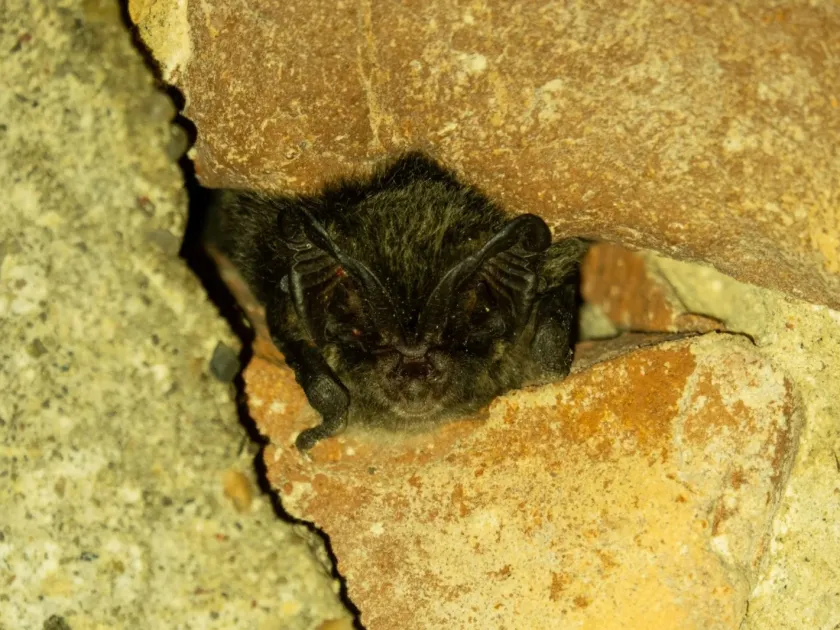
The Western barbastelle (Barbastella barbastellus) is a mammalian species belonging to the family Vespertilionidae. It is a strictly insectivorous bat, not a plant pest.
This bat is easily recognized by its dark, almost black fur and ears that are joined at the base above the forehead, giving it a distinctive appearance.
The body length ranges from 45 to 60 mm, with a wingspan of approximately 260–290 mm. It is a small but highly agile nocturnal predator.
They inhabit tree cavities, rock crevices, and occasionally human structures during the day, maintaining a hidden lifestyle away from human activity.
The species is protected in many countries due to habitat loss, as it plays a crucial role in maintaining local ecosystem health.
What it damages
The Western barbastelle does not cause any damage to plants, trees, or agricultural crops. It is not an herbivore and cannot feed on plant tissues.
Their diet consists entirely of aerial insects, particularly moths and other small nocturnal flyers found in forest and garden ecosystems.
As predators, they contribute to the regulation of insect populations that may otherwise become problematic for agriculture.
There are no recorded instances of this bat species damaging roots, stems, leaves, or fruits of any cultivated plants.
For an agronomist, the presence of these bats is a positive ecological indicator rather than a concern for crop health.
When it appears
Activity for the Western barbastelle begins in the spring when rising temperatures stimulate insect movement and the bats emerge from hibernation.
Throughout the summer, they remain active, focusing on foraging and rearing offspring to ensure the survival of the colony.
The autumn months are crucial for preparation, as the bats build up fat reserves necessary for surviving the upcoming winter months.
During winter, they enter a state of torpor (hibernation) in stable, cool environments, such as caves or deep cellar spaces.
Their life cycle is strictly linked to natural insect availability, confirming they have no interactions with agricultural cycles.
Signs of infestation
Because the Western barbastelle is not a pest, there are no signs of infestation or damage related to this species on crops.
The only sign of their presence is the detection of high-frequency ultrasonic pulses during their nightly foraging activities.
Droppings found in resting areas are the only byproduct of their activity and pose no threat to soil or plant health.
The absence of plant consumption marks or structural damage confirms that the species is entirely neutral toward crops.
Farmers can observe these bats as harmless neighbors that exist within the wider ecological landscape of the farm.
Control measures
No control measures are necessary for the Western barbastelle. They are beneficial animals that should be conserved, not eradicated.
The best practice is to preserve mature trees with cavities and reduce the use of broad-spectrum insecticides that harm non-target wildlife.
Implementing bat houses on large estates can help support local populations, which in turn helps naturally reduce insect pest pressure.
Conservation of the Western barbastelle aligns with modern sustainable and organic farming practices focused on biodiversity.
Supporting these animals is a proactive step toward creating a balanced and resilient agricultural ecosystem.
Taxonomy
- Latin name
- Barbastella
- Family
- Vespertilionidae
- EPPO code
- BBSTSP
Discussion
No discussions yet — be the first.