
Phrator
Phrator
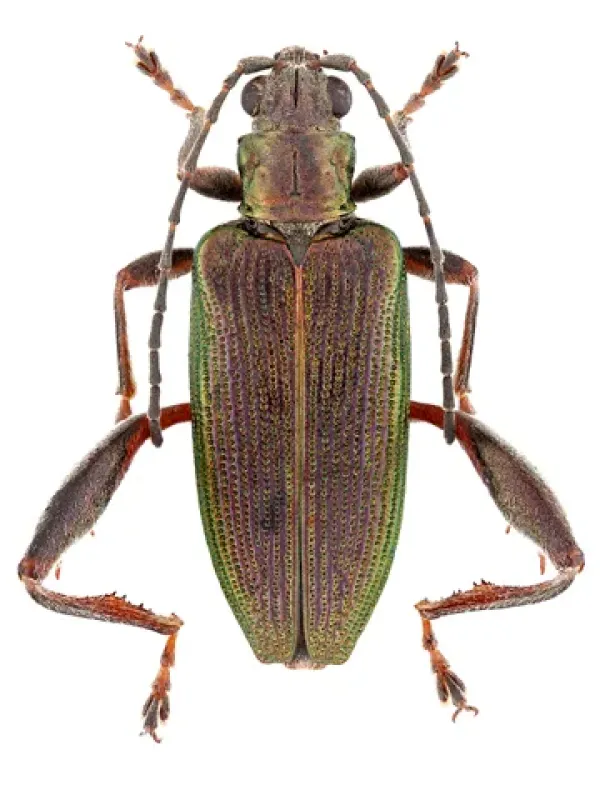
Description
How to identify
Phrator is a genus of insects belonging to the leaf beetle family (Chrysomelidae) within the order Coleoptera. These beetles are characterized by their robust, often convex body structure, which is typical for many members of this insect group.
Adult insects exhibit a specialized coloring that often provides camouflage against the foliage of their host plants. Their mouthparts are designed for chewing, allowing them to effectively consume plant tissues including leaves and tender stems.
The life cycle of the Phrator includes four distinct stages: egg, larva, pupa, and adult. This complete metamorphosis allows the pest to adapt to various environmental conditions throughout the growing season.
Larvae are typically worm-like and often reside on the underside of leaves or within secluded plant areas. Their development is closely tied to the physiological stage of the host plant, ensuring that food availability is maximized.
Identification of the Phrator in the field often requires a keen eye, as the insects can be small and tend to stay in less visible areas of the plant during the hottest hours of the day.
What it damages
The Phrator species are known to feed on various herbaceous and shrubby crops. They exhibit a high degree of host specificity, which can lead to significant economic damage in susceptible monoculture systems.
Both adults and larvae cause damage by feeding on leaves. The initial signs are often small punctures, which later progress to extensive leaf skeletonization as the insect population grows.
When the infestation is severe, the loss of leaf area significantly reduces the plant's photosynthetic capacity. This impairment limits the accumulation of carbohydrates necessary for proper fruit and seed development.
Furthermore, the physical damage to the plant tissue creates openings for various secondary pathogens, including bacteria and fungi, which can exacerbate the overall impact of the infestation on crop health.
Early-season infestation is particularly dangerous, as young plants may not possess sufficient reserves to recover from significant leaf loss, potentially leading to total crop failure in extreme cases.
When it appears
The appearance of Phrator in fields usually correlates with the onset of favorable temperatures for insect emergence from overwintering sites. This typically aligns with the early stages of crop development.
Peak activity often occurs during the active vegetative growth phase of the host crops. During this time, the beetles reproduce rapidly, with multiple generations possible depending on the regional climate.
Environmental factors such as moisture and ambient temperature significantly influence the rate of development. Prolonged warm periods often lead to a rapid increase in the number of larvae present on the plants.
As autumn approaches and temperatures drop, adults begin to seek refuge in sheltered areas. They overwinter in the soil, in leaf litter, or within protected corners of the field environment.
Monitoring should be conducted consistently throughout the growing season to detect migration patterns and to assess the density of the pest population before it reaches critical levels.
Signs of infestation
The primary symptom of a Phrator infestation is the presence of irregular holes in the leaves. These patterns often serve as an early warning for farmers to inspect their crops more closely.
Visual confirmation of adults resting on leaves or in leaf axils is a definitive sign. When disturbed, these beetles may drop to the ground or fold their legs to avoid detection.
The presence of egg clutches on the undersides of leaves is a critical indicator of future infestation waves. These clutches are usually clustered, making them a focal point for manual removal or targeted treatments.
Stunted growth or chlorosis (yellowing) in specific parts of the plant can indicate prolonged feeding pressure. If the foliage looks unhealthy or withered without a clear nutritional cause, insect presence should be investigated.
Accumulated waste products or frass on the leaves are also reliable indicators of active feeding by larvae, even if the insects themselves remain hidden from plain view.
Control measures
Agronomic management is the cornerstone of Phrator control. Deep plowing during the fall is an effective method to disturb overwintering sites and reduce the population for the following year.
Crop rotation is essential to break the life cycle of the beetle. By avoiding host plants in consecutive seasons, farmers can significantly lower the local pest pressure in the field.
Biological control agents, such as specific fungi or bacterial strains, offer an environmentally friendly alternative to traditional pesticides for managing Phrator larvae.
- Regular monitoring of crop fields for early detection.
- Use of registered insecticides when thresholds are exceeded.
- Effective weed control to remove alternative hosts for the pest.
- Encouraging natural predators and parasitoids in the field ecosystem.
- Applying systemic insecticides as part of an integrated pest management strategy.
Chemical control should be employed judiciously and only when necessary. To prevent the development of pesticide resistance, it is advised to rotate chemicals with different modes of action.
Taxonomy
- Latin name
- Phrator
- Order
- Coleoptera (beetles)
- Family
- Carabidae
- EPPO code
- PHROSP
Discussion
No discussions yet — be the first.