
Reed leopard moth
Phragmataecia saccharum
Description
How to identify
The Reed leopard moth (Phragmataecia saccharum) is a member of the Cossidae family, known for its larvae that bore into the stems of reed and cereal crops.
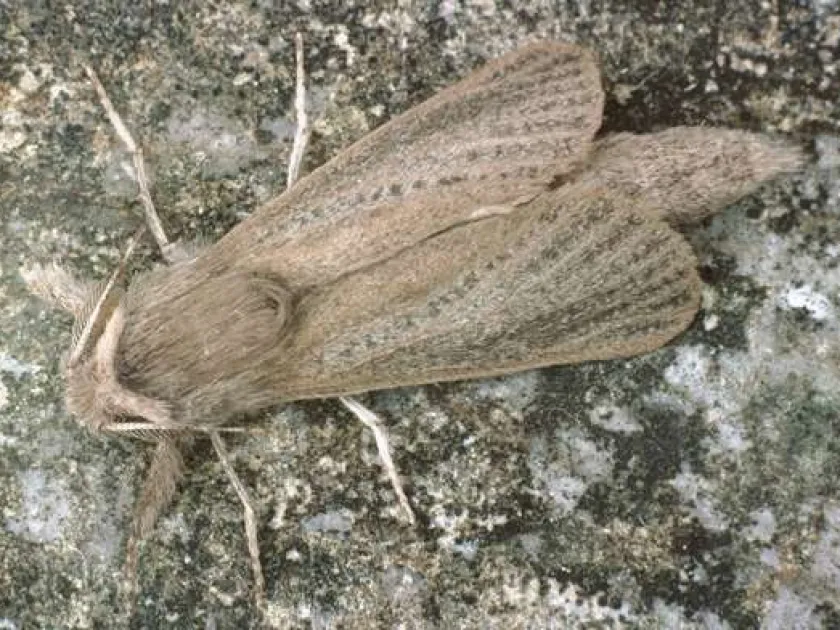
Adult moths are nocturnal and possess a distinct pattern on their wings, allowing them to blend into the natural environment of wetlands and field margins.
The larvae are typically whitish or pale pink with dark head capsules, specialized for spending their entire development inside the plant stems.
Lifecycle stages include eggs laid on plant surfaces, multiple larval instars, a pupal stage usually within the stem, and the emergence of adult moths.
Identification often relies on light traps in the evening, as this is when the adults are active and susceptible to monitoring.
What it damages
This species primarily targets reed plants, but it poses a significant threat to cultivated cereals and sugarcane when the agroecosystem is adjacent to their habitat.
Larval boring activity destroys internal stem tissues, disrupting nutrient translocation and leading to the weakening or death of the affected plant.
Crops infested with this borer show a marked reduction in yield and quality, as the compromised stalks cannot support grain development properly.
The entry and exit points created by the larvae serve as entry sites for pathogens, causing secondary infections that further stress the host plant.
Large-scale infestations can cause severe economic losses, particularly in areas with poor irrigation management and high weed density.
Signs of infestation
The presence of sawdust-like frass on the exterior of the stalks is a primary indicator that a larva is actively feeding inside the stem.
Plants often exhibit "dead heart" symptoms, where the central shoot withers and dies because the borer has severed the growing point.
Visible boreholes on the stems, sometimes covered by silken webs, are definitive signs of infestation that require immediate attention.
Stunted growth, yellowing foliage, and lodging of stems are common observations in heavily infested areas within the crop field.
Monitoring for adults during the flight period near water sources or field edges helps predict potential larval pressure on the main crop.
Control measures
Effective management requires sanitation, such as removing infested plant material and eliminating host weeds surrounding the field.
Strategic insecticide application must be timed carefully to target newly hatched larvae before they penetrate the stem and become protected.
Pheromone traps are essential for monitoring population peaks, helping farmers decide the optimal timing for protective interventions.
Integrated Pest Management (IPM) practices, including the release of beneficial insects or biological controls, can help suppress moth populations.
- Deep plowing to bury pupae after harvest.
- Maintaining field hygiene by clearing irrigation ditches.
- Using light or pheromone traps for surveillance.
Taxonomy
- Latin name
- Phragmataecia saccharum
- Order
- Lepidoptera (butterflies)
- Family
- Cossidae
- EPPO code
- PHRTSA
Discussion
No discussions yet — be the first.