
Phaulernis dentella
Phaulernis dentella
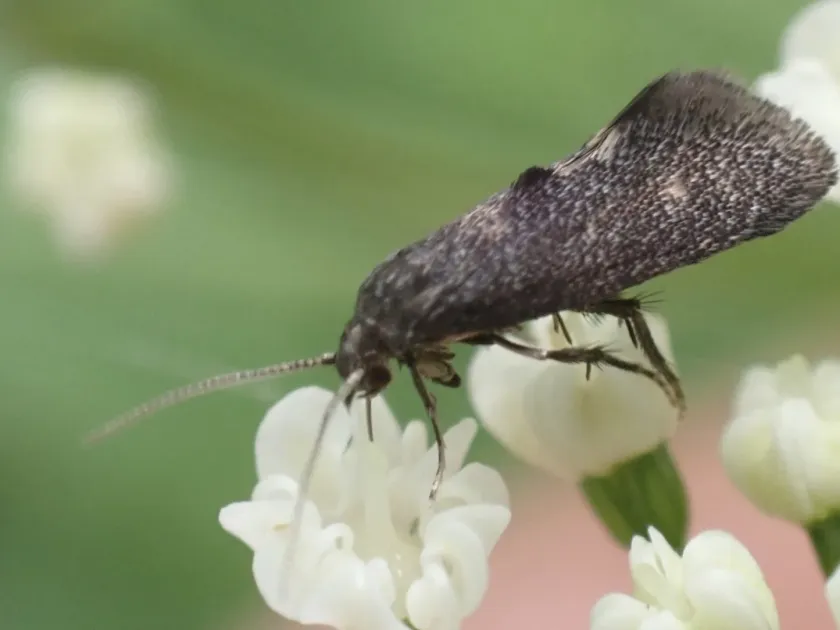
Description
How to identify
Phaulernis dentella is a small moth species belonging to the Epermeniidae family. These moths are recognized by their narrow, fringed wings, which are characteristic of this taxonomic group, making them somewhat distinct but difficult to identify for non-specialists.
The life cycle of this pest follows a complete metamorphosis: egg, larva (caterpillar), pupa, and adult (imago). The larvae are elusive and typically hide within plant tissues or protective silk webs, which makes early detection a significant challenge for growers.
Morphological identification of the species relies primarily on the analysis of wing venation and genital structures. In the field, experts often use host plant association as a primary diagnostic indicator for the presence of this insect.
The distribution of Phaulernis dentella is linked to the presence of both wild and cultivated Apiaceae (umbelliferous) plants. Its population dynamics are heavily influenced by local climate factors, specifically moisture levels during the reproductive season.
Adult moths are primarily crepuscular, meaning they are most active during twilight. During the day, they remain stationary in dense vegetation, which serves as a natural refuge from predators and extreme environmental conditions.
What it damages
The primary hosts of Phaulernis dentella larvae are plants from the Apiaceae (parsley/carrot) family. While they often inhabit wild species like goutweed, they can cause significant economic damage to cultivated umbelliferous crops.
The larvae specifically target the reproductive organs of the plants. They bore into flower buds and florets, destroying the developing seeds and leading to substantial yield losses in seed-production fields.
Infestation is accompanied by the formation of silken webs that bind flower heads together. These webs accumulate larval frass, creating a breeding ground for secondary pathogens, including molds, which further damage the host plant.
In addition to floral damage, caterpillars may feed on young foliage. By folding leaves with silk, they inhibit photosynthesis and cause structural deformation, which weakens the plant's overall vigor.
When infestation is severe, the total loss of the seed head is common. This makes Phaulernis dentella a critical concern for agricultural operations focused on high-quality seed production or floral crops.
When it appears
The flight period for adult moths typically begins in late spring and continues into early summer, depending on regional temperature patterns. This is the optimal window for monitoring potential infestation.
The damage by larvae is most concentrated during the plant's budding and flowering phases. As the crop enters these sensitive phenological stages, the risk of significant injury increases, requiring heightened vigilance.
The species overwinters as a pupa or an adult, often seeking shelter in plant debris or just beneath the surface of the soil. This dormancy strategy allows it to withstand harsh winter conditions and emerge successfully in spring.
In warmer climates, the insect may complete multiple generations within a single growing season. Late summer generations can cause secondary damage, extending the need for field monitoring through harvest.
Environmental factors, such as humidity and warmth, act as catalysts for the rapid development of larvae. Periods of high moisture during flowering often correlate with higher infestation rates.
Signs of infestation
The most reliable sign of an infestation is the presence of silk webbing within the flower umbels. If a plant’s flower heads appear tied together or deformed, it is likely that larvae are active inside.
Accumulation of fine, dark brown or black particulate matter (frass) at the base of the florets is a clear indicator of larval feeding activity occurring within the protected floral structures.
Premature shriveling and shedding of flower buds are strong indicators that the internal structures have been compromised. Once buds begin to fall, it suggests the infestation is well-established.
If you gently pull apart a suspected flower head, you may find the larvae themselves. Their movement when disturbed serves as definitive confirmation of the pest's presence on the crop.
Yellowing or necrosis of specific sections of the umbel, combined with irregular holes in the petals, confirms that the pest is actively consuming plant tissue and disrupting nutrient flow.
Control measures
Cultural control methods include deep plowing after harvest to disrupt the pupation sites in the soil, effectively killing the overwintering generation and reducing the initial pest pressure for the next season.
Sanitation is key; remove wild Apiaceae weeds from the field borders, as these act as reservoirs for the pest population to build up before migrating into the main crop.
Systemic insecticides may be used if economic thresholds are reached, targeting the early larval stages before they penetrate deep into the flower structures where they are shielded from contact sprays.
Biological control options, such as using Bacillus thuringiensis, offer a targeted approach to managing larval populations while preserving beneficial insect populations, such as pollinators.
Integrated Pest Management (IPM) practices, including the use of pheromone traps to monitor adult flight, allow for precisely timed interventions, which minimizes the need for blanket chemical applications.
Taxonomy
- Latin name
- Phaulernis dentella
- Order
- Lepidoptera (butterflies)
- Family
- Epermeniidae
- EPPO code
- PAULDE
Discussion
No discussions yet — be the first.