
Epermenia moth
Epermenia insecurella
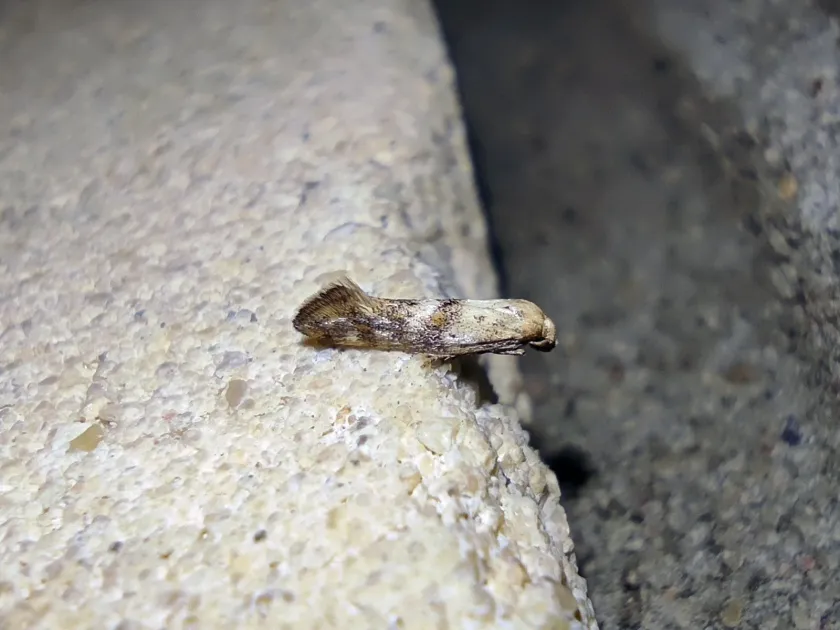
Description
How to identify
The Epermenia moth, scientifically known as Epermenia insecurella, belongs to the order Lepidoptera and the family Epermeniidae. Adults are small, delicate moths characterized by narrow, fringed wings that are common in this family.
The larvae, or caterpillars, have a cylindrical body shape and typically exhibit a pale green or yellowish coloration. This coloration serves as camouflage within the dense flower clusters of their host plants.
Pupation occurs in robust, silk-spun cocoons that the larvae construct on stems or beneath the bracts of host plants. These structures are often difficult to spot during a cursory field inspection.
The moth undergoes a complete metamorphosis, consisting of egg, larva, pupa, and adult stages. Each stage is strictly regulated by environmental factors such as ambient temperature and humidity.
Accurate identification of the species usually requires the examination of specific morphological features, including the genitalia of adult specimens, to distinguish it from related moths.
What it damages
The primary food sources for Epermenia insecurella larvae are plants belonging to the family Apiaceae (Umbelliferae). This family includes various vegetable and ornamental crops.
Larvae primarily attack the reproductive parts of the plant, specifically feeding on flower buds, blossoms, and developing seeds. This damage significantly impairs seed yield.
Feeding activity disrupts the plant's normal pollination cycle, often resulting in deformed seed heads or total crop loss in heavily infested areas of the field.
The physical damage caused by the larvae creates entry points for secondary fungal and bacterial pathogens, which can lead to rapid decay of the floral tissues.
In agricultural settings, particularly for seed production, this pest can lead to substantial economic losses, requiring rigorous monitoring and intervention programs.
When it appears
Adult moths typically emerge in the spring as temperatures rise, signaling the beginning of the active growing season for their host umbelliferous plants.
The flight and egg-laying period for the adults spans several weeks, ensuring that the offspring have sufficient food resources as the plants begin to bloom.
Larval activity peaks during the budding and flowering stages of the plant, as these stages provide the most nutritious and accessible food for the growing caterpillars.
The species typically overwinters in the pupal stage, seeking shelter in soil debris or within the remnants of host plants to survive the colder winter months.
The number of annual generations can fluctuate based on regional climate variations and the cumulative thermal units available throughout the growing season.
Signs of infestation
The most reliable sign of an infestation is the presence of fine webbing covering the flower heads, where larvae often congregate and leave their frass.
Close inspection reveals small holes in flower buds, which are indicative of larval penetration into the developing floral tissues.
Infested plants often display visible signs of necrosis or discoloration in the flower clusters, which indicates damage to the plant's vascular tissue.
Disturbed caterpillars may drop from the flower stalks using a silken thread, a defense mechanism that helps them escape predators during field observations.
During the flowering season, infected plants may show reduced attractiveness to pollinators, leading to lower fruit set compared to healthy, uninfested plants.
Control measures
Cultural control methods such as deep plowing after harvest are highly effective in destroying pupae that are overwintering in the soil and plant debris.
Implementing a strict crop rotation schedule helps reduce the local population density by moving host plants away from areas where the pest has established itself.
Chemical intervention should be strategically timed to coincide with the budding phase, targeting young larvae before they burrow deep into the flower structures.
Biological control through the use of natural parasitoids can help maintain pest populations at manageable levels in ecosystems with high biodiversity.
Sanitation practices, including the removal of wild Apiaceae weeds near crop fields, significantly reduce alternative food sources and reservoirs for the Epermenia moth.
Taxonomy
- Latin name
- Epermenia insecurella
- Order
- Lepidoptera (butterflies)
- Family
- Epermeniidae
- EPPO code
- EPRMIN
Discussion
No discussions yet — be the first.