
Epermenia falciformis
Epermenia falciformis
Description
How to identify
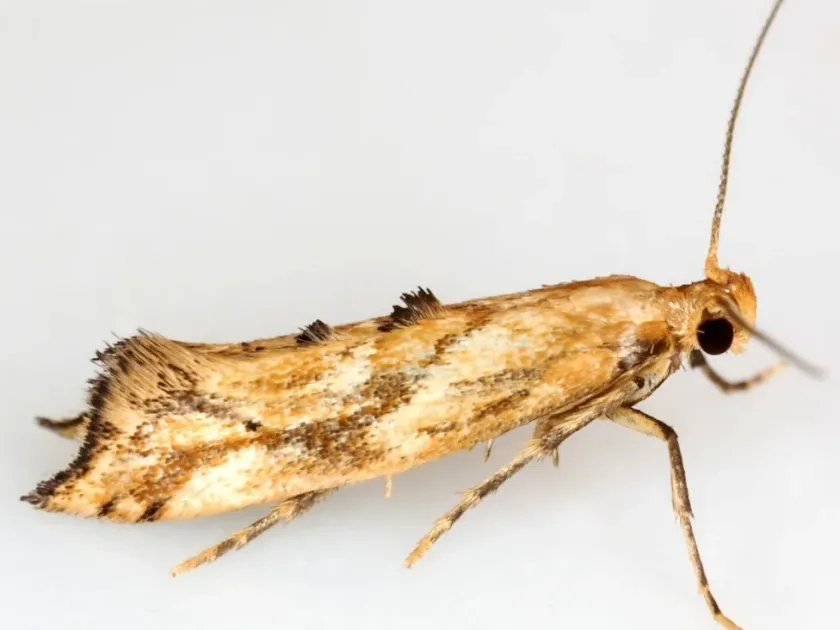
Epermenia falciformis is a small moth belonging to the Epermeniidae family. The adult insect has a wingspan of approximately 10–14 mm and is characterized by narrow, fringed wings, which often have brownish or greyish tones, providing camouflage on plant stems.
The larvae are small caterpillars, typically pale yellow or white, equipped with a distinct dark head capsule. They exhibit a sedentary lifestyle, focusing on feeding within the plant tissues, making them elusive during the early stages of an infestation on agricultural plots.
What it damages
This pest primarily attacks plants within the Apiaceae (Umbelliferae) family. Carrot, parsnip, and parsley are among the most susceptible crops. The larvae cause significant mechanical damage by mining the leaves and boring into the petioles and stems of the host plants.
The cumulative damage results in the disruption of nutrient transport within the plant. This leads to stunted growth, leaf chlorosis, and a drastic reduction in root quality. In seed production, larvae often feed on developing umbels, causing heavy losses in seed yield.
When it appears
The flight period for adults typically occurs from late spring through mid-summer. The life cycle is temperature-dependent, allowing for multiple generations in favorable conditions. Activity peaks during warm, stable weather, which coincides with the rapid growth stages of carrot crops.
Larval development is relatively quick, lasting several weeks before the pupation stage. Pupation usually occurs in silk cocoons attached to the plant or in the soil debris nearby. Understanding these temporal patterns is crucial for scheduling effective field monitoring.
Signs of infestation
The primary symptom of an infestation is the presence of pale, serpentine mines or blotches on the foliage. Affected leaves eventually wither and die, which can lead to premature senescence of the entire plant canopy if the infestation pressure is severe.
- Withered leaves and stunted growth.
- Presence of larval frass within mines.
- Webbing in the umbels (flower heads).
- Deformation of the central leaf rosette.
Advanced signs include the total collapse of stalks and a visible reduction in the plant's overall vigor. Scouting should be concentrated on the underside of leaves, where females lay eggs, and on the junction points between leaf stalks and the main stem.
Control measures
Integrated pest management is the most effective approach. Crop rotation is essential to prevent the buildup of pest populations in the soil. Maintaining a clean field environment by removing wild Apiaceae weeds serves as a vital preventive measure to reduce alternate host availability.
Chemical control should be implemented judiciously, focusing on the early stages of larval hatching. The use of biological insecticides or selective chemical agents helps preserve natural enemies. Always follow local agricultural safety protocols regarding pesticide application and pre-harvest intervals to ensure consumer safety.
Taxonomy
- Latin name
- Epermenia falciformis
- Order
- Lepidoptera (butterflies)
- Family
- Epermeniidae
- EPPO code
- EPRMFA
Discussion
No discussions yet — be the first.