
Phaulernis
Phaulernis
Description
How to identify
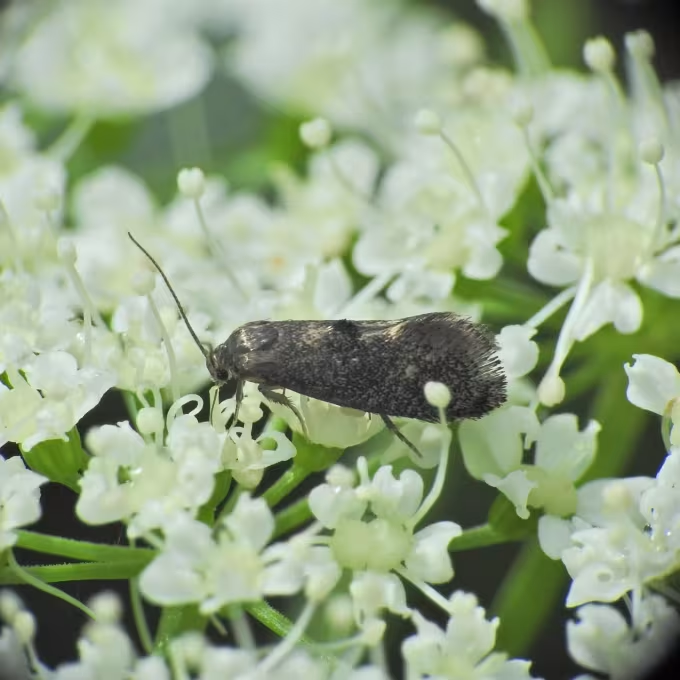
Phaulernis is a genus of small moths belonging to the family Epermeniidae. These insects are characterized by their narrow wings, often adorned with long, fringe-like scales, which is a distinctive trait of this lepidopteran family.
The adults are relatively inconspicuous, often blending into the environment, which makes them difficult to monitor. Accurate identification to the species level usually requires microscopic examination of genital structures due to the high morphological similarity among related species.
The life cycle follows a complete metamorphosis, consisting of egg, larva (caterpillar), pupa, and adult stages. The larval stage is responsible for the damage to plant tissues, possessing strong biting mouthparts.
As specialized phytophagous insects, they have evolved to feed on specific plant families, most notably the Apiaceae family. Their ecological niche is tightly linked to the flowering period of these plants.
While Phaulernis is not always a major pest, populations can spike under specific environmental conditions, potentially causing significant economic impact in seed production sectors.
What it damages
The primary hosts of Phaulernis include various members of the Apiaceae family. It is particularly troublesome in crops grown for seed, such as carrots, parsnips, and various medicinal herbs.
Larvae feed directly on the generative parts of the plant, including flower buds, developing flowers, and nascent seeds. This destruction leads to significant yield losses in seed crops.
Beyond destroying floral organs, larvae may bore into stems and peduncles, disrupting the transport of nutrients and water, which causes the stems to weaken or break.
The damage is most severe during the blooming stage, where larvae consume the nutrient-rich tissues of the umbels, preventing proper seed formation and reducing germination potential.
Infested plants become weakened and may succumb more easily to secondary fungal or bacterial infections due to the mechanical tissue damage caused by the feeding larvae.
When it appears
The life cycle of Phaulernis is synchronized with the phenology of its host plants. Adult activity generally peaks at the beginning of the bolting and flowering stages of the host crop.
Females deposit eggs on the floral stalks or buds, ensuring that newly hatched larvae have immediate access to their preferred food source, which is critical for their survival.
The larval stage usually lasts several weeks, followed by pupation. Pupae are often found in protective cocoons situated in debris or the upper layer of the soil near the host plants.
Winter is typically spent in the pupal stage, which serves as a dormant phase until the next growing season, allowing the pest to survive harsh winter conditions.
Effective monitoring should focus on the early floral development stage, using light traps or pheromone lures to detect the arrival of the moths before they begin egg-laying.
Signs of infestation
The presence of fine webbing within the umbels is often the first indicator of Phaulernis activity, as larvae use it to bind flower parts together for protection.
Frass (larval excrement) found within the flower clusters is a clear sign of infestation. Careful examination of the webs usually reveals the presence of the caterpillars themselves.
Visually, affected umbels may appear wilted or show premature browning. The tissues at the feeding sites often become necrotic, standing out against healthy plant material.
Structural damage, such as bent stems or stunted peduncles, can also serve as a diagnostic sign that the larvae have been boring into the plant tissues.
- Fine silken webbing on flower clusters.
- Presence of larval frass on the umbels.
- Premature yellowing, browning, or death of flowers.
- Deformed or stunted floral stalks.
Control measures
Management of Phaulernis relies on integrated pest management (IPM) practices. Cultural control, such as deep plowing after harvest, is effective in destroying overwintering pupae in the soil.
Removing wild Apiaceae weeds from the field borders is crucial, as these plants often serve as reservoirs for the pest when the main crop is not present.
Biological control options, including formulations based on Bacillus thuringiensis, can be used to manage larval populations effectively while minimizing harm to beneficial insects.
Chemical control should be applied only when infestation levels exceed economic thresholds. Systemic insecticides are generally the most effective against larvae that feed within protected plant parts.
Consistent monitoring and precise timing of interventions allow for reduced chemical usage, promoting a more sustainable and environmentally friendly approach to crop protection.
Taxonomy
- Latin name
- Phaulernis
- Order
- Lepidoptera (butterflies)
- Family
- Epermeniidae
- EPPO code
- PAULSP
Discussion
No discussions yet — be the first.