
Epermenia aequidentella
Epermenia aequidentella
Description
How to identify
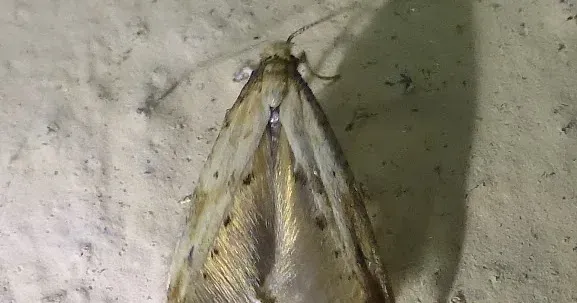
Epermenia aequidentella is a small moth belonging to the family Epermeniidae, often recognized by its narrow, fringed wings and characteristic resting posture.
The adult moth typically features a brownish-grey or ochre-colored body, which allows it to camouflage effectively against plant stems and debris.
Larvae of this species are spindle-shaped and exhibit a color spectrum ranging from pale yellow to green, depending on their developmental stage.
The family Epermeniidae can be taxonomically distinguished by the presence of prominent rows of spines on the hind tibiae.
These moths are primarily associated with the family Apiaceae, making them common inhabitants of meadows and cultivated fields containing carrots, parsley, or dill.
What it damages
The primary damage is caused by the larvae, which feed on the generative organs of Apiaceae plants, specifically the flowers and developing seeds.
They spin silken webs to bind individual florets within an umbel together, creating protected galleries where they feed undisturbed.
Severe infestations can lead to the destruction of the entire flower head, significantly reducing seed yield and overall plant vigor.
Larvae may also tunnel into the flower stalks, causing the umbel to wither and die prematurely before seed maturation.
This pest is particularly troublesome in seed-production fields where high quality and uniform seed sets are essential for commercial value.
When it appears
Adult moths are generally active during the summer months, with flight activity peaking in June and July during the blooming season of their host plants.
The insect completes its life cycle in several stages: egg, larva, pupa, and adult, with development duration sensitive to ambient temperature.
Overwintering occurs as a mature larva or pupa within a tough, spindle-shaped cocoon hidden in leaf litter or soil crevices.
The second generation usually appears later in the summer, potentially coinciding with the harvest of certain early-maturing vegetable varieties.
Favorable conditions for population growth include warm and relatively dry weather, which accelerates larval metabolism and growth.
Signs of infestation
The most visible sign of an infestation is the presence of silk webbing within the umbels, which pulls the flowers into unnatural, tight clusters.
Affected flower heads may show discoloration, turning brown or yellow as the larvae consume the internal tissues and seeds.
Fine granular frass (insect excrement) accumulated on the webbed flowers is a clear indication of active larval feeding.
Upon closer inspection, small entrance holes or tunnels in the flower stalks confirm the presence of the pest within the plant tissues.
Withered or deformed umbels that fail to set seeds properly are significant indicators of a heavy pest population in the field.
Control measures
Deep plowing following the harvest is a key mechanical measure to disturb and bury the overwintering pupae and larvae.
Sanitation practices, such as clearing weeds from field margins, are essential to remove alternative hosts that harbor the population.
Chemical control may be necessary during the late bud or early flowering stage, using products labeled for use on specific Apiaceae crops.
Biological control using microbial insecticides, such as formulations of Bacillus thuringiensis, is effective and environmentally safe for controlling larvae.
Regular crop scouting and the use of pheromone traps can help detect the arrival of the moths, allowing for timely and targeted intervention.
Taxonomy
- Latin name
- Epermenia aequidentella
- Order
- Lepidoptera (butterflies)
- Family
- Epermeniidae
- EPPO code
- EPRMAE
Discussion
No discussions yet — be the first.