
Phasmarhabditis hermaphrodita
Phasmarhabditis hermaphrodita
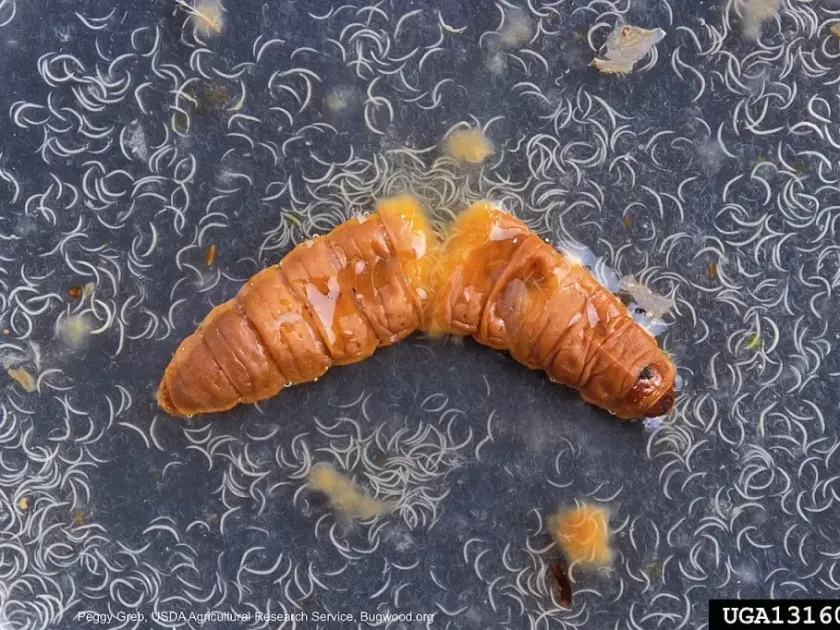
Description
How to identify
Phasmarhabditis hermaphrodita is a microscopic soil-dwelling nematode that acts as a specialized parasite of gastropod mollusks, specifically slugs and snails. It is a naturally occurring agent that provides efficient biological regulation of these common garden pests.
Adult nematodes live in the soil, actively searching for hosts by sensing chemical cues emitted by slugs. They are highly specialized for finding their targets in moist soil environments, making them effective hunters for subterranean and surface pests.
Taxonomically, this species belongs to the order Rhabditida and the family Rhabditidae. Its life cycle relies on a symbiotic relationship with bacteria that are released into the host to facilitate digestion and counteract the slug's immune responses.
These nematodes are completely safe for plants, humans, and domestic pets. They are an environmentally friendly alternative to chemical molluscicides, playing a crucial role in modern sustainable agriculture and home gardening.
While the nematodes themselves are too small to be seen with the naked eye, their impact is clearly visible through the significant decline in the slug population and the lack of typical feeding damage on crops.
What it damages
This organism does not cause damage to plants; on the contrary, it serves as a powerful biological control agent. By infecting and killing slugs and snails, it protects various vegetables, berries, and ornamental plants that would otherwise be decimated by these pests.
The infection process occurs when the nematode enters the slug's mantle cavity through its respiratory pore. Once inside, it releases symbiotic bacteria, which cause a systemic infection that leads to the death of the host within a few days.
The economic impact is significant as it reduces the need for toxic chemicals, helping to maintain soil health and promote biodiversity. It is an essential component of integrated pest management (IPM) strategies for both professional farms and home gardens.
Infected slugs stop feeding almost immediately, which provides rapid protection for tender seedlings and leaf tissue. The dead bodies of the slugs eventually decompose in the soil, providing nutrients and serving as a breeding ground for future generations of nematodes.
This biological solution is highly effective, even in high-pressure scenarios, provided that the application conditions—specifically soil moisture—are properly managed.
When it appears
The activity of Phasmarhabditis hermaphrodita is strongly tied to temperature and soil moisture levels. The nematodes are most active when the soil is warm enough for metabolism but not excessively hot, typically between 5 and 20 degrees Celsius.
Spring is the ideal time to apply these nematodes, as slugs emerge from hibernation and begin to feed actively on crops. Early application prevents the pest population from reaching uncontrollable levels throughout the growing season.
In hot and dry summer months, nematode activity can be limited as they require a moist environment to move through the soil pores. Ensuring adequate irrigation after application is critical to maintaining their efficacy during dry spells.
Autumn treatments are also recommended to target the next generation of slugs as they prepare for winter. Reducing the population at the end of the season decreases the number of pests that will be present in the garden the following year.
Because of their short generation time, these nematodes can establish a persistent population in the soil if conditions remain favorable, offering long-term protection for your garden plants.
Signs of infestation
The main indicator of successful nematode application is a noticeable decline in slug activity. If your plants are suddenly free from bite marks and missing foliage, the treatment is likely working as intended.
A search beneath garden debris or mulch may reveal the presence of deceased, slightly swollen slugs. These are clear signs that the nematodes have successfully infected the host population in the area.
- Significant reduction in slug sightings at night
- Fewer slime trails on paving and plant leaves
- Lack of fresh leaf damage on susceptible vegetables
- Presence of dead slugs in the soil or under surface cover
- Improved plant growth due to lack of grazing pressure
These signs provide evidence that the biological control agent is established and effectively limiting the damage to your crops, allowing for healthier growth without the need for synthetic pesticides.
Consistency is key, as the nematodes need time to circulate through the soil profile and encounter the slugs in their hidden daytime resting spots.
Control measures
Control is achieved through the application of biological preparations containing the infective juvenile stage of the nematodes. These are typically mixed with water and applied to the soil using a watering can or a spray system.
Pre-application preparation of the soil is essential, including weeding and ensuring the ground is damp. The nematodes depend on moisture to navigate through the soil, so applying them to dry, crusted ground will significantly reduce success rates.
Avoid using chemical fertilizers or pesticides simultaneously with nematode applications, as these may kill the nematodes. Always follow the manufacturer's guidelines regarding interval periods for different treatments.
Proper storage of the biological agent is crucial, as they are live organisms. Keeping the product cool and ensuring it is used before the expiration date will guarantee the highest possible success rate in the field.
Integrated management, combining nematode application with mulching and regular monitoring, ensures that slug populations are kept at an economically acceptable level throughout the entire season.
Taxonomy
- Latin name
- Phasmarhabditis hermaphrodita
- Order
- Nematodes
- Family
- Rhabditidae
- EPPO code
- PHSMHE
Discussion
No discussions yet — be the first.