
Phasmarhabditis californica
Phasmarhabditis californica
Description
How to identify
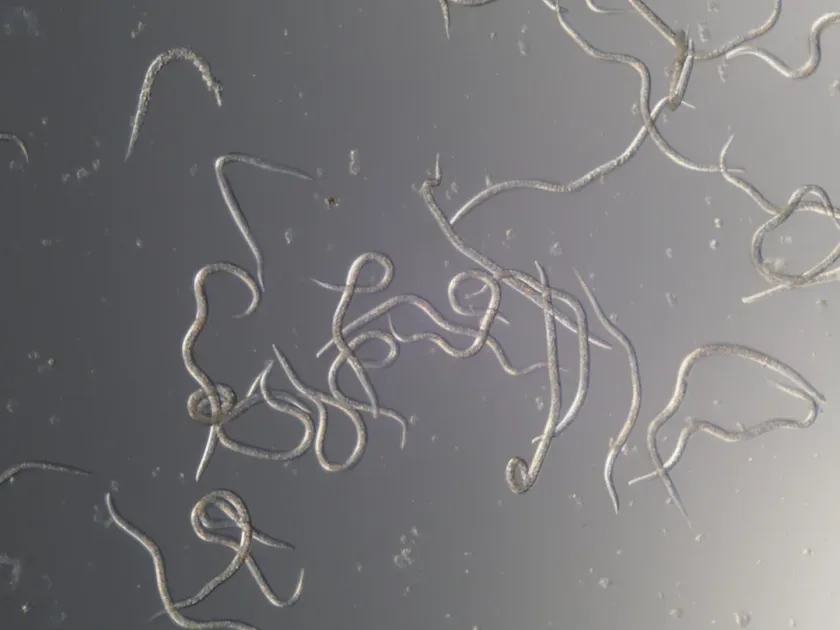
Phasmarhabditis californica is a species of soil-dwelling rhabditid nematode that has gained significant attention in agricultural science as a natural parasite of gastropods.
These organisms belong to the family Rhabditidae and exhibit a complex life cycle, adapting between saprophytic feeding in soil and parasitism when a suitable host is detected.
Microscopic identification is required to distinguish this species from other soil nematodes, typically involving analysis of the stoma structure and life-stage morphology.
They possess highly developed sensory organs that allow them to detect volatile chemicals emitted by slugs and snails, facilitating efficient host-seeking behavior.
The infective juvenile stage, often referred to as the dauer stage, is remarkably resilient and can persist in the soil environment for extended periods until a host is found.
What it damages
The nematode acts as a highly effective biological control agent against various species of slugs and snails that are considered significant agricultural pests.
By infecting and killing the gastropod hosts, Phasmarhabditis californica indirectly protects a wide variety of crops, including leafy greens, vegetables, and ornamental flowers.
Unlike traditional pests that feed on plant tissue, this nematode provides a benefit to growers by reducing the population of damaging molluscs in the field or greenhouse.
The damage caused to the host leads to death within a few days, thereby stopping the consumption of plant leaves and stems by the gastropod population.
This biological control method is particularly valuable in organic farming, where chemical molluscicides are restricted or undesirable due to environmental concerns.
When it appears
The activity of Phasmarhabditis californica is strictly dependent on soil moisture and temperature, as these factors determine the mobility of the nematodes.
The peak period for infection usually occurs during moist, temperate conditions, typically in spring and autumn, when gastropod activity is also at its highest.
During hot, dry summers or freezing winter months, the nematodes enter a state of dormancy, surviving in the soil until favorable conditions return.
In controlled greenhouse environments, their life cycle can be maintained continuously, provided that the soil moisture levels are kept high and host availability remains stable.
Optimal temperatures for their life cycle and infection process range between 15°C and 22°C, aligning with the primary growth phases of most garden crops.
Control measures
Strategies to utilize Phasmarhabditis californica involve the application of nematode suspensions to the soil in areas where slug damage has been identified.
Success depends on applying the biological solution during evening hours or under overcast conditions to protect the nematodes from the lethal effects of UV radiation.
Soil irrigation is critical immediately before and after application to ensure that the nematodes can move freely through the soil pores toward their target hosts.
Integrating these nematodes with other cultural practices, such as clearing debris where slugs hide, enhances the overall effectiveness of the pest management program.
- Ensure soil moisture is maintained following application.
- Avoid mixing with harsh chemical pesticides that could harm the nematodes.
- Target areas with high moisture and high organic matter content.
Taxonomy
- Latin name
- Phasmarhabditis californica
- Order
- Nematodes
- Family
- Rhabditidae
- EPPO code
- PHSMCA
Discussion
No discussions yet — be the first.