
Diploscapter
Diploscapter
Description
How to identify
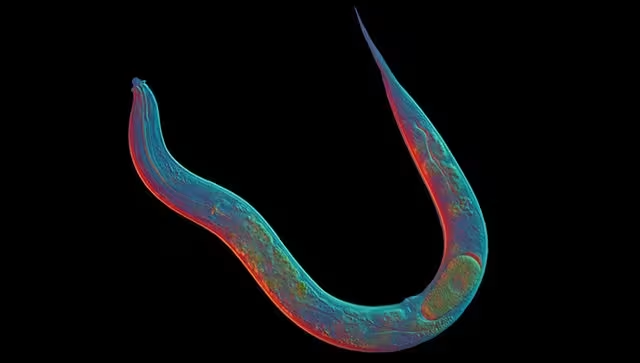
Diploscapter is a genus of soil-dwelling nematodes belonging to the order Rhabditida and the family Rhabditidae. These microscopic worms possess a specialized stoma structure adapted for feeding in soil environments.
The primary diagnostic feature is the presence of specific tooth-like structures within the stoma, allowing the organism to interact with bacterial colonies or plant tissues depending on the species.
Unlike many obligate parasites, members of this genus often lead a saprobiotic or facultatively parasitic lifestyle, which complicates precise diagnostic field observation without laboratory analysis.
The nematode body is typically less than 1 mm in length, transparent, and spindle-shaped, designed for active movement within the thin film of soil moisture surrounding root systems.
Identification is challenging because these organisms are morphologically similar to other free-living nematodes, requiring molecular methods or detailed microscopy for accurate species confirmation.
What it damages
This pest affects a wide range of crops, including vegetables, small fruits, and ornamental plants, particularly in environments with disturbed soil microbiology.
The nematodes can damage root systems by infiltrating tissues through micro-cracks or areas previously damaged by other soil-borne insects or pathogens.
In greenhouse complexes, Diploscapter can multiply rapidly within artificial substrates, leading to stunted seedling growth and reduced marketable yield quality.
By feeding on root tissues, these nematodes facilitate the entry of secondary infections, such as fungal and bacterial rots, which often cause the most significant economic loss.
Infestations are most severe in conditions of high soil moisture and in growing media with high organic matter content, which provides a rich nutrient base for nematode development.
When it appears
Nematode activity is strictly linked to soil temperature and moisture levels. The most favorable period for reproduction occurs during spring and early autumn with temperatures between 15°C and 25°C.
In greenhouses, the nematode life cycle is continuous, meaning the threat to crops persists throughout the year, regardless of seasonal changes outside.
Reproduction rates increase significantly under conditions of excessive soil moisture, as aquatic environments facilitate the rapid spread of individuals toward host roots.
The phase of active root development is the most critical period, as young tissues are highly susceptible to penetration by these plant-parasitic organisms.
While activity slows during drought, these nematodes can survive unfavorable conditions in a dormant state or as resilient cysts deep within the soil profile.
Signs of infestation
The primary sign of infestation is general plant stuntedness without apparent cause. Leaves may show chlorotic discoloration and loss of turgor despite adequate irrigation.
Root systems often appear underdeveloped with visible necrosis of the root tips, which indicates a severe disruption in the plant's ability to absorb water and nutrients.
Visual inspection may not always reveal the characteristic galls found with other nematode species, which often leads to misdiagnosis by growers.
A decline in overall crop yield and delayed maturation of fruits are frequently observed, which are often wrongly attributed to nutrient deficiencies or poor irrigation management.
Laboratory soil analysis shows a dramatic increase in nematode populations, confirming the necessity of immediate substrate disinfection and population management.
Control measures
The cornerstone of management is strict crop rotation and the use of certified pathogen-free planting material to prevent initial introduction.
Thermal disinfection of potting mixes or greenhouse steam sterilization before the start of each production cycle is highly effective in eliminating populations.
Biological control using fungi-based antagonists or predatory bacteria can help suppress populations naturally without the need for synthetic chemical inputs.
Effective water management and soil aeration are crucial, as stagnant water and poor drainage create the perfect environment for nematode reproduction.
Chemical control involving nematocides is an option, but application must be strictly regulated and carried out according to label instructions to avoid long-term toxicity concerns.
Taxonomy
- Latin name
- Diploscapter
- Order
- Nematodes
- Family
- Rhabditidae
- EPPO code
- DPLSSP
Discussion
No discussions yet — be the first.