
Caenorhabditis
Caenorhabditis
Description
How to identify
The genus Caenorhabditis belongs to the phylum Nematoda, class Chromadorea, order Rhabditida, and family Rhabditidae. In an agricultural context, these organisms are often classified as saprophytic or opportunistic parasites.
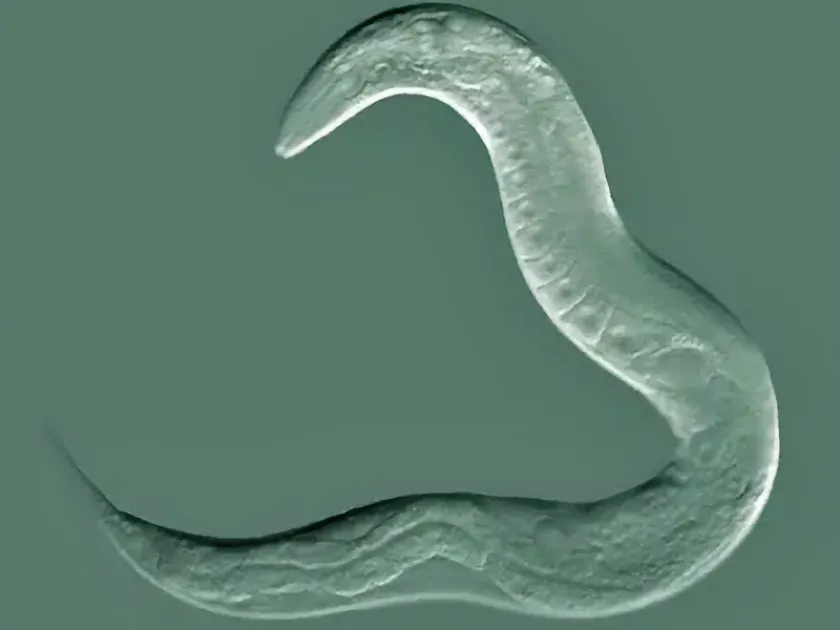
These nematodes are microscopic worms, typically measuring around 1 mm in length. Their transparent bodies make them extremely difficult to detect in soil samples without specialized laboratory equipment.
While Caenorhabditis species are well-known model organisms in genetic research, their presence in agricultural fields is often indicative of high levels of decaying organic matter within the soil.
They possess an extremely high reproductive rate, allowing them to rapidly colonize organic substrates. Identification requires microscopic analysis of the nematode's oral cavity and reproductive structures.
Due to their morphological similarity to other soil nematodes, precise identification often requires molecular biological methods to distinguish them from strictly beneficial or highly pathogenic species.
What it damages
Caenorhabditis nematodes are primarily associated with rotting plant tissues. They rarely target healthy, intact plants, but rather flourish as secondary invaders in tissues already compromised by bacteria or fungi.
Crops at higher risk include vegetables with succulent tissues such as potatoes, onions, carrots, and various leafy greens. They are especially problematic when produce is stored in suboptimal conditions.
The damage caused is primarily the acceleration of rotting processes. By feeding on the microbial colonies within decaying tissues, they exacerbate the destruction of plant structures and facilitate further pathogen spread.
In cases of high population density in the rhizosphere, these nematodes can contribute to a decline in plant vigor, leading to nutrient uptake problems and reduced yield quality.
Under greenhouse conditions or storage facilities, they can turn harvestable produce into unmarketable debris if humidity levels are not strictly managed.
When it appears
Peak activity and population growth of Caenorhabditis occur during periods of high soil moisture and moderate temperatures, typically during early spring or autumn.
In controlled environment agriculture or greenhouses, these nematodes can remain active throughout the year as long as there is sufficient moisture and decaying organic material to support them.
Their life cycle is highly dependent on the presence of a water film surrounding soil particles. During periods of drought, they enter a state of dormancy or diapause to survive until conditions improve.
Temperature fluctuations are generally tolerated well by these organisms, allowing them to migrate into deeper, more stable soil strata during extreme weather events.
Mass reproduction outbreaks often coincide with the application of poorly composted manure, which serves as an ideal nutritional base for their population explosion.
Signs of infestation
Symptoms of infestation often appear as softened or rotting areas on plant parts in contact with the soil. These spots often emit a strong, unpleasant odor due to secondary bacterial decomposition.
Plants affected by significant nematode populations may show signs of stunting, leaf chlorosis, and general weakness due to the disruption of root function.
- Focal wilting that does not recover with standard irrigation.
- Soft rot developing on tubers, bulbs, or root crops.
- Rapid spread of decay in harvested produce storage.
- Detection of microscopic worms in soil water extracts.
- Deformation or necrosis of root tissue in seedlings.
Infestation spots are frequently localized in areas of poor drainage or accumulation of surface organic debris, which creates a favorable environment for the nematodes.
It is important to differentiate between primary nematode damage and secondary infestation, as these organisms usually thrive where other diseases have already established a foothold.
Control measures
The primary control strategy is maintaining high standards of agricultural hygiene. Avoiding the application of raw, non-decomposed manure is essential to prevent population explosions.
Implementing proper crop rotation and integrating bio-fumigant crops, such as mustard, can help improve soil health and create an environment less favorable for these nematodes.
Improving soil drainage is a critical measure, as Caenorhabditis nematodes require high moisture levels to thrive, move, and reproduce effectively within the soil matrix.
In greenhouses, regular sterilization of substrates or complete soil replacement may be necessary if a severe infestation threatens the entire crop cycle.
Chemical intervention should be restricted to cases of extreme need, as many nematode species are vital components of the soil ecosystem. Management should prioritize plant immune health and environmental modification.
Taxonomy
- Latin name
- Caenorhabditis
- Order
- Nematodes
- Family
- Rhabditidae
- EPPO code
- CAEOSP
Discussion
No discussions yet — be the first.