
Perileptus
Perileptus
Description
How to identify
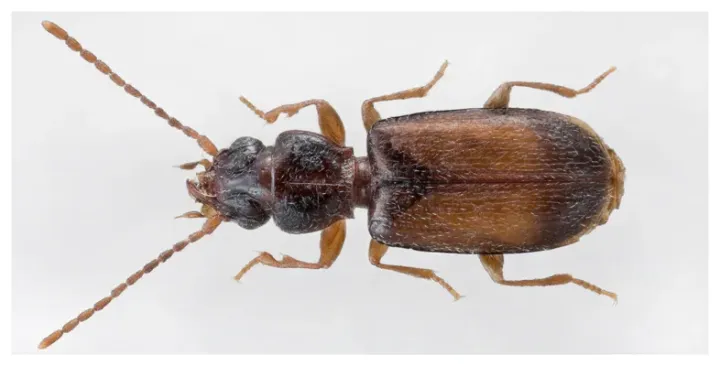
Perileptus is a genus of ground beetles (Carabidae) within the order Coleoptera. These are small, agile predatory beetles that primarily inhabit moist soil environments and riparian areas.
Morphologically, these beetles are characterized by a slender body, typical for many small carabids, along with robust mandibles and well-developed legs designed for rapid movement across the ground.
The coloration is generally dark brown to black, providing excellent camouflage against damp soil surfaces and organic debris, where they spend most of their time.
Their biology is closely tied to humid zones, and they are most active during the night or twilight hours, seeking shelter during the heat of the day.
While often acting as beneficial predators of other small invertebrates, their presence in high numbers in agricultural settings requires observation by agronomists.
What it damages
Perileptus is not typically categorized as a primary agricultural pest; however, they can cause secondary damage in specific environmental conditions.
In waterlogged soils, dense populations of these beetles can disrupt the root zone of young seedlings by displacing soil particles and creating small tunnels around the roots.
Direct damage to crops is rare, but their competitive presence can stress young plants during their critical early growth stages, leading to developmental delays.
Crops grown in low-lying, poorly drained areas are at the highest risk, as these environments mimic the beetle's natural humid habitat.
The harm is usually indirect, stemming from the alteration of the rhizosphere environment which can impact nutrient uptake and seedling vigor.
When it appears
Activity begins in the spring as soil temperatures rise, facilitating the emergence of adult beetles from their overwintering sites.
Adults typically overwinter in the upper soil layers or beneath dense vegetation and crop residues that offer protection from freezing temperatures.
Summer months, particularly those with frequent rainfall or heavy irrigation, see peak population activity and reproduction as humidity levels remain high.
As autumn approaches and temperatures drop, the beetles gradually reduce their metabolic activity and move toward overwintering spots.
The duration of their life cycle stages is significantly influenced by moisture levels in the field, with consistent humidity accelerating their development.
Signs of infestation
Detection involves inspecting the rhizosphere area, especially in parts of the field that retain moisture for extended periods after rain or irrigation.
The presence of fine tunnels on the soil surface is a key indicator of activity, often visible during morning inspections when the beetles are most active.
Seedlings may exhibit signs of wilting or stunted growth without obvious pathogen symptoms, which can sometimes be attributed to high beetle activity in the root zone.
Using pitfall traps is the most reliable method for identifying the presence and population density of these beetles within an agricultural plot.
One should also look for high densities of other soil invertebrates, as the presence of prey often correlates with the presence of Perileptus.
Control measures
Control strategies for Perileptus focus on managing soil moisture and implementing cultural practices to discourage their colonization of crop fields.
- Improving field drainage to prevent waterlogging and reduce soil humidity.
- Performing deep autumn tillage to disrupt wintering sites and expose beetles to predators.
- Managing irrigation systems to ensure soil moisture is sufficient for the plant but not excessive for the soil surface.
- Regular cultivation and weed control to eliminate shelters used by the beetles during the day.
- Maintaining robust crop vigor through high-quality seeds to ensure fast seedling establishment.
Taxonomy
- Latin name
- Perileptus
- Order
- Coleoptera (beetles)
- Family
- Carabidae
- EPPO code
- PRLPSP
Discussion
No discussions yet — be the first.