
Perigona
Perigona
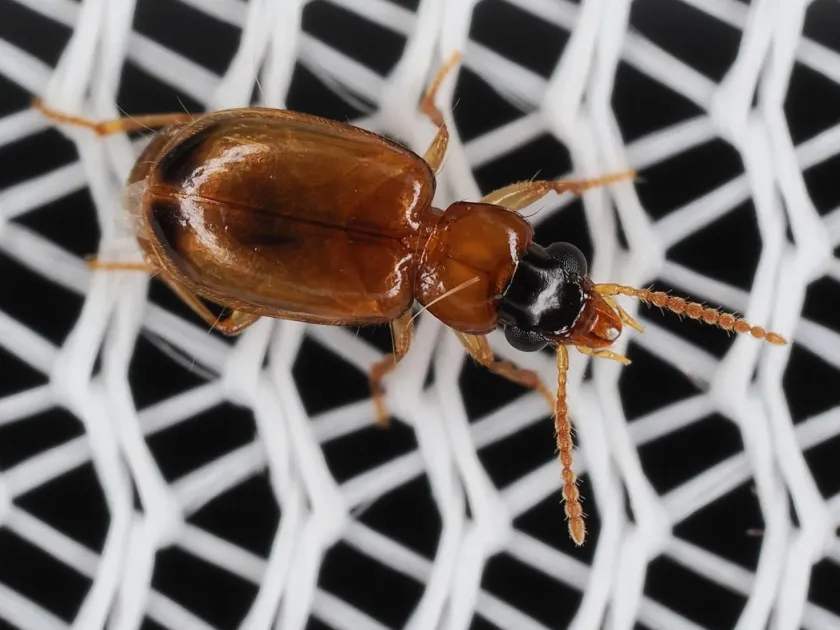
Description
How to identify
The genus Perigona is part of the ground beetle family (Carabidae), characterized by small body size and specialized ecological niches within agricultural landscapes.
Adult beetles are typically dark-colored and possess the physical adaptations common to the Carabidae family, including distinct antennae and efficient walking legs.
Identification of specific species within this genus requires a magnifying lens or microscope to observe details of the pronotum, head structure, and wing venation.
These insects are largely nocturnal or crepuscular, often hiding beneath soil clods, debris, or dense vegetation during the daylight hours to avoid heat.
The larval stage is subterranean, making identification in the field difficult without specific soil sampling techniques during the early growing season.
What it damages
While often considered beneficial due to their predatory nature, certain species of Perigona can shift their diet to plant tissues when prey populations are scarce.
The primary damage occurs in the form of stem boring or root tissue consumption, particularly in young, tender seedlings that lack established root systems.
Such injuries often lead to the wilting and subsequent death of the young plant, resulting in significant stand loss across the affected crop field.
Seedlings are most susceptible during the emergence phase, where feeding damage at the hypocotyl level can be fatal to the young organism.
Accumulated damage from high populations can force farmers to engage in replanting, which drastically increases input costs and lowers the overall yield potential.
When it appears
The life cycle and peak activity periods of these beetles are closely linked to seasonal temperature increases in the spring, which trigger adult emergence.
Populations tend to reach their highest density during humid months when the soil moisture profile provides a perfect environment for larval development.
The duration of the life cycle varies depending on regional climatic factors, with warmer conditions generally shortening the time between generations.
As winter approaches, the insects seek shelter in deeper soil layers or within stable organic matter to ensure survival through the cold season.
Monitoring for the presence of these beetles should be prioritized during the early vegetative stages of crop development, when plants are at their most vulnerable.
Signs of infestation
The most visible sign of infestation is the unexpected wilting of patches of young crops despite adequate soil moisture levels.
Closer inspection of the base of the stems will often reveal clear feeding marks or even the presence of the small beetle larvae within the soil.
Uneven crop establishment, characterized by gaps in the rows, often indicates that seeds or emerging shoots have been attacked by soil-dwelling pests.
The presence of small, burrow-like holes on the soil surface can serve as an indicator of pest activity during moist, cool weather conditions.
Scouting protocols should involve careful digging around affected plants to distinguish between potential pathogenic diseases and pest-related injury.
Control measures
Effective management begins with robust agronomic practices, such as proper crop rotation, which breaks the pest's cycle of emergence and feeding.
Tillage practices, particularly fall plowing, can significantly reduce the overwintering population by exposing larvae and pupae to surface predators and cold.
The application of insecticidal seed treatments provides a necessary layer of protection for the crop during the most vulnerable early growth stage.
- Maintaining field hygiene by removing crop residues that provide refuge for pests.
- Monitoring pest populations using pitfall traps to determine the timing of interventions.
- Encouraging natural predator populations to help keep pest numbers below the economic threshold.
If chemical intervention is deemed necessary, it should be done using products with low residual impact to protect the overall ecosystem of the field.
Taxonomy
- Latin name
- Perigona
- Order
- Coleoptera (beetles)
- Family
- Carabidae
- EPPO code
- PRGNSP
Discussion
No discussions yet — be the first.