
Mango caterpillar
Penicillaria jocosatrix
Description
How to identify
The mango caterpillar, Penicillaria jocosatrix, is a moth species belonging to the Euteliidae family. It is recognized as a primary pest of mango trees in many tropical regions worldwide.
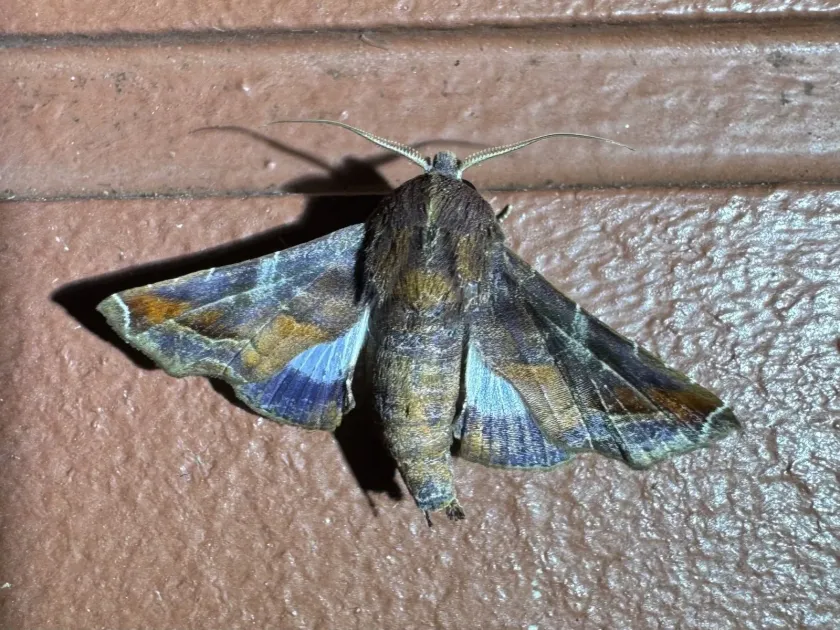
The adult moth typically has a wingspan of 30–40 mm. Its forewings are mottled with shades of brown and grey, providing excellent camouflage against tree bark during the daylight hours.
The larvae progress through several instars. Younger caterpillars are often green or translucent, which helps them blend seamlessly with the foliage of the host plants.
The life cycle is rapid, often completing a full generation in less than a month depending on the ambient temperature and humidity levels in the orchard environment.
Moths are nocturnal, meaning they are primarily active at night, which is when they typically mate and deposit their eggs on the host plant's newest growth.
What it damages
The primary host for this pest is the mango tree (Mangifera indica). However, it is capable of feeding on other related tree species within the Anacardiaceae family.
The larvae are voracious feeders that consume young leaves, preventing the plant from developing a full canopy and reducing the photosynthetic efficiency of the tree.
Feeding on floral panicles is the most destructive behavior, as it directly reduces fruit set and leads to significant commercial yield losses for mango growers.
The caterpillars also feed on the developing fruitlets, causing scars and wounds that serve as entry points for rot-causing fungi and secondary bacterial pathogens.
Severe infestations can result in total loss of the floral display, leaving growers with stunted trees and virtually no marketable fruit production for the season.
Signs of infestation
The most visible sign of infestation is the presence of serrated or notched leaf edges, often referred to as "skeletonized" leaves where only the veins remain.
Accumulated frass, or larval droppings, on the leaves below the canopy is a clear indicator that caterpillars are feeding actively in the branches above.
Inspect the floral panicles for missing buds and flowers; if the panicle appears stripped or bare, it is a definitive sign of active caterpillar feeding.
Dying or wilting tender shoots at the tips of branches often indicate that a larva has consumed the terminal bud, stopping the growth of that specific shoot.
Night-time observations using torches may reveal the presence of adult moths resting or flying around the canopy, signaling the need for immediate intervention.
Control measures
Effective management of Penicillaria jocosatrix relies on Integrated Pest Management (IPM) strategies to balance chemical efficacy with environmental safety.
Insecticidal sprays should be applied during periods of active vegetative flush and flowering, targeting the younger stages of the caterpillar for the highest impact.
Biological control, including the use of Bacillus thuringiensis, offers a sustainable alternative that selectively targets larvae without harming beneficial pollinators.
Sanitation practices, such as removing and destroying heavily infested panicles, can significantly reduce the local population density within the orchard.
- Regular monitoring of new foliage and panicles
- Use of pheromone traps to time pesticide application
- Biological control with predator wasps or fungi
- Maintenance of orchard hygiene to remove larval refuges
Taxonomy
- Latin name
- Penicillaria jocosatrix
- Order
- Lepidoptera (butterflies)
- Family
- Euteliidae
- EPPO code
- BOMTJO
Discussion
No discussions yet — be the first.