
Chlumetia
Chlumetia euthysticha
Description
How to identify
Chlumetia euthysticha is a species of moth belonging to the family Noctuidae. It is recognized as a specialized pest that significantly impacts specific fruit-bearing trees, particularly in tropical regions where these plants are widely cultivated.
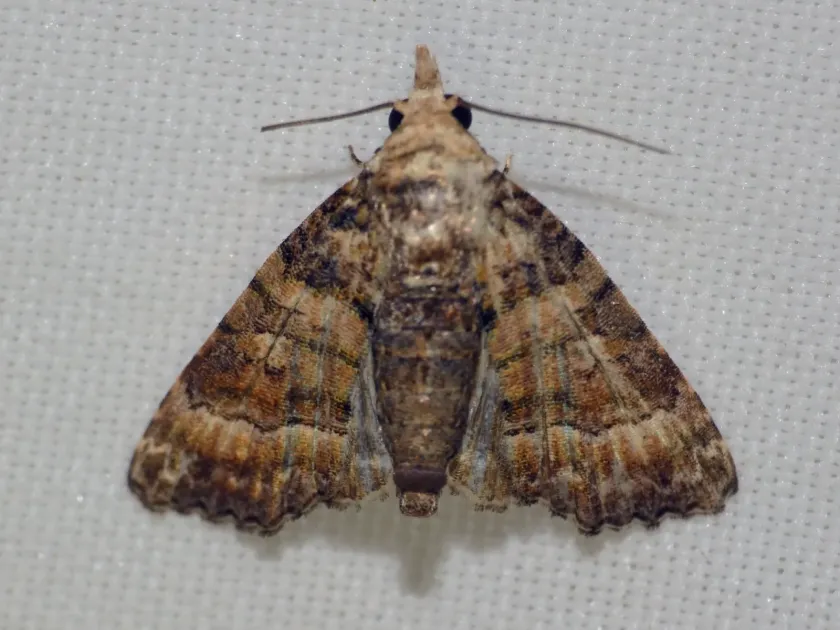
The adult moth is relatively small, typically with a wingspan ranging between 20 mm and 25 mm. Its forewings exhibit a mottled pattern of grey and brown, providing excellent camouflage against tree bark during the day.
The lifecycle includes a complete metamorphosis, consisting of four stages: egg, larva (caterpillar), pupa, and adult. The larval stage is the most critical as it is responsible for the physical damage to the host plant.
Systematically, this insect belongs to the order Lepidoptera. Accurate identification of larvae and adults is essential for effective pest management programs in commercial orchards.
This species thrives in warm and humid environments, which coincide perfectly with the optimal growing conditions for mango plantations, leading to consistent infestation risks throughout the season.
What it damages
The primary host for Chlumetia euthysticha is the mango tree (Mangifera indica). The pest causes extensive damage to various parts of the tree, directly threatening the yield and health of the orchard.
Larvae primarily attack the terminal shoots of the tree. By boring into the tender stems, they cause dieback, resulting in withered tips and stunted growth, which prevents the tree from developing properly.
The pest also targets the inflorescences of the mango tree. The caterpillars feed on the developing buds and blossoms, leading to a significant reduction in fruit set and overall yield loss for the season.
Occasionally, the larvae penetrate developing fruits. This internal damage often goes unnoticed until the fruit begins to show signs of decay, making them commercially unsuitable for harvest.
Infestations are often cyclical and can reach high density if not properly managed, potentially leading to total loss of floral development in untreated trees during peak infestation periods.
Signs of infestation
A tell-tale sign of a Chlumetia euthysticha infestation is the wilting of terminal shoots. These shoots often turn brown and dry out, revealing entry holes at the base where the larva bored in.
The accumulation of larval frass (excrement) around buds, blossoms, or entry holes on the stems is a major indicator of active feeding by the caterpillars inside the plant tissue.
Caterpillars often spin silk threads to web together damaged leaves or floral clusters. This creates a protective nest, which is easily visible when inspecting the canopy for signs of pest activity.
Small, irregular holes in the fruit, often surrounded by darkened or necrotic tissue, indicate that a larva has successfully penetrated the fruit surface, compromising its quality.
Abnormal dropping of blossoms before fruit formation, without visible signs of fungal disease, is another common symptom that points to the presence of shoot-boring moths.
Control measures
Effective management of Chlumetia euthysticha relies on an Integrated Pest Management (IPM) approach that combines physical, biological, and chemical control methods.
Regular pruning and immediate destruction of infested shoots and blossoms are essential. Removing these parts helps to physically reduce the larval population before they complete their development.
The use of pheromone-baited traps is recommended for monitoring moth populations. This data is critical for timing chemical interventions precisely to coincide with peak emergence periods.
Biological controls, such as the application of Bacillus thuringiensis-based products, offer an effective way to manage larvae while minimizing negative impacts on beneficial insects in the orchard.
Chemical control should be employed only when necessary. It is important to rotate insecticide classes to prevent the development of resistance in the pest population and ensure long-term efficacy.
Taxonomy
- Latin name
- Chlumetia euthysticha
- Order
- Lepidoptera (butterflies)
- Family
- Euteliidae
- EPPO code
- CHLUEU
Discussion
No discussions yet — be the first.