
Eutelia geyeri
Eutelia geyeri
Description
How to identify
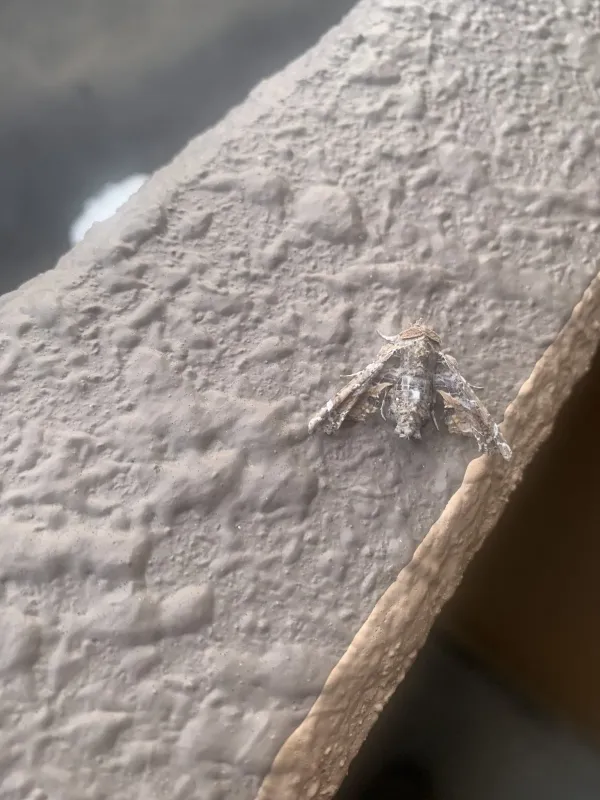
Eutelia geyeri is a species of moth belonging to the family Euteliidae within the order Lepidoptera. This nocturnal insect is known for its remarkable camouflage, which makes it nearly invisible while resting on tree bark during the daylight hours.
The adult moth has a wingspan of approximately 30–35 mm. Its forewings exhibit a grey-brown coloration with intricate patterns that mimic the texture of tree bark or dried foliage, serving as an effective survival mechanism.
The larvae, or caterpillars, undergo several developmental stages known as instars. During these phases, they significantly increase in size and often display cryptic coloration, such as shades of green or brown, to blend into the vegetation.
The pupal stage occurs either in the soil or within a dense cocoon tucked into the leaf litter. This hibernation strategy allows the insect to withstand cold temperatures and ensures the continuation of its life cycle.
Depending on the geographical region and climate, the life cycle may involve multiple generations per year, which is a critical factor for agricultural monitoring and pest control programs.
What it damages
Eutelia geyeri primarily affects woody plants, trees, and shrubs. Both native species and various ornamental or fruit-bearing crops can serve as hosts for the larvae of this moth.
The caterpillars are the main agents of damage, as they feed on the leaf tissues. Younger larvae might cause minor leaf mining, while older stages consume larger portions of the leaf blade.
In cases of severe infestation, the larvae can lead to complete defoliation. This process deprives the plant of its photosynthetic capacity, weakening its overall growth and future yield potential.
Aside from foliage consumption, the larvae may also damage developing buds or young shoots, causing growth deformities or premature wilting of branches, which negatively affects the plant's aesthetic value.
Large-scale outbreaks can result in significant economic loss, especially in nurseries and plantations where maintaining the health of every individual plant is essential for production.
Signs of infestation
A primary indicator of infestation is the presence of frass (larval excrement) on leaves beneath the area where the caterpillars are feeding, which is usually noticeable during early morning inspections.
Evidence of rolled or webbed leaves indicates that larvae are constructing shelters or pupation sites, which helps them survive unfavorable weather conditions and predator attacks.
The appearance of irregular holes or notched edges on the leaves indicates nocturnal feeding activity. If damage is concentrated in specific areas of the canopy, it likely suggests an infestation focus.
Unexpected yellowing or premature leaf drop, even when irrigation and nutrition are sufficient, often correlates with heavy larval feeding activity and tissue damage.
The detection of adult moths near light sources during the night serves as an early warning sign for growers that mating has begun and scouting for egg-laying and larvae should be prioritized.
Control measures
Integrated Pest Management (IPM) is the most effective approach to handle Eutelia geyeri. Utilizing pheromone traps helps monitor population density and identifies the optimal timing for intervention.
Biological control agents, such as Bacillus thuringiensis-based products, provide highly effective results against young larvae while preserving the natural balance of beneficial insects and pollinators.
Chemical control using authorized insecticides may be necessary if population levels exceed the established economic thresholds, ensuring applications follow label instructions for safety and efficacy.
Cultural practices, such as clearing fallen leaf debris and shallow tilling of the soil around host plants in the autumn, effectively disrupt the pupation process and reduce the next season's population.
Promoting a healthy environment for natural predators like parasitic wasps and predatory beetles is essential to maintain long-term suppression of the pest population without constant chemical input.
Taxonomy
- Latin name
- Eutelia geyeri
- Order
- Lepidoptera (butterflies)
- Family
- Euteliidae
- EPPO code
- EUTLGE
Discussion
No discussions yet — be the first.