
Eutelia
Eutelia
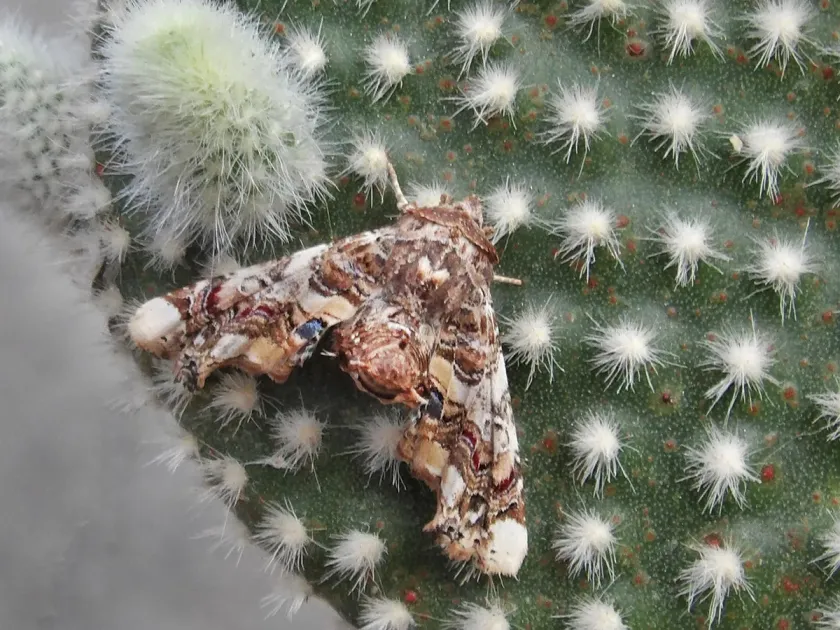
Description
How to identify
Eutelia is a genus of moths belonging to the Euteliidae family, containing several species known to cause damage to various agricultural and ornamental crops.
The adult moths are nocturnal, often characterized by their grey-brown wing patterns that provide excellent camouflage against tree bark, making them difficult to spot.
The insect follows a complete metamorphosis life cycle, consisting of the egg, larval (caterpillar), pupal, and adult stages, each timed to specific seasonal conditions.
The larvae, or caterpillars, typically possess a sturdy appearance and color patterns that help them blend in perfectly with the foliage and young twigs they consume.
Identification is most successful by looking for the eggs, which are usually laid singly or in small clusters on the underside of leaves during the active flying season.
What it damages
The primary damage is caused by the larvae, which are voracious feeders that consume the vegetative parts of the host plants, including leaves and soft shoots.
Preferred hosts often include fruit trees such as peaches, apricots, and plums, though some species may also affect a wider range of woody plants.
Defoliation is the most common impact, where the caterpillars skeletonize the leaves, severely hindering the plant's photosynthetic capacity and overall vigor.
Severe infestations can lead to significant fruit loss, stunted growth, and increased susceptibility of the trees to environmental stress or other opportunistic diseases.
Damage to the apical buds and young shoots often causes the deformation of the crown, leading to a loss in tree shape and reduced productivity for subsequent seasons.
When it appears
The flight period for the first generation of adults typically begins in late spring, triggered by rising temperatures and the onset of plant vegetative growth.
Depending on the climatic zone and species, the pest may complete one to three generations per growing season, maintaining pressure on crops throughout the summer.
The population peaks coincide with the most intense growth phases of the host plants, which provide the most nutritious food source for the developing larvae.
Pupation usually takes place in the soil or in crevices beneath the bark of host trees, where the insect remains protected until the next life cycle phase begins.
Overwintering occurs primarily in the pupal stage, buried deep within the soil or hidden under leaf litter, waiting for the return of favorable spring conditions.
Signs of infestation
One of the earliest signs of infestation is the presence of frass (caterpillar excrement) on leaves directly below the feeding sites, which serves as a warning for farmers.
Characteristic leaf "windowing," where the larvae consume the soft leaf tissue while leaving the veins intact, is a classic sign of Eutelia activity.
The presence of spun silk threads on leaves, which caterpillars use to tie foliage together for protection, is another indicator of an established colony.
Inconspicuous larvae hiding along leaf petioles during the daylight hours can be revealed upon closer inspection of the branch structure.
Yellowing leaves on specific branches and a lack of new shoot extension are often signals that the infestation has reached a level requiring immediate intervention.
Control measures
Effective management begins with good horticultural practices, including the timely pruning and destruction of infested branches to reduce the pest population density.
Soil cultivation under the canopy in late autumn helps destroy overwintering pupae by exposing them to frost and predatory insects.
Biological controls, such as the use of bacterial-based insecticides, are recommended for younger larval stages to minimize environmental impact on beneficial fauna.
When infestation levels exceed economic thresholds, systemic insecticides should be applied, rotating different chemical groups to prevent the development of resistance.
- Utilize pheromone traps to monitor adult flight patterns and determine the exact timing for applications.
- Enhance the garden ecosystem to support insectivorous birds and predatory wasps that naturally prey on larvae.
- Conduct regular monitoring of the orchard to detect the first signs of larval feeding before it spreads.
Taxonomy
- Latin name
- Eutelia
- Order
- Lepidoptera (butterflies)
- Family
- Euteliidae
- EPPO code
- EUTLSP
Discussion
No discussions yet — be the first.