
Black carpenter moth
Paropta l-nigrum
Description
How to identify
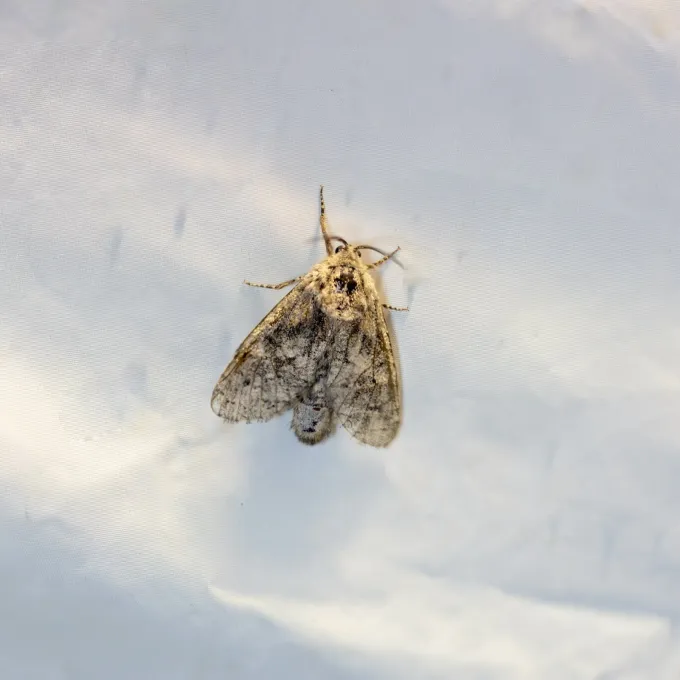
The black carpenter moth (scientific name Paropta l-nigrum) belongs to the Cossidae family, order Lepidoptera. It is a concealed-living pest, with an adult moth possessing modest coloring that provides camouflage on tree bark.
The larvae of this species are characterized by powerful development, being highly adapted for boring tunnels through the dense tissues of host plants. The adults are nocturnal, which makes them difficult to detect during standard daytime orchard inspections.
The insect's life cycle is intrinsically linked to the health of the wood, where the larvae spend a significant portion of their development period. The larval stage is the most destructive phase for the long-term health and vitality of the plants.
The systematic classification of this pest points to a prolonged development cycle, which can span several years depending on the regional climatic conditions and the quality of the available nutritional substrate.
Successful identification requires careful observation for specific entry holes in the bark and the presence of characteristic frass (waste) piles that the larvae eject while extending their internal galleries.
What it damages
Primary host plants vulnerable to this pest include grapevines and various fruit-bearing trees, such as apples, pears, and stone fruits like peaches or plums.
Larvae penetrate deep into the woody tissue, constructing long, irregular galleries that disrupt essential vascular pathways and nutrient translocation within the plant.
As a result of larval activity, branches and even sections of the trunk lose structural integrity, frequently leading to breakage under the stress of wind or the weight of the fruit.
Severe infestations cause overall plant weakening, significant yield reduction, premature death of individual shoots, and in extreme cases, the total collapse of the host tree.
The physical damage caused by the borer serves as an entry point for secondary infections, including various fungal diseases and bacterial rots, which further compromise the tree's immunity.
When it appears
The flight period for adult black carpenter moths typically occurs during the summer months, providing the ideal thermal conditions for mating and oviposition.
Larvae remain active throughout the year within their protected galleries, though peak feeding and growth rates are observed during the warmer spring and summer months.
Overwintering takes place inside the damaged woody tissues at various stages of larval development, which provides the insects with robust protection against harsh frost.
With the return of spring warmth, overwintered larvae resume their active feeding, expanding their existing tunnels and creating new paths through the living tissues.
Pupation also occurs deep within the wood or beneath the bark, from which the next generation of moths emerges to begin the reproductive cycle anew.
Signs of infestation
The primary symptom of an infestation is the appearance of holes in the bark with associated gum or sap exudation, indicating a rupture in the plant's vascular system.
Accumulated frass, appearing as fine sawdust piles at the base of the trunk or in branch crotches, is a definitive indicator of an active larva feeding inside.
Visual inspection may reveal localized wilting of leaves on specific branches, a symptom that occurs when the internal nutrient supply is severed by tunnel excavation.
Swelling or physical deformation of the bark near tunnel paths often indicates a long-standing infestation where the pest has expanded its feeding range over several seasons.
In quiet conditions, one may sometimes detect a faint rustling or scratching sound emanating from the trunk, which is characteristic of large larvae actively feeding on the wood.
Control measures
Effective management begins with strict agrotechnical measures: the timely pruning and destruction of heavily infested branches where the pest is localized.
It is recommended to clear away dead bark and seal entry holes with horticultural wax mixed with contact insecticides to deprive the larvae of oxygen.
- Injecting cotton swabs soaked in contact insecticides directly into the entry holes.
- Applying balanced fertilizers to accelerate the healing and regeneration of damaged plant tissues.
- Installing pheromone traps to monitor adult moth flights and reduce population density through trapping.
In cases of heavy infestation, the application of systemic insecticides is necessary, as these reach the internal tissues consumed by the larvae via the plant's sap flow.
Prevention relies on maintaining overall garden hygiene, as the black carpenter moth is more likely to colonize trees already weakened by frost, drought, or poor management.
Taxonomy
- Latin name
- Paropta l-nigrum
- Order
- Lepidoptera (butterflies)
- Family
- Cossidae
- EPPO code
- PRPALN
Discussion
No discussions yet — be the first.