
Paropta moth
Paropta
Description
How to identify
The Paropta moth (scientific name: Paropta paradoxa) is a member of the Cossidae family, commonly known as carpenter moths or goat moths.
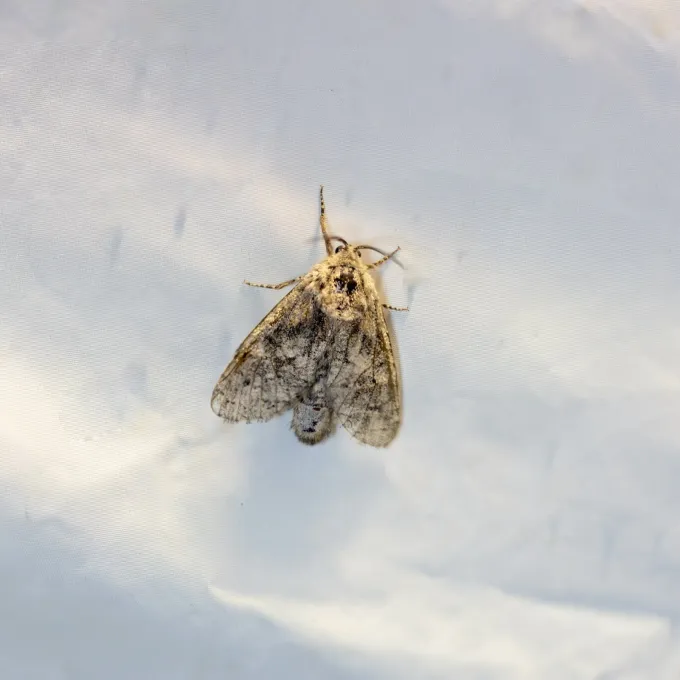
Adult moths are nocturnal and possess greyish-brown wings with intricate patterns that provide excellent camouflage against tree bark.
The larvae are specialized wood-borers, featuring a robust body and a hard head capsule designed for tunneling through dense woody tissues.
These insects are elusive, as they spend most of their life cycle hidden within the stems, trunks, or thick branches of host plants.
The reproduction process involves laying eggs on the bark surface, making the initial stages of infestation difficult to notice.
What it damages
This pest is primarily recognized as a threat to grapevines, though it also infests various fruit trees such as figs and walnuts.
The larvae bore tunnels into the wood, which disrupts the vascular system and prevents the transport of water and nutrients to the canopy.
Plants infested by the Paropta moth exhibit reduced vigor, poor growth, and in severe cases, the death of individual branches or the entire plant.
Older trees are often more susceptible to colonization, as the larvae favor softer or partially decayed wood found in aging specimens.
Once inside the tree, the larvae are protected from external threats, making them extremely difficult to control once an infestation is established.
When it appears
Adult moths typically emerge during the late spring and summer months, which is the most active period for their flight and mating.
The development cycle is prolonged, often taking multiple years to complete, with larvae remaining inside the wood throughout the winter.
Pupation occurs within the tunnels created by the larvae, offering a safe environment that shields them from environmental stressors.
Monitoring for adults is usually conducted using light or pheromone traps, as the moths are strictly nocturnal and rarely seen during the day.
The duration of the life cycle depends on climate conditions, with warmer regions potentially allowing for faster development cycles.
Signs of infestation
The presence of the Paropta moth is often first indicated by the accumulation of frass (larval waste) that looks like fine sawdust at the base of the plant.
Small entry holes on the bark, sometimes accompanied by sap or gum exudation, serve as clear indicators of larval activity inside the wood.
Infested plants may show signs of stress, including premature leaf yellowing, wilting, and reduced shoot elongation compared to healthy plants.
Branches weakened by extensive internal tunneling are prone to breakage during periods of high wind or when carrying a heavy fruit load.
- Sawdust-like frass at the base of the vine.
- Visible entry holes in the bark.
- Unexpected branch wilting or dieback.
- Brittle wood structure in affected sections.
Control measures
Sanitation practices, such as the removal and destruction of infested wood, are critical to reducing the local population of this pest.
Maintaining high plant vigor through proper fertilization and irrigation helps trees resist the initial establishment of wood-boring larvae.
In targeted interventions, systemic insecticides can be injected into the larval tunnels to eradicate the pests without removing the entire limb.
Biological control, using specific entomopathogens, is an emerging strategy for managing populations in sustainable orchards.
Preventive spraying with systemic insecticides during the peak egg-laying season can effectively block new larvae from penetrating the bark.
Taxonomy
- Latin name
- Paropta
- Order
- Lepidoptera (butterflies)
- Family
- Cossidae
- EPPO code
- PRPASP
Discussion
No discussions yet — be the first.