
Pardoxia graellsii
Pardoxia graellsii
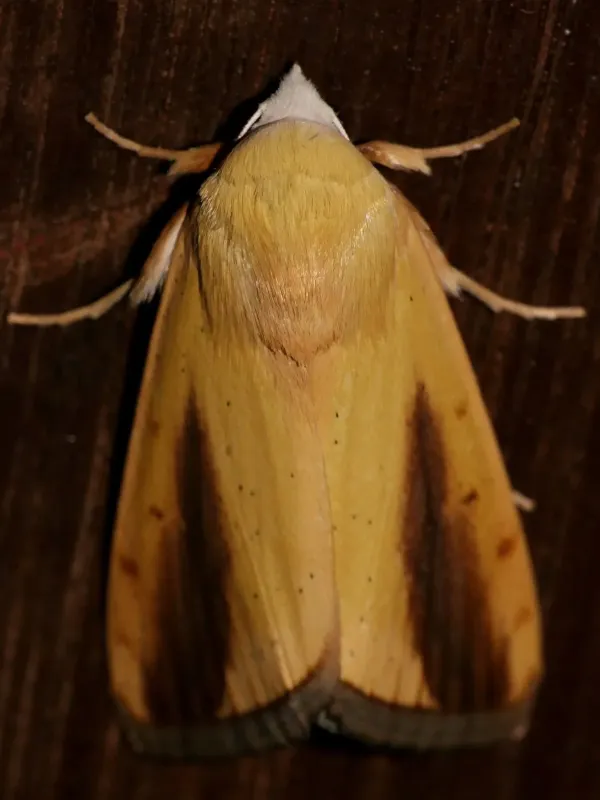
Description
How to identify
Pardoxia graellsii belongs to the order Lepidoptera and the family Noctuidae. This moth is primarily nocturnal and utilizes effective camouflage to blend in with its host plants.
The adult moth features cryptic coloration on its wings, which provides excellent concealment against leaves and stems during daylight hours.
The larvae, known as caterpillars, undergo several developmental instars, gradually increasing in size and intensity of feeding as they mature.
Females typically deposit their eggs on the undersides of leaves, making early detection difficult for growers who do not monitor their crops closely.
Pupation predominantly occurs within the soil, allowing the insect to survive unfavorable environmental conditions or winter temperatures in a dormant state.
What it damages
The primary damage is caused by the caterpillars, which consume plant tissue, often skeletonizing the leaves or creating irregular holes throughout the foliage.
The pest primarily targets crops in the Solanaceae family, including tomatoes, peppers, and eggplants, both in greenhouse and open-field environments.
In cases of high population density, the larvae may feed on reproductive structures, damaging buds, flowers, and young fruit, which directly reduces total yield.
Feeding injuries often compromise the plant's structural integrity and provide entry points for secondary pathogens like fungi and bacteria.
Significant economic impact is observed in warmer regions where the climate supports multiple generations of the pest throughout a single growing season.
When it appears
Activity begins in the spring as temperatures rise, signaling the emergence of adult moths from their overwintering pupal sites in the soil.
The first generation typically appears in late spring, coinciding with the rapid growth phase of seedlings and young transplants in the field.
During the summer months, favorable weather conditions allow for multiple successive generations, requiring ongoing vigilance from producers.
Peak feeding intensity often occurs during the second half of summer, which frequently overlaps with the fruit-ripening phase of solanaceous crops.
As autumn temperatures drop, the population shifts toward dormancy, with the final generation entering the pupal stage to overwinter in the soil.
Signs of infestation
The presence of frass (caterpillar droppings) on leaf surfaces is often the first visual indicator that an infestation is taking place.
Characteristic leaf damage, such as missing leaf tissue or irregular holes, provides clear evidence of ongoing larval feeding activity.
Close inspection of the undersides of leaves can reveal small, light-colored egg clusters, which indicate where new larvae will soon emerge.
Wilting of specific branches or deformed fruit development are common symptoms of heavy feeding, especially when larvae target reproductive parts.
Deploying pheromone traps acts as a proactive measure, allowing for early detection of adult flights and better timing for potential interventions.
Control measures
Effective management relies on an integrated approach, starting with cultural practices like deep autumn plowing to destroy overwintering pupae.
Keeping fields free of weeds from the Solanaceae family is crucial, as these plants often serve as early-season reservoirs for the pest population.
Biological control, including the use of entomopathogenic bacteria or natural predators, offers a sustainable way to suppress larval populations.
- Regular monitoring with pheromone traps.
- Hand-picking larvae in smaller garden settings.
- Application of selective insecticides during early larval instars.
Chemical control should be reserved for periods when the pest population exceeds established economic thresholds to ensure long-term sustainability.
Taxonomy
- Latin name
- Pardoxia graellsii
- Order
- Lepidoptera (butterflies)
- Family
- Nolidae
- EPPO code
- ACONGR
Discussion
No discussions yet — be the first.