
Pardoxia
Pardoxia
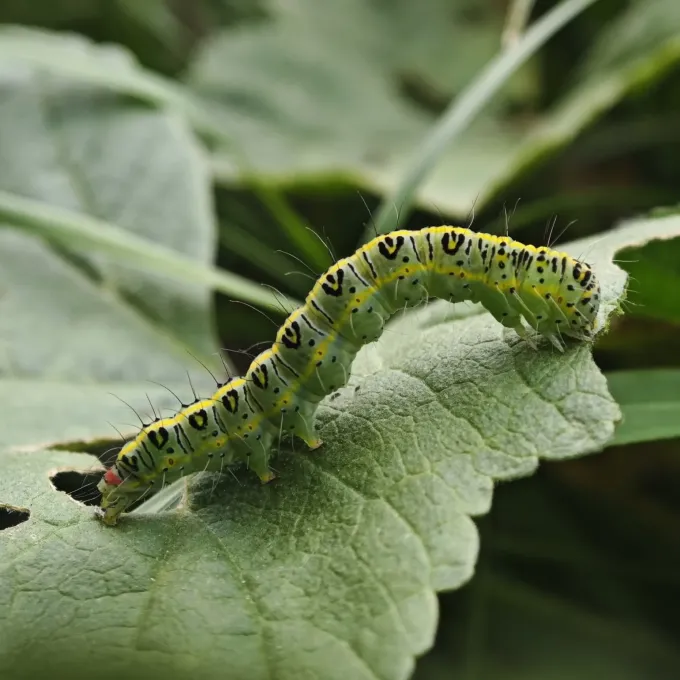
Description
How to identify
Pardoxia is a genus of insects belonging to the Noctuidae family within the order Lepidoptera, known for causing damage to cereal crops.
Identification of the species is crucial, as its life cycle involves several larval instars that differ in feeding intensity and physical appearance.
Adult moths are typically nocturnal, making them elusive during daylight hours and often requiring pheromone monitoring to track population levels.
The morphology of these moths is adapted to their environment, blending in well with crop canopy residues or soil surfaces during the resting phase.
Taxonomic classification of the genus Pardoxia may be subject to ongoing revisions, reflecting the complex nature of Lepidoptera taxonomy in agricultural ecosystems.
What it damages
Pardoxia primarily targets cereal crops including wheat, barley, and rye, which serve as essential hosts for larval development.
The primary damage occurs during the vegetative growth stage, where larvae feed on the leaf blades, significantly reducing the plant's photosynthetic capacity.
Severe infestations can lead to substantial biomass loss, causing stunted growth and reducing the overall grain yield potential at harvest.
In addition to leaf feeding, larvae can sometimes damage the developing stems or reproductive parts, depending on the crop's developmental stage.
Economic damage is most significant when high densities of larvae coincide with critical growth stages of the cereals, such as tillering or stem elongation.
When it appears
The pest's appearance is heavily influenced by seasonal temperature cycles, typically peaking in the spring as crops begin active growth.
Pardoxia overwinter in the pupal stage, buried in the soil, and emerge as adults when spring temperatures consistently reach developmental thresholds.
Multiple generations can occur within a single growing season if conditions remain favorable, prolonging the threat to cereal crops.
The seasonal activity aligns closely with the availability of suitable host plants, ensuring larvae have adequate nutrition during their development.
Monitoring for the start of the flight period is essential for timing integrated pest management interventions effectively.
Signs of infestation
The first signs of Pardoxia activity are often visible as irregular, notched, or shredded leaf margins caused by larvae feeding on foliage.
Plants may show reduced vigor, with yellowing or necrotic areas where the leaf tissue has been consumed or heavily damaged.
- Evidence of frass (larval excrement) on leaves or at the plant base.
- Wilting or chlorosis of the youngest leaves due to internal feeding.
- Stunted plant development compared to non-infested areas of the field.
Observing larvae during early morning or evening hours provides the most accurate assessment of the infestation severity in the field.
Damage symptoms are cumulative; therefore, identifying the problem at an early larval stage is critical for preventing economic loss.
Control measures
Integrated Pest Management (IPM) for Pardoxia involves a combination of cultural, biological, and chemical control methods.
Deep autumn plowing is a highly effective cultural practice that disrupts the pupal stage in the soil, significantly reducing the overwintering population.
Crop rotation and weed management, especially targeting wild grasses, help limit the alternative host plants available to the pest.
Chemical control should only be implemented when pest thresholds are exceeded, utilizing selective insecticides that minimize impact on beneficial insects.
Regular field scouting and pheromone trap data enable precise application timing, ensuring maximum efficacy and environmental safety.
Taxonomy
- Latin name
- Pardoxia
- Order
- Lepidoptera (butterflies)
- Family
- Nolidae
- EPPO code
- PRDOSP
Discussion
No discussions yet — be the first.