
Asparagus moth
Parahypopta caestrum
Description
How to identify
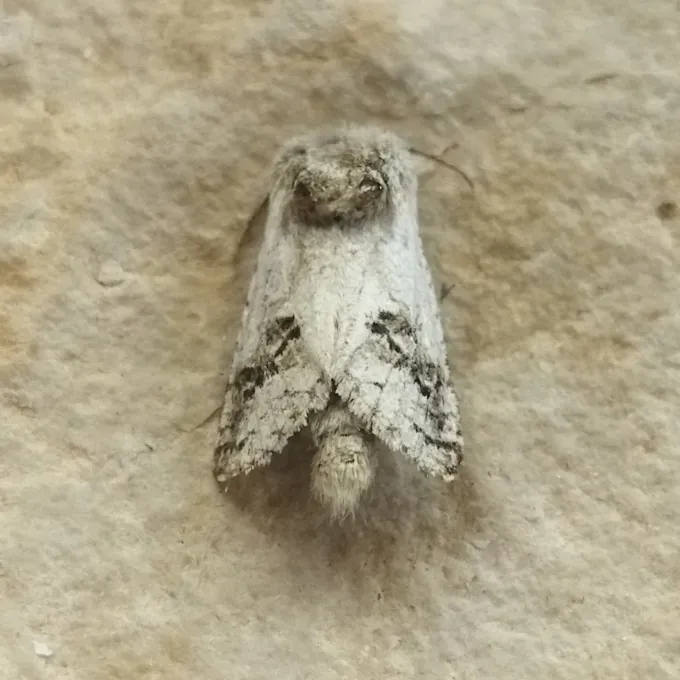
The asparagus moth (Parahypopta caestrum) is a moth belonging to the Cossidae family, commonly known as goat moths. The adults have a wingspan of about 40-50 mm, with grayish-brown wings patterned with a net-like appearance, providing excellent camouflage.
The larvae, or caterpillars, are the destructive stage of this pest. They can grow up to 60-70 mm long, possess a pale yellowish body with a dark head, and are highly specialized for boring into the thick, succulent roots of the host plant.
The life cycle of this species is relatively long, often spanning several years. Moths are nocturnal and lay their eggs near the base of the plants or in the soil, allowing the neonate larvae to locate the crown of the asparagus plant quickly.
After hatching, the larvae burrow into the rootstock, where they spend the majority of their development. They tunnel extensively through the fleshy roots, feeding on the plant's stored nutrients, which weakens the plant significantly.
Pupation occurs within the tunnels formed inside the roots. Before the adult emerges, the pupa uses specialized spines to navigate toward the soil surface, ensuring the moth can successfully complete its metamorphosis and leave the host.
What it damages
The primary host for this pest is the cultivated asparagus (Asparagus officinalis). The larvae are internal feeders, meaning they cause invisible damage until the plant begins to show systemic signs of decline.
By boring into the crown and roots, the larvae disrupt the vascular system of the plant. This restricts the flow of water and nutrients to the spears, leading to stunted growth and reduced yields during the harvesting season.
In cases of heavy infestation, the root system is decimated, causing the plant to wither and die. This is particularly problematic in perennial plantings, where the cumulative damage can destroy entire sections of a field over several years.
The tunnels created by the larvae provide easy access for soil-borne pathogens, including bacteria and fungi, which cause crown rot and further exacerbate the health decline of the asparagus plants.
Economic losses are significant because the damage is often detected too late to save the individual plants. Continuous monitoring is essential to prevent the spread of the pest across the entire field.
Signs of infestation
The most visible indicator of an infestation is the sudden wilting or yellowing of the asparagus ferns during the growing season. This happens because the root system is no longer able to support the vegetative growth.
Closer inspection of the base of the plant often reveals entry holes where the larvae have bored in. Around these holes, you may find heaps of reddish-brown frass, which resembles sawdust mixed with soil.
When digging up affected plants, the rootstock will appear hollowed out or honeycombed with tunnels. In some cases, the larvae themselves can be found deep within the tissues of the crown.
If you notice an increase in moth activity near your fields in early summer, especially around light sources, this indicates the presence of an active population that is likely laying eggs.
- Premature yellowing of fern foliage
- Small entry holes in the root crown
- Presence of fine, woody frass near the base
- Plants easily uprooted due to root damage
Control measures
Prevention is the most effective management strategy. Avoid planting asparagus on land that has been previously infested, and ensure the surrounding area is free from wild asparagus relatives that may harbor the pest.
Deep cultivation of the soil during the dormant season can expose larvae and pupae to predators and adverse conditions, significantly reducing the survival rate of the overwintering generation.
If infested plants are identified, they must be dug up and destroyed completely, including the entire root mass. This eliminates the larvae and prevents them from emerging as reproductive adults.
Chemical control is challenging due to the larvae's protected status inside the roots. Systemic insecticides applied during the egg-hatching phase can be effective, but timing must be precise to catch larvae before they enter the rootstock.
Maintaining high plant vigor through proper fertilization and irrigation helps plants recover from minor damage and improves their overall resistance to secondary infections following larval attacks.
Taxonomy
- Latin name
- Parahypopta caestrum
- Order
- Lepidoptera (butterflies)
- Family
- Cossidae
- EPPO code
- HYPTCA
Discussion
No discussions yet — be the first.