
Parahypopta
Parahypopta
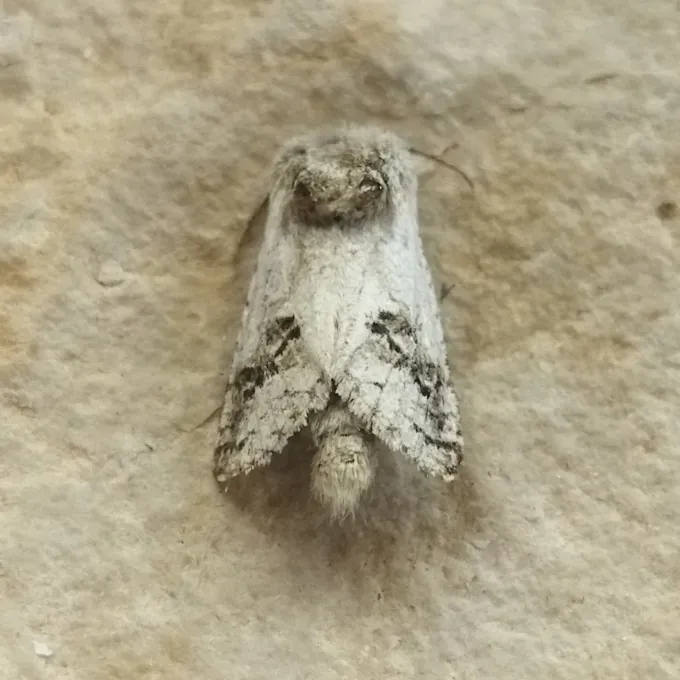
Description
How to identify
Parahypopta is a genus of moths belonging to the Cossidae family, commonly known as carpenter moths or goat moths. These insects are classified within the order Lepidoptera.
The adult moths are typically nocturnal, featuring cryptic coloration that provides camouflage against tree bark. Their body structure is robust, adapted for survival in various habitats.
The larvae are characterized by a strong, wood-chewing mouthpart, which allows them to bore deep tunnels into the trunks and roots of woody perennial plants.
The lifecycle duration is variable, often spanning one or two years depending on environmental conditions and the availability of suitable host plants.
Parahypopta caestrum is the most notable species, recognized for its distribution across steppe regions where it functions as a primary wood-boring pest.
What it damages
The primary hosts for Parahypopta larvae are grapevines, although they are known to inhabit various other woody plants and even large herbs in their native environment.
Damage occurs when larvae bore extensive galleries through the root system and the lower stem (trunk), severely obstructing the plant's vascular flow.
This internal damage weakens the overall vigor of the grapevine, leading to poor fruit development, stunted shoot growth, and reduced crop yields.
Severe infestations can lead to the total collapse or death of the vine, as the compromised structure becomes vulnerable to secondary pathogens and physical stress.
The economic impact is particularly high in regions with intensive viticulture, where the loss of mature plants significantly disrupts production cycles.
Signs of infestation
The most reliable sign of Parahypopta presence is the accumulation of frass, or "sawdust," located at the base of the vine or on the soil surface.
Exit holes found on the trunk or base of the plant are clear indications that larvae have completed their development and are transitioning to the adult phase.
Infected plants often exhibit symptoms of general decline, such as leaf chlorosis, wilting during the heat of the day, and overall stunted development of the foliage.
Direct inspection of the crown or root collar often reveals internal tunnels, which are filled with larval waste and chewed wood particles.
During the flight period, adult moths may be observed in the evening, often attracted to artificial lights, which can serve as a diagnostic indicator of population pressure.
Control measures
Effective management requires a combination of cultural practices, monitoring, and, when necessary, targeted chemical interventions during the critical larval stages.
Removing and destroying severely infested plants is a mandatory step to prevent the spread of the population to healthy vines within the vineyard.
Insecticide applications should be timed precisely with the period of larval hatching, as the larvae are most vulnerable before they successfully penetrate the wood tissue.
Biological control strategies utilizing entomopathogenic fungi or nematodes have shown potential in reducing larval populations within the galleries.
- Regular field scouting for early signs of frass accumulation.
- Maintaining healthy vines through balanced fertilization to support vigor.
- Using light traps to monitor and reduce adult moth numbers.
- Prompt sanitation of dead or dying plant material in the vineyard.
Taxonomy
- Latin name
- Parahypopta
- Order
- Lepidoptera (butterflies)
- Family
- Cossidae
- EPPO code
- PRHPSP
Discussion
No discussions yet — be the first.