
Panagaeus bipustulatus
Panagaeus bipustulatus
Description
How to identify
Panagaeus bipustulatus is a ground beetle species belonging to the family Carabidae, within the order Coleoptera.
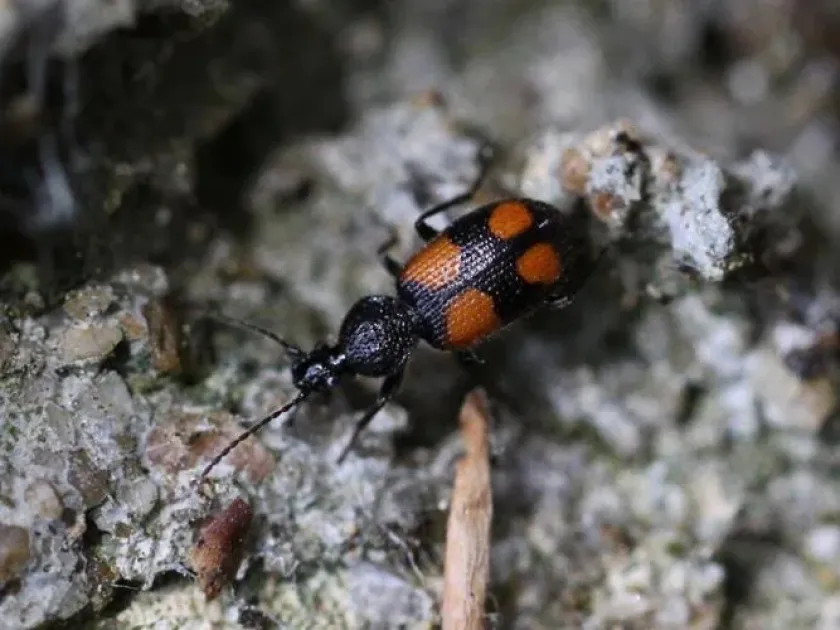
This beetle is typically 10–14 mm in length and is characterized by a distinct black body surface covered with fine, dense hairs.
Its most recognizable feature is the presence of two large orange-red spots on the elytra, which give the beetle its scientific name.
It possesses a strong pair of mandibles, which are typical for predatory beetles, although they may occasionally feed on botanical matter.
These insects are highly mobile, often found running quickly across the soil surface or hidden beneath leaf litter during daylight hours.
What it damages
Although carabids are generally considered beneficial predators, Panagaeus bipustulatus can occasionally cause damage to agricultural crops.
The primary concern arises when beetle populations feed on young seedlings, particularly in early spring when other food sources are scarce.
Crops such as cereals and various vegetables are susceptible to feeding damage on their cotyledons and early vegetative parts.
Severe infestations can lead to significant stand loss, as the insects may compromise the root neck or stems of young plants.
The pest is most destructive when its population density is high relative to the available natural prey in the field.
When it appears
The life cycle of the beetle is highly dependent on temperature fluctuations and soil moisture levels in the field.
Adults overwinter in the soil or protected crevices and emerge once the soil begins to warm up in the spring.
Peak emergence typically occurs during the spring planting season, which coincides with the most vulnerable stage of crop growth.
A second cycle of activity often takes place in late summer, as the new generation emerges to feed before returning to hibernation.
Environmental conditions, particularly heavy rains or prolonged drought, can drastically alter their seasonal activity and location in the field.
Signs of infestation
The presence of this pest is usually indicated by shredded leaf edges on young seedlings during the early growing season.
Nighttime observation with a flashlight is the most accurate way to detect these beetles, as they are strictly nocturnal.
Damaged plant bases or sudden wilting of patches in a field can suggest that the beetles have targeted the stems of the plants.
Observation of small holes or irregular grazing patterns on seedling leaves is a diagnostic sign of their feeding activity.
Signs of infestation are often most prominent in field margins or areas with high amounts of crop residue where the beetles seek shelter.
Control measures
Management of this species relies on cultural practices that disrupt the beetle's habitat and population growth cycle.
Thorough soil cultivation prior to planting is essential to destroy overwintering sites and reduce the initial population density.
- Use of insecticidal seed treatments to protect young plants during their most vulnerable growth stages.
- Implementation of robust crop rotation to decrease the likelihood of continuous infestation.
- Application of targeted insecticides if monitoring indicates the population exceeds economic thresholds.
Weed management is critical as it eliminates secondary food sources and hiding spots for the beetles within the field.
Maintaining healthy field edges and avoiding excessive moisture in susceptible areas can help limit the migration of these beetles into crops.
Taxonomy
- Latin name
- Panagaeus bipustulatus
- Order
- Coleoptera (beetles)
- Family
- Carabidae
- EPPO code
- PNAABI
Discussion
No discussions yet — be the first.