
Cotton seed bug
Oxycarenus hyalinipennis
Description
How to identify
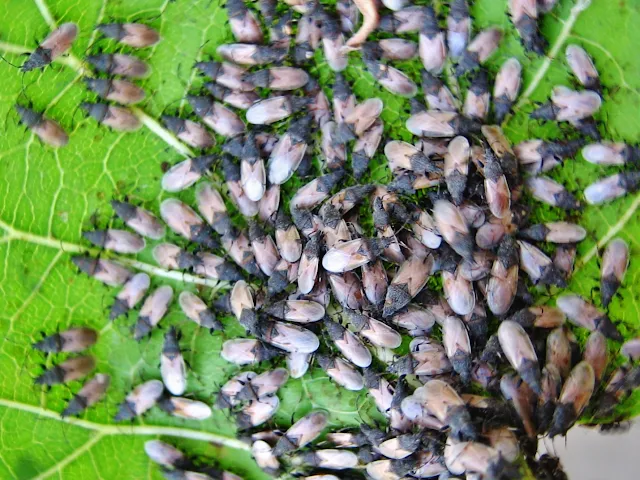
The cotton seed bug (Oxycarenus hyalinipennis) is a small insect belonging to the order Hemiptera and the family Lygaeidae. Adult bugs typically measure between 3 and 4 mm in length and possess an elongated body shape.
Their coloration ranges from dark brown to black, giving them a somber appearance. The wings are characterized by distinct venation and are often transparent, which is reflected in their specific scientific name. The head and pronotum have a finely punctate surface.
The life cycle involves incomplete metamorphosis. Eggs are laid in clusters, often tucked away in plant tissues or within the crevices of cotton bolls. Nymphs closely resemble the adults but are wingless and have lighter-colored abdomens.
These insects are highly adaptable and thrive in warm climates. They are social insects, often gathering in large colonies to feed, which makes them easier to spot during high-infestation periods despite their small size.
Successful identification requires careful inspection of the bolls, as these bugs prefer to hide in the lint, often remaining unnoticed until the damage to the seeds becomes severe.
What it damages
The primary host of Oxycarenus hyalinipennis is cotton (Gossypium). The bug infests the crop during the boll maturation stage, where it pierces the boll to feed on the developing seeds.
Besides cotton, the species is known to infest other malvaceous plants, including hibiscus, okra, and various ornamental species. Its ability to survive on alternative weeds ensures its presence throughout the year.
The damage is not limited to the seeds. The bugs excrete a substance that stains the cotton lint, leading to significant quality reduction. This residue further encourages the growth of various mold fungi.
The result of such infestation is a loss of lint color, strength, and overall commercial value. The industrial processing of stained and moldy cotton is much more difficult, leading to higher cleaning costs.
In cases of high pest pressure, the yield reduction can be significant. The seeds, if damaged early in their development, may fail to germinate, causing long-term issues for crop production.
When it appears
The activity of the cotton seed bug is strongly linked to temperature. In subtropical regions, this pest can complete 5 to 7 generations per year, leading to exponential population growth during the season.
Adults overwinter in crop residues, tree bark, or dried-up cotton bolls. As temperatures rise in the spring (typically above 15-18°C), they emerge to seek fresh host plants for reproduction.
The population peak usually occurs in the latter half of the summer, aligning with the critical boll maturation phase of the cotton plant. This is the period when farmers must be most vigilant.
The developmental period from egg to adult is short, often taking less than a month in hot weather. This rapid life cycle allows the population to recover quickly after control measures are applied.
As the season ends, bugs prepare for diapause. However, in regions with mild winters, continuous feeding and breeding can occur throughout the year, posing a year-round threat to the crop.
Signs of infestation
The most reliable sign of an infestation is the presence of dark-colored bugs inside opened cotton bolls. Colony clusters are often visible upon opening the boll casing.
Stained, discolored lint is a major indicator of damage. If the lint feels sticky or smells musty, it is a clear sign that bugs have been active and that secondary fungal infections have settled in.
The seeds themselves may appear shriveled or exhibit puncture marks from the bug's mouthparts. Dead insects or molted skins found inside the bolls are also common evidence of their presence.
- Massive aggregation of black bugs inside bolls.
- Brown or yellow staining of the cotton fibers.
- Musty odor and presence of mold on the lint.
- Shriveled or damaged seeds within the bolls.
- Sticky residue on the surface of cotton bolls.
Severely infested bolls often fail to open properly. This partial opening makes harvesting significantly more difficult and reduces the efficiency of mechanical harvesters.
Control measures
Effective management begins with robust cultural practices, such as the total removal and destruction of crop residues after harvest. This significantly reduces the population available for the next season.
Weed control is essential, particularly targeting Malvaceae weeds in and around fields, which serve as alternate hosts and reservoirs for the bug during the off-season.
When chemical control is necessary, contact insecticides should be applied early in the season before the bolls open and the bugs find protection inside. Once inside, they are difficult to reach with sprays.
Pheromone traps are highly recommended for monitoring. They allow for the precise timing of insecticide applications, ensuring better control while minimizing the environmental impact.
Integrated Pest Management (IPM) strategies, including the conservation of natural predators and parasitoids, are increasingly used to keep the cotton seed bug population below economic injury levels.
Taxonomy
- Latin name
- Oxycarenus hyalinipennis
- Order
- Hemiptera (bugs, aphids, leafhoppers)
- Family
- Oxycarenidae
- EPPO code
- OXYAHY
Discussion
No discussions yet — be the first.