
Metopoplax
Metopoplax
Description
How to identify
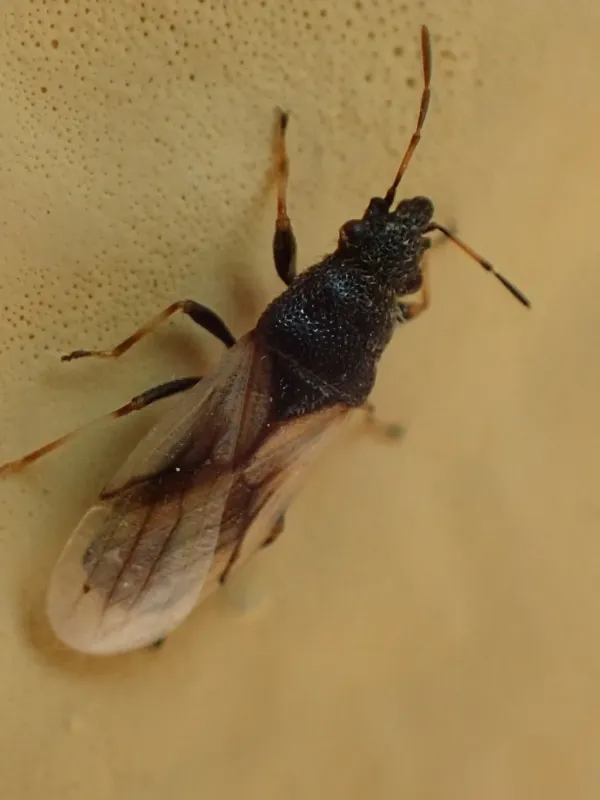
Metopoplax is a genus of insects belonging to the family Oxycarenidae. These small, hemipteran bugs are recognized for their specialized mouthparts adapted for piercing and sucking plant sap, making them significant phytophagous insects.
Adult insects of this genus typically exhibit a brownish or blackish coloration, which provides excellent camouflage against soil particles, withered plant matter, and stem structures. They possess well-developed wings, allowing them to migrate between fields during the warm season.
The nymphs go through several developmental stages, resembling the adults but lacking fully functional wings and being smaller in size. Their appearance gradually changes as they progress through these stages towards maturity.
The life cycle is heavily dependent on ambient temperatures. Warm and dry weather conditions accelerate their development, often leading to rapid population growth that can overwhelm plant defense mechanisms.
Identification at the species level requires expert analysis, as many Metopoplax species share similar morphological traits with other ground bugs found in the same ecosystems, often requiring magnification for accurate classification.
What it damages
Metopoplax bugs primarily attack plants within the Asteraceae family. In agricultural settings, they are frequently documented as pests of sunflowers and various wild weeds that act as alternative hosts for the insects.
By inserting their stylets into plant tissues—such as stems, leaves, and flower heads—they drain the vital nutrients and sap, which impairs the plant's overall photosynthetic capacity and metabolic functions.
The most severe damage occurs during the plant's reproductive phases. When bugs feed on the developing seeds or flower parts, they can cause sterility, shriveled seeds, and significant reductions in yield and crop quality.
Beyond direct feeding, these insects are vectors for opportunistic pathogens. The puncture wounds left on the plant surface provide easy entry points for various bacterial and fungal infections, which can exacerbate the damage.
The intensity of the damage depends on the population density and the phenological stage of the crop. Young plants are particularly vulnerable, often showing stunted growth or wilting when subjected to heavy infestation.
When it appears
The insects overwinter as adults, finding refuge in the topsoil, under piles of debris, or within the dead stems of weeds. These sites provide the necessary microclimate to survive harsh winter temperatures.
Spring activity begins as temperatures rise, with the adults initially colonizing weed hosts. These weeds serve as a bridge, sustaining the population until the target agricultural crops germinate or begin to develop.
Summer is the period of peak abundance, characterized by rapid generations. During this time, the nymphs and adults actively feed, mate, and reproduce, which often correlates with the vegetative growth stages of the crops.
As autumn approaches and temperatures drop, the bugs enter a diapause phase. They slowly move towards overwintering sites, where they will remain inactive until the return of warmer weather in the following year.
The number of generations per year depends on the local climate. In most temperate regions, the pest completes one or two generations, making timely monitoring throughout the season critical for effective management.
Signs of infestation
Early signs of infestation include chlorotic spots on leaves where insects have extracted cell contents. Over time, these spots can merge, causing the leaves to turn yellow or necrotic.
Detection involves regular scouting. Finding the bugs clustered on the undersides of leaves or within the flower heads of the host plants is a definitive indicator of their presence in the field.
Morphological deformations, such as twisted leaves or distorted floral discs, are typical responses to prolonged feeding. These symptoms are often observed in the localized patches where the population density is highest.
A decline in the overall vigor of the crop, including premature wilting or delayed development, suggests that the bugs have caused significant sap loss, impacting the plant's ability to maintain water balance.
High concentrations of insects or their excrement on weed borders around the field are reliable early-warning signs that a migration into the main crop is likely imminent.
Control measures
The primary control strategy is integrated pest management (IPM), starting with cultural practices. Removing host weeds from field borders and surrounding areas significantly limits the bugs' breeding grounds.
Crop rotation is an essential tool for disrupting the bug's life cycle. Avoiding continuous monoculture of host plants reduces the buildup of overwintering populations within the soil.
Post-harvest tillage, such as deep plowing, is highly effective in destroying overwintering adults by burying them or physically damaging them, thus preventing them from surviving until the following spring.
Chemical control should be applied only when the economic threshold is reached. Systemic and contact insecticides are effective, with applications timed to target young nymphs before they reach maturity.
- Regular field scouting for early detection.
- Sanitation of field edges to remove weeds.
- Deep soil cultivation after harvest.
- Targeted insecticide applications if thresholds are exceeded.
Taxonomy
- Latin name
- Metopoplax
- Order
- Hemiptera (bugs, aphids, leafhoppers)
- Family
- Oxycarenidae
- EPPO code
- METXSP
Discussion
No discussions yet — be the first.