
Oxycarenus arctatus
Oxycarenus arctatus
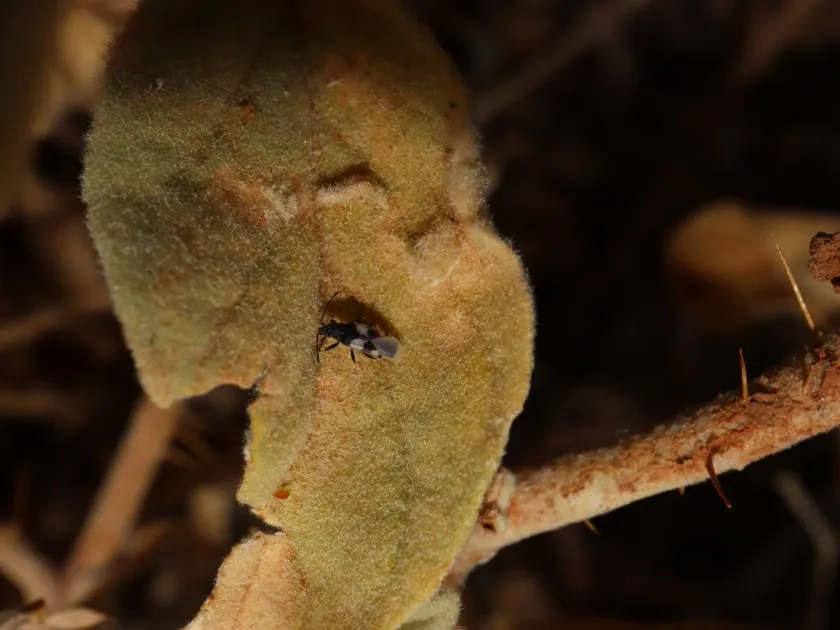
Description
How to identify
Oxycarenus arctatus is a species of true bug belonging to the family Oxycarenidae, within the order Hemiptera. These insects are small, typically measuring only a few millimeters in length, and are known for their characteristic elongated body shape.
The morphology of these bugs includes a dark-colored exoskeleton and a specialized piercing-sucking proboscis, which is adapted for feeding on plant sap. Identifying features often involve the specific venation patterns of the wings and the structure of the pronotum.
Their life cycle consists of three primary stages: egg, nymph, and adult. As hemipterans, they undergo incomplete metamorphosis, meaning that nymphs closely resemble adults but lack functional wings, gradually developing them through successive molts.
These insects are capable of producing multiple generations per season, depending on the climatic conditions of the region. Rapid population growth is common during periods of sustained warmth and dry weather.
Agronomists identify this species in the field by inspecting the reproductive parts of host plants, where adults and nymphs often congregate in large numbers during the peak of the growing season.
What it damages
Oxycarenus arctatus primarily targets plants within the Malvaceae family, though it can also infest various other botanical hosts. By piercing the plant tissues, they extract essential fluids, leading to physiological stress.
Damage is inflicted by both adults and nymphs, who target developing seeds, flower buds, and young shoots. This feeding activity disrupts the plant's nutrient transport system and causes localized cell death.
One of the most significant impacts is the reduction of seed quality and viability. When bugs feed on developing fruits or bolls, the resulting seeds are often shriveled, stunted, or completely non-viable.
In addition to direct physiological damage, the punctures created by the bugs' mouthparts may serve as entry points for secondary pathogens, such as fungi or bacteria, which can exacerbate the decline of the plant.
In regions where these insects are prevalent, high population densities can cause substantial economic losses by reducing both the yield and the market value of the harvested agricultural produce.
When it appears
The seasonal activity of Oxycarenus arctatus is heavily influenced by environmental temperatures. They are most active during the spring and summer months when weather conditions promote rapid metabolic and reproductive rates.
Adults typically emerge from hibernation sites, such as leaf litter or soil crevices, once spring temperatures rise. They quickly colonize young, growing plants that provide adequate nutrient sources for egg-laying.
Mid-summer often marks the period of peak infestation, as favorable weather facilitates the development of successive nymphal stages. This is the time when crops are most vulnerable to feeding damage.
As autumn approaches and temperatures begin to decline, the activity of the bugs wanes. They seek protected environments, such as dry vegetation or tree bark, to enter a state of diapause and survive the winter months.
Field monitoring should be prioritized during the crop's flowering and fruiting stages to detect early colonization and prevent large-scale population outbreaks that can occur if the season remains warm.
Signs of infestation
The first observable signs of an infestation include the appearance of tiny dark spots or lesions on the surface of buds, flowers, and developing fruits, representing the sites of feeding punctures.
Premature abscission (dropping) of flowers and fruit is a frequent symptom, as plants often shed stressed organs that have been depleted of their internal reserves by the insect population.
Aggregations of the insects can often be found hidden within the floral structures or in the axils of leaves, which serves as a primary indicator of an active and growing pest population in the field.
Over time, the affected plants show visible signs of developmental lag, including stunted growth, deformed fruits, and poor seed development, which significantly degrades the crop's overall performance.
- Feeding lesions on foliage and buds.
- Presence of nymphs clustered on host reproductive parts.
- Decreased flowering efficiency and reduced harvest quantity.
Control measures
Effective pest management relies on cultural practices, such as crop rotation, which breaks the insect's life cycle and prevents it from re-establishing a stable population in the same area.
Sanitation is critical; removing crop debris and eliminating weeds from the Malvaceae family reduces the alternative food sources and overwintering sites available to the bugs.
Chemical control measures, including the application of systemic or contact insecticides, are utilized when populations exceed established economic thresholds during sensitive crop development phases.
Biological control strategies emphasize the preservation of natural predators, such as predatory bugs and spiders, which help maintain Oxycarenus arctatus numbers at manageable levels naturally.
Deep plowing following the harvest season is recommended to disrupt overwintering habitats and significantly reduce the number of emerging adults for the following growing cycle.
Taxonomy
- Latin name
- Oxycarenus arctatus
- Order
- Hemiptera (bugs, aphids, leafhoppers)
- Family
- Oxycarenidae
- EPPO code
- OXYAAR
Discussion
No discussions yet — be the first.