
Ophionea
Ophionea
Description
How to identify
Ophionea is a genus of ground beetles (Carabidae) that, unlike most of their predatory relatives, can be categorized as agricultural pests in certain rice-growing regions.
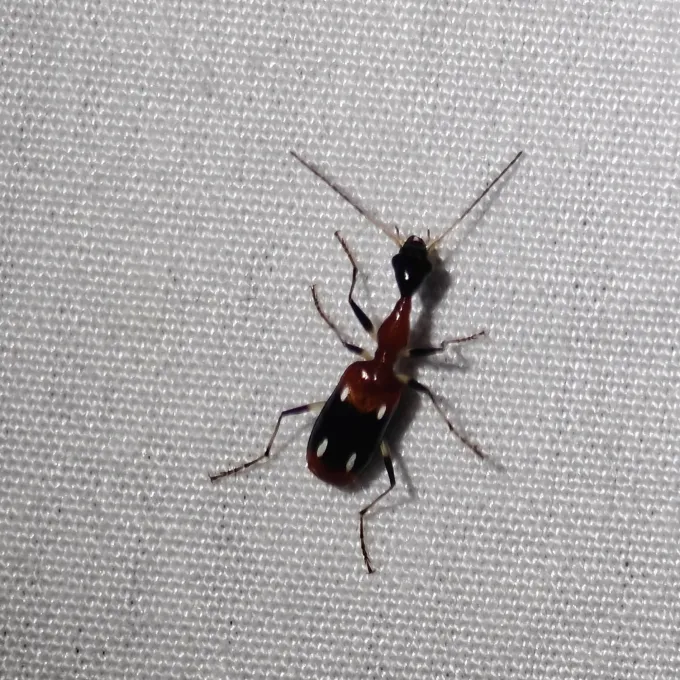
Adult beetles are characterized by a slender body structure and often possess distinct, vibrant coloration, making them relatively easy to spot in the field.
These insects are well-adapted to high-humidity environments, which explains their frequent presence in irrigated rice paddies and surrounding wetlands.
The larvae possess specific morphological adaptations that allow them to inhabit plant tissues, serving as the primary destructive stage of this pest.
Correct species identification usually requires professional taxonomic assessment, as the genus includes several variations with specific ecological preferences.
What it damages
Rice is the primary crop damaged by Ophionea, where both the vegetative and reproductive parts of the plant are susceptible to direct feeding injuries.
Beyond rice, these beetles may inhabit various wild grasses that act as alternative hosts, maintaining pest pressure throughout the agricultural calendar.
Significant damage occurs when larvae bore into the stems, disrupting nutrient transport and causing severe stress to the developing rice plants.
This feeding behavior often leads to stunted growth, yellowing of leaves, and in severe cases, the failure of the plant to produce a healthy grain panicle.
High infestation levels in a field result in noticeable yield gaps and decreased grain quality, posing a financial risk to rice producers.
When it appears
The activity and lifecycle of Ophionea are heavily influenced by temperature and the moisture levels typical of tropical and subtropical rice-growing areas.
Adult emergence is often synchronized with the tillering stage of the rice crop, marking a high-risk period for potential field infestations.
The insect typically completes multiple generations within a single growing season, which necessitates continuous scouting and monitoring programs.
As temperatures drop or the season ends, the beetles move to protective microhabitats, such as crop residues or moist soil, to undergo diapause.
Understanding the link between environmental conditions and pest population dynamics is crucial for accurate timing of agronomic interventions.
Signs of infestation
Early signs of Ophionea presence include small punctures or ragged edges on young rice leaves caused by adult feeding activity.
The wilting or death of the central leaf (deadheart symptom) is a strong indicator that larvae have infiltrated the plant's growth point.
- Evidence of larval tunneling within the stem or leaf sheath.
- Chlorosis (yellowing) occurring in patches across the paddy.
- Overall reduction in plant vigor and density within the affected area.
Scouting during the cooler hours of the day is recommended, as adults are generally more sedentary and visible on the foliage during these times.
Monitoring the integrity of the stem base can reveal entry holes, which confirm the presence of larval activity before visible plant decline occurs.
Control measures
Integrated Pest Management (IPM) is the most effective approach for managing Ophionea, emphasizing preventative and sustainable field practices.
Crop rotation and effective weed management are essential to eliminate alternative host plants and disrupt the pest's life cycle near fields.
When economic thresholds are exceeded, the application of systemic insecticides may be necessary to target both larvae and adult populations effectively.
Encouraging the presence of natural predators, such as spiders and other beneficial insects, helps maintain a natural equilibrium within the rice ecosystem.
Regular field surveys and the use of light traps are recommended to detect initial insect activity, allowing for timely and targeted defensive measures.
Taxonomy
- Latin name
- Ophionea
- Order
- Coleoptera (beetles)
- Family
- Carabidae
- EPPO code
- OPHNSP
Discussion
No discussions yet — be the first.