
Ground beetles of the genus Oodes
Oodes
Description
How to identify
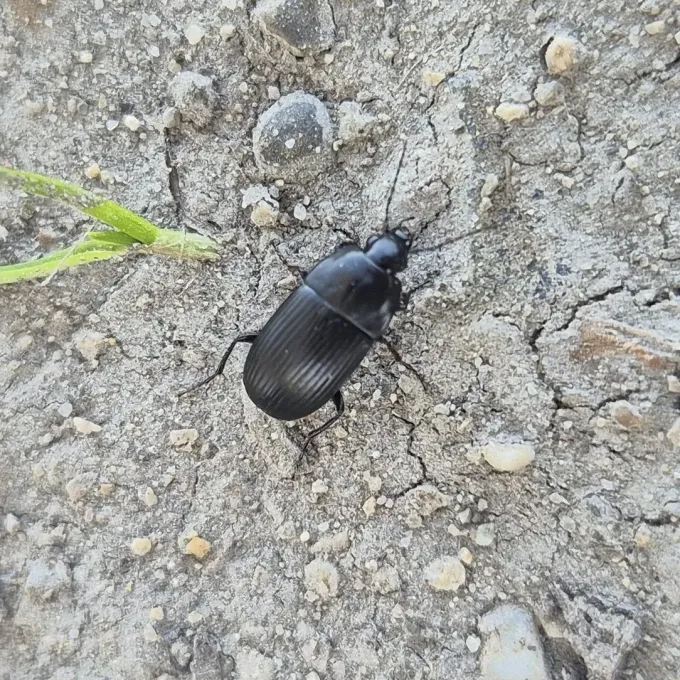
Ground beetles of the genus Oodes belong to the family Carabidae (order Coleoptera). These beetles are typically identified by their broad, oval, and flattened bodies, which are usually deep black or dark brown with a polished, shiny surface.
A key identifying feature is the smooth pronotum, which lacks the dense punctuation found in many other related genera. Their legs are robust and specialized for locomotion on moist soil surfaces and navigating through small crevices in the dirt.
Larvae of this genus are campodeiform, meaning they are active and predatory. They possess well-developed appendages and mandibles designed for hunting, though in some instances, they may inadvertently damage plant tissue while foraging for organic matter.
Adult beetles are nocturnal, spending daylight hours hidden under rocks, debris, or deep within the soil profile. They are highly sensitive to moisture and are almost exclusively found in humid environments or irrigation zones.
Distinguishing Oodes from other carabids often requires observing the structure of the elytral striae and the configuration of the hind tarsi, features that entomologists use to confirm the genus in the field.
What it damages
While most ground beetles are beneficial predators, Oodes species can exhibit omnivorous behavior. When natural prey populations are scarce, they may feed on the succulent tissues of young seedlings, particularly in waterlogged fields.
Primary damage occurs during the germination and early vegetative stages. The beetles gnaw at the stems and roots of wheat, vegetables, and other crops, which can result in wilting, stunted growth, or the total loss of young plants.
The severity of the damage is often tied to the moisture content of the soil. Fields with poor drainage provide an ideal habitat for these beetles, increasing the likelihood that they will congregate near cultivated crops and cause economic loss.
In addition to direct feeding, the physical activity of the beetles can introduce soil-borne pathogens into the plant. This secondary infection often causes more damage than the physical gnawing of the tissues by the beetles.
Monitoring for signs of damage is essential in the early spring. Areas of the field that remain damp after heavy rains are the most likely hotspots for infestation and should be inspected regularly.
When it appears
The life cycle of Oodes beetles is heavily influenced by seasonal precipitation and temperature patterns. They are most active during the warmer, wetter months of the year, which align with the peak vegetative growth of many crops.
Adults typically overwinter in the soil, digging into the substrate or sheltering under organic layers. This hibernation allows them to survive cold temperatures and emerge as soon as the ground begins to thaw in the spring.
Breeding activity usually peaks during late spring. Females lay eggs in the moist soil, ensuring that the emerging larvae have access to the humidity levels necessary for their development and hunting activities.
The second peak in population density often occurs in late summer as the new generation reaches adulthood. These beetles will remain active until the first frost, at which point they begin seeking overwintering sites.
Agricultural managers should be aware that unusual weather patterns, such as an exceptionally wet spring, can extend the activity season of these beetles, prolonging the window of risk for young crop plants.
Control measures
Effective control of Oodes beetles relies on cultural and physical management techniques. Improving soil drainage is the most critical step; reducing moisture levels directly disrupts the beetles' ability to thrive in the agricultural habitat.
Deep fall plowing is an effective mechanical method to reduce the overwintering population. By turning the soil, many dormant adults are exposed to predators and freezing temperatures, which drastically lowers their numbers before the next season.
Crop rotation and field hygiene are also vital. Removing excess weed cover and organic debris near field edges eliminates the hiding spots that adult beetles use during the day, making the area less attractive for colonization.
- Implement efficient drainage systems to keep fields dry.
- Use seed treatments that contain protective insecticides to shield germinating seeds.
- Maintain clean field borders by eliminating weeds and crop residues.
Chemical intervention should be considered a last resort. If insecticides are necessary, choose products approved for soil application and apply them only to the most severely affected areas to minimize collateral damage to non-target, beneficial insect populations.
Taxonomy
- Latin name
- Oodes
- Order
- Coleoptera (beetles)
- Family
- Carabidae
- EPPO code
- OODESP
Discussion
No discussions yet — be the first.