
Onychiurus yagii
Onychiurus yagii
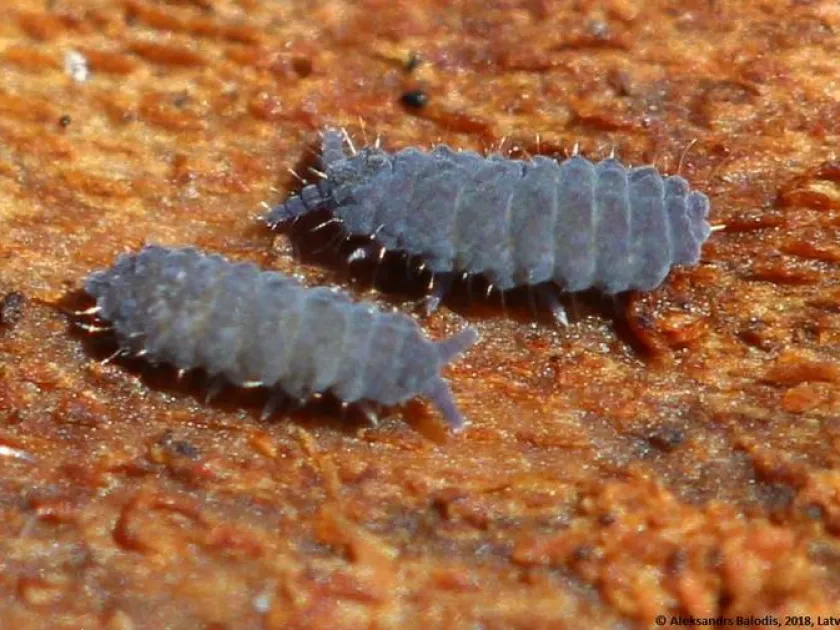
Description
How to identify
Onychiurus yagii is a species belonging to the order Collembola and the family Onychiuridae. These are tiny, blind soil-dwelling arthropods, usually white or pale in color, measuring 1–2 mm in length.
They are characterized by a cylindrical, elongated body. As members of the Onychiuridae family, they lack a jumping organ (furcula) typical of many other springtails, as they are adapted for living in small soil pores.
The lifecycle of this pest is closely tied to moisture. They are extremely sensitive to desiccation, which drives them to remain in humid, dark micro-environments within the upper soil profile.
They are difficult to spot with the naked eye in open fields, often requiring soil extraction methods like Berlese funnels to confirm their presence and population density.
While they are common in soil ecosystems, they reach pest status only when their numbers become abnormally high, often due to high organic content and excessive soil moisture.
What it damages
The pest primarily targets plant roots, seeds, and seedlings. By grazing on tender tissues, Onychiurus yagii disrupts the plant's nutrient uptake, leading to stunted development.
Common host plants include carrots, beets, potatoes, and various greenhouse vegetables. The damage often goes unnoticed until the plant shows signs of sudden wilting or failure to thrive.
When attacking seeds, the pest bores small holes, destroying the embryo or endosperm. In sprouts, they damage the hypocotyl, which usually results in the death of the seedling.
In mature root crops, their feeding creates small, characteristic ulcers or pits. These lesions serve as entry points for secondary pathogens like fungi and bacteria, leading to rot.
High infestations often lead to uneven stand establishment, forcing farmers to re-sow areas, which causes significant economic loss in intensive vegetable cultivation.
When it appears
Onychiurus yagii activity is highest during spring when temperatures rise and soil moisture remains high from spring rains, creating ideal breeding conditions.
During the summer, they tend to move deeper into the soil profile to avoid the drying effects of heat, provided the soil is not kept constantly damp through heavy irrigation.
Autumn brings another peak in activity as temperatures cool and moisture levels in the topsoil improve, allowing the population to proliferate before overwintering.
In greenhouse environments, they can remain active throughout the year, provided that the soil conditions (moisture and temperature) are maintained in a suitable range.
Monitoring should be most intense during the early stages of plant growth, specifically at seed germination and emergence, as this is when plants are most vulnerable to damage.
Signs of infestation
The first sign of infestation is often the irregular patches of missing or wilted plants within the field or greenhouse beds, despite adequate irrigation.
A closer inspection of the root system of affected plants reveals pitting or chewed-up root hairs and small surface lesions on the primary root or tuber.
If you see a large number of tiny, whitish creatures moving on the soil surface shortly after watering, it is a clear indicator of a high pest population.
Yellowing or chlorotic leaves on young plants, despite proper fertilization, may suggest that the root system has been compromised by soil-dwelling pests.
- Poor seed germination.
- Ulcers and pits on tuber surfaces.
- Wilting of young seedlings.
- Damaged root systems observed upon excavation.
Control measures
The primary control strategy is managing soil moisture. Reducing excessive moisture helps make the environment less favorable for collembolans, naturally suppressing their numbers.
Crop rotation is essential. Rotating out of susceptible root crops can help break the lifecycle of the pest by reducing the availability of preferred food sources.
In greenhouse settings, using sterilized, well-structured soil mixes ensures that you do not introduce the pest, which is common when using contaminated field soil.
Chemical control can be implemented through the application of soil-applied insecticides during the planting phase, though this should be a last resort based on monitoring data.
Promoting a healthy soil ecosystem, including beneficial predators like predatory mites, can help maintain the population of Onychiurus yagii below the economic injury level.
Taxonomy
- Latin name
- Onychiurus yagii
- Family
- Onychiuridae
- EPPO code
- ONYCYA
Discussion
No discussions yet — be the first.