
Onychiurus armatus
Onychiurus armatus
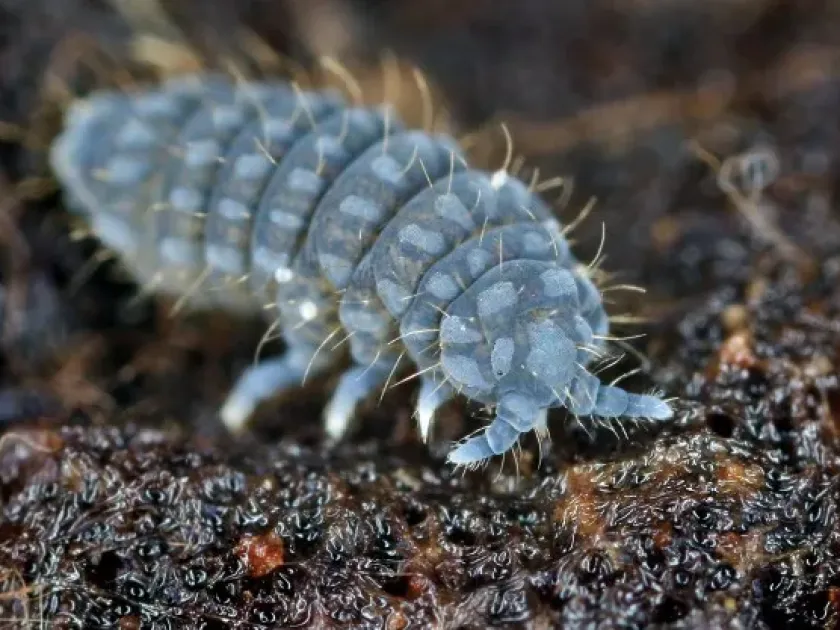
Description
How to identify
Onychiurus armatus belongs to the class Collembola, commonly known as springtails. These tiny arthropods are essential parts of the soil ecosystem but can become major pests under specific conditions.
An adult Onychiurus armatus typically measures between 1.5 to 2 millimeters in length. Its body is elongated, cylindrical, and white to pale cream in color, lacking any pigmentation or eyes.
The name "armatus" refers to the two distinct, stout chitinous spines located at the tip of the abdomen. These spines are the primary diagnostic feature used to identify the species under magnification.
Unlike many other springtail species, Onychiurus armatus lacks the specialized jumping organ known as the furcula. Consequently, they move through the soil by crawling through existing pore spaces.
They prefer moist, organic-rich soil environments. Their life cycle is relatively simple, consisting of several juvenile stages that look like smaller versions of the adults, without a distinct pupal stage.
What it damages
This pest is known for causing significant damage to subterranean plant parts. It primarily feeds on germinating seeds, young root hairs, tubers, and the hypocotyls of young seedlings.
Vegetable crops such as sugar beets, potatoes, carrots, and various greenhouse nursery plants are particularly susceptible. The damage is most severe during the critical early stages of crop establishment.
The insects create small, irregular pits and tunnels in the root tissue. These lesions weaken the plant and hinder the uptake of water and essential nutrients, leading to stunted growth or total seedling collapse.
Beyond direct feeding damage, the wounds created by Onychiurus armatus provide easy entry points for soil-borne pathogens. This leads to secondary infections, such as fungal root rots and bacterial soft rots.
In greenhouses, heavy infestations can lead to patchy crop stands, forcing growers to re-sow areas. On harvestable crops like carrots, the pits degrade the quality and market value of the produce.
When it appears
Onychiurus armatus is active throughout the entire growing season, provided that soil moisture remains high. However, activity usually peaks in the spring when seedlings are most vulnerable.
In greenhouse settings, these pests can maintain a continuous life cycle year-round, especially if soil sterilization protocols are neglected and irrigation is frequent.
In outdoor fields, the population levels fluctuate with weather conditions. Cool, wet springs following mild winters generally favor higher pest populations compared to hot, dry summers.
High soil moisture is a primary driver of seasonal activity. When soils become saturated, these pests are often forced toward the surface, making them more visible and active near the plant base.
Extreme cold or prolonged drought generally forces the populations to retreat deeper into the soil profile to find more favorable microclimates, significantly reducing their impact on the surface layer.
Signs of infestation
The most noticeable sign is poor or irregular germination. Often, growers observe "missing patches" in the field where seeds have failed to emerge or seedlings died immediately upon sprouting.
If you suspect an infestation, you can use the baiting method. Placing a piece of raw potato or carrot into the soil for a few days will often attract them, making them visible upon inspection.
Infected plants may show signs of wilting or chlorosis (yellowing) due to a compromised root system. Pulling the plant reveals discolored or chewed roots with visible cavities.
In moist soil, you might observe a thin, grayish layer on the surface consisting of massed springtails, especially after heavy rains or irrigation cycles.
Damage on carrots and potatoes manifests as small, dark-edged, concave spots. These spots are often mistaken for common scab or other soil diseases, but they are clearly caused by mechanical feeding.
Control measures
Good soil management is the first line of defense. Ensuring proper field drainage prevents the overly damp conditions that Onychiurus armatus needs to thrive.
Deep autumn plowing is a highly effective control measure. By turning the soil, you expose these moisture-dependent insects to surface desiccation and their natural predators.
Avoid applying raw, uncomposted manure to the field. Fresh organic matter acts as a food source and an attractant, significantly increasing the population density of the pests.
Greenhouse sanitation is critical. Soil should be sterilized with steam or approved fumigants before each planting cycle to eliminate overwintering populations and larvae.
If population levels exceed economic thresholds, consult local agricultural guidelines for permitted soil-applied insecticides. Apply these products carefully to ensure they reach the root zone.
Taxonomy
- Latin name
- Onychiurus armatus
- Family
- Onychiuridae
- EPPO code
- ONYCAR
Discussion
No discussions yet — be the first.