
Onychiurus pseudarmatus
Onychiurus pseudarmatus
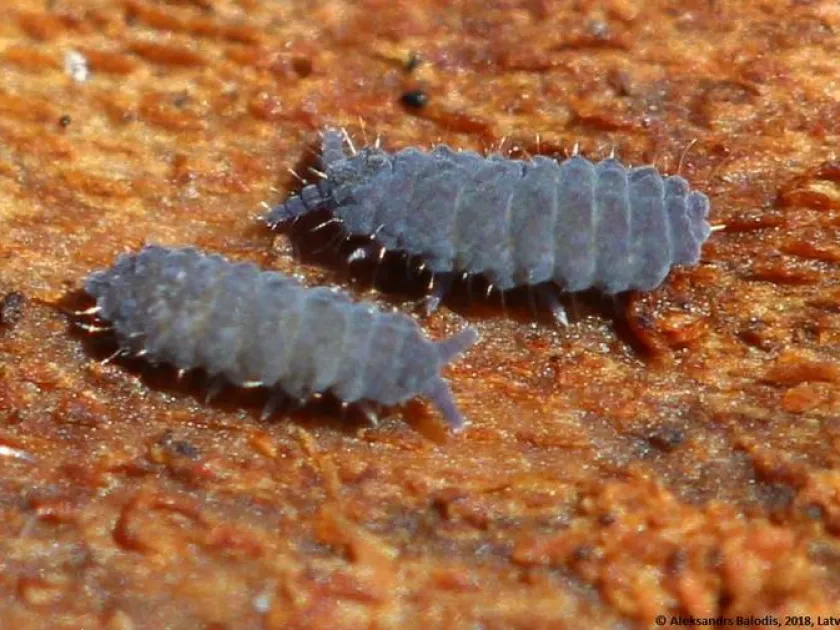
Description
How to identify
Onychiurus pseudarmatus is a species of springtail within the family Onychiuridae. These are minute, wingless arthropods typically measuring 1–2 mm in length, characterized by a lack of pigmentation and eyes, which are common traits for subterranean species.
They possess an elongated body shape and are equipped with pseudocelli, which are specialized sensory structures on the cuticle. These insects move through soil crevices and pore spaces by crawling, as they lack the furcula (jumping organ) found in many other collembolans.
The life cycle of this species occurs entirely within the soil. They are generally saprophagous, feeding on decomposing organic matter, but under specific environmental conditions, they can shift their feeding behavior to live plant tissues.
Females lay eggs in the soil, and the development process includes several molting stages. Their population dynamics are highly influenced by soil moisture, temperature, and the availability of suitable food sources.
Due to their small size and subterranean nature, their presence often goes unnoticed until significant damage is caused to crops. They are particularly active in cool and damp soil conditions, which frequently coincide with the sowing period of many crops.
What it damages
The economic impact of Onychiurus pseudarmatus is primarily observed during the germination phase. They feed on swollen seeds, emerging radicals, and hypocotyls, often destroying the embryo before the seedling can reach the soil surface.
A wide range of crops can be affected, including sugar beet, maize, sunflower, and various cereals. Seedlings are most vulnerable during the initial phase of establishment when they are developing their root systems.
Severe infestations can lead to significant thinning of stands, necessitating replanting. Even if plants survive, the damage to the root cortex and root hairs stunts growth and reduces the plant's ability to uptake water and nutrients.
Wounds caused by the pest often serve as entry points for soil-borne pathogens, leading to fungal infections and systemic root rots. This makes it difficult to distinguish between primary pest damage and secondary disease infection.
Damage intensity is often linked to the soil type and moisture content. In poorly drained or heavily compacted soils, the activity of these pests around the root zone is typically higher, increasing the risk of crop loss.
Signs of infestation
The first indication of an infestation is uneven plant stand emergence. Patches of missing crops or dying seedlings are common signs that warrant a closer inspection of the field.
When examining failed seeds in the soil, they often appear hollowed out or perforated with small, clean-cut holes. The presence of tiny, white, moving organisms inside the seed coat confirms the pest's involvement.
Seedlings that do manage to emerge may exhibit signs of yellowing, wilting, or general chlorosis. Upon uprooting, one may observe damaged or pruned root tips and brown necrotic lesions on the root tissue.
During soil sampling or excavation around the base of affected plants, the collembolans can be detected as small, pale, rapidly moving dots that retreat into the soil matrix when disturbed.
Inconsistent emergence patterns despite high-quality seed lots are a primary signal to investigate the soil for Onychiurus pseudarmatus or other soil-dwelling pest complexes.
Control measures
The most effective strategy for managing this pest is ensuring rapid crop establishment. Using high-quality, pre-treated seeds with systemic insecticides is crucial to protecting the seeds during the high-risk germination period.
Cultural practices, such as optimizing sowing dates to avoid cold and wet soil conditions, are essential. Providing the plant with adequate fertilizer to boost initial growth can also help it recover from minor feeding damage.
- Application of granular soil-applied insecticides at planting for sustained protection.
- Improving soil drainage and structure to create an environment less favorable for collembolan activity.
- Rotating crops to break the cycle of pest buildup in the field.
Effective seed bed preparation, which ensures good seed-to-soil contact and proper moisture management, reduces the time the seed remains in the most vulnerable developmental stage.
Integrated Pest Management (IPM) should involve soil monitoring before planting. By assessing the density of the collembolan population, growers can make informed decisions regarding the necessity of chemical intervention.
Taxonomy
- Latin name
- Onychiurus pseudarmatus
- Family
- Onychiuridae
- EPPO code
- ONYCPS
Discussion
No discussions yet — be the first.