
Nola cristatula
Nola cristatula
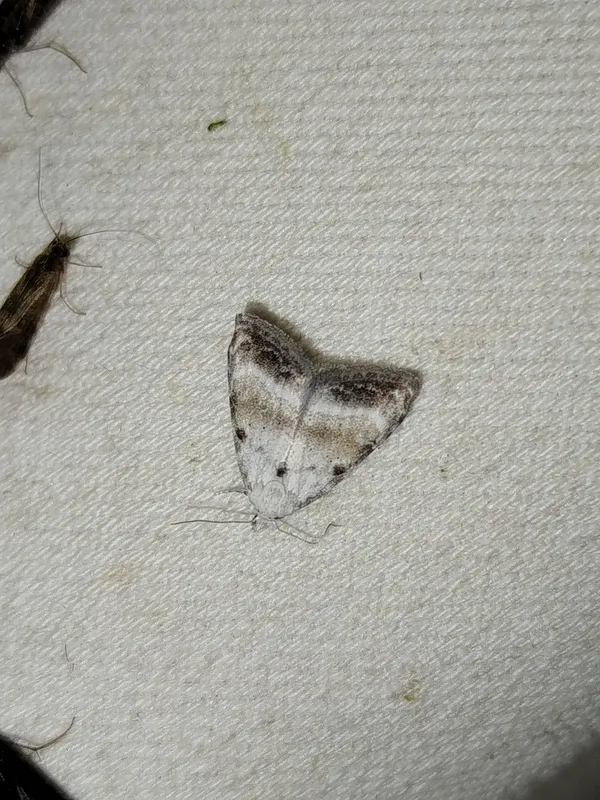
Description
How to identify
Nola cristatula is a small nocturnal moth belonging to the family Nolidae. The adult moth typically has a wingspan of 15–20 mm, with forewings displaying colors ranging from whitish-grey to brownish, decorated with a characteristic dark crest of scales.
The larvae of this species are distinguished by their hairy appearance, which serves as a camouflage against the foliage they inhabit. The life cycle consists of four distinct stages: egg, larva, pupa, and adult moth, completing a full metamorphosis.
The life cycle duration is heavily dependent on regional climate. In temperate areas, there is usually one or two generations per year, which dictates the periods of peak moth flight activity throughout the growing season.
The species primarily overwinters in the pupal stage within dense cocoons. These cocoons are typically attached to tree bark or hidden within folds of leaf litter, providing protection against harsh winter conditions.
Correct identification of this pest is essential for arborists and forest managers. It can often be confused with other small moth species, so careful observation of wing patterns and larval characteristics is required.
What it damages
The primary host plants for Nola cristatula larvae are oak species (Quercus), making them a potential threat to forests, ornamental parks, and tree nurseries where oaks are cultivated.
Although they prefer oak, the larvae may occasionally feed on other broad-leaved trees located in the immediate vicinity of a high-density infestation site.
The damage is caused by the caterpillars, which feed on the leaf blade, often starting from the edges. In cases of massive outbreaks, the pest can cause significant defoliation of the crown.
Defoliation disrupts the tree's photosynthetic capability, leading to reduced vitality, stunted growth, and increased susceptibility to other environmental stressors, such as drought or fungal infections.
Severe and repeated defoliation by these caterpillars can weaken young trees to such an extent that they become secondary targets for wood-boring insects or other opportunistic pests.
Signs of infestation
The first signs of infestation are skeletonized leaves near the tips of oak branches. Larvae often feed in groups, leading to localized areas of visible damage rather than uniform thinning of the crown.
Frass (larval excrement) accumulation under the canopy is a clear indicator of active feeding. Finding frass during regular site inspections is a primary trigger for further diagnostic investigation.
During physical inspection, one might find the larvae themselves. When disturbed, they often exhibit defensive behaviors such as curling into a ring or dropping from the leaf using a silk thread.
During the pupation phase, small cocoons may be found on the bark of the host tree. Due to their coloration, they blend in well with the surrounding texture, requiring a keen eye to spot.
Increased activity of insectivorous birds and predatory insects around oak trees can often signal the presence of a pest outbreak before it becomes visually apparent to the naked eye.
Control measures
Biological control methods are highly effective, particularly the use of Bacillus thuringiensis (Bt) sprays, which target the larvae while preserving the populations of beneficial insects and natural predators.
Chemical control with insecticides is generally reserved for situations where the pest population threatens the survival or critical health of the trees, and it should be applied based on economic threshold levels.
Cultural practices, such as the removal of leaf litter from the base of the trees during autumn or winter, can help eliminate pupae and reduce the overwintering population for the next season.
Encouraging the presence of natural enemies, such as parasitic wasps or predatory bugs, is a sustainable long-term strategy for managing Nola cristatula without relying solely on intensive chemical interventions.
- Use pheromone traps to monitor adult moth activity.
- Apply sticky bands on trunks to capture migrating larvae.
- Prune and destroy heavily infested branches if the tree size permits.
Taxonomy
- Latin name
- Nola cristatula
- Order
- Lepidoptera (butterflies)
- Family
- Nolidae
- EPPO code
- NOLACR
Discussion
No discussions yet — be the first.