
Neoneides
Neoneides
Description
How to identify
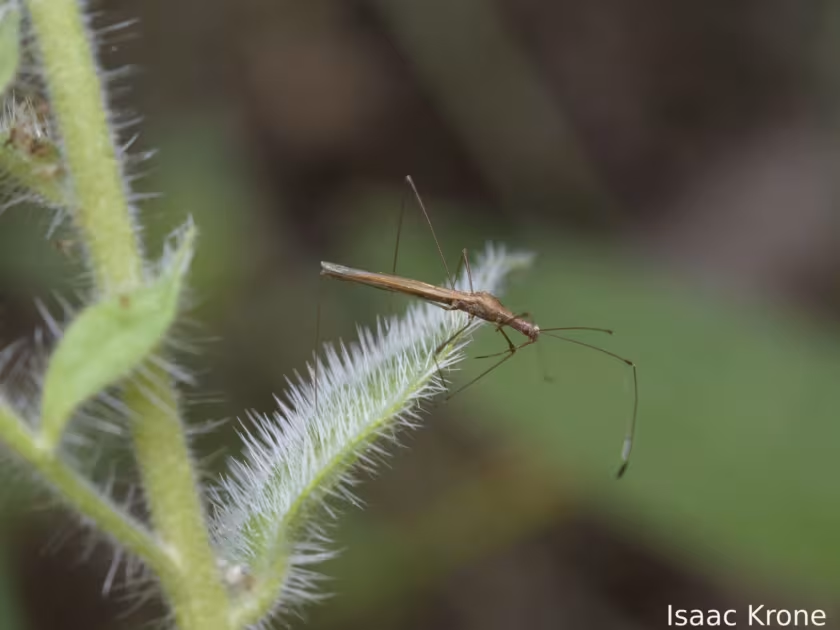
Neoneides is a genus of bugs within the Berytidae family, commonly known as stilt bugs. These insects are characterized by their extremely elongated, delicate body structures, long slender legs, and antennae, which gives them a unique appearance compared to other hemipterans.
Adult specimens typically display colors ranging from yellowish-brown to dark brown, allowing them to camouflage effectively against plant debris. A distinctive feature of this family is the club-like swelling at the tips of the antennae and specific structures of the pronotum.
Identifying them in the field requires close observation, as they move slowly and possess a distinct profile that stands out from other common field bugs. While they are generally not classified as major pests, their presence warrants attention in professional agronomy.
The biology of the genus is partially documented, but it is known that these bugs undergo a hemimetabolous development cycle: egg, multiple nymphal stages, and adult. They typically overwinter as adults in leaf litter or crop residues.
Species identification often requires a magnifying lens, as minute morphological details of the wing veins and head structure are essential for taxonomic classification within the Berytidae family.
What it damages
The primary damage caused by Neoneides involves feeding on the cell sap of various herbaceous plants. Unlike some other bug species, this genus shows a strong trophic preference for specific weeds, but may migrate to crops when weed density is low.
Potentially affected crops include various plant families, including cereals and certain vegetables. Insects tend to congregate on reproductive plant parts, such as flowers and developing ovaries, to feed on nutrient-rich tissues.
Damage symptoms manifest as microscopic puncture marks on stems and leaves. Through these wounds, the bug extracts sap, leading to localized tissue discoloration and a subsequent decline in the plant's overall photosynthetic efficiency.
The pest poses a greater threat during drought periods, as water-stressed plants become more attractive hosts for feeding bugs. Large aggregations of these insects can lead to premature wilting and reduced vigor in individual plant parts.
Economic damage is generally proportional to population density; however, because of their small size and secretive nature, the economic threshold is rarely reached in well-managed, intensive agricultural environments.
Control measures
The primary method of control is effective weed management, as weeds often serve as essential reservoirs for Berytidae species. Timely weeding and the destruction of plant residues in autumn significantly reduce the overwintering population.
Broad-spectrum insecticides are usually unnecessary as Neoneides rarely achieve critical infestation levels. Preference should be given to biological controls and regular monitoring using sweep nets to track population dynamics.
Crop rotation is an effective strategy to disrupt the pest's life cycle, limiting access to their preferred breeding habitats. Promoting the presence of natural enemies, such as predatory ground beetles and other entomophagous insects, is also highly recommended.
If population levels begin to threaten crop quality, the use of contact-stomach insecticides registered for use on specific crops is recommended, strictly following application regulations to minimize environmental impact.
Monitoring should be conducted during early morning or evening hours when bugs are most active and easier to detect on leaf surfaces. Consistent surveillance of crop health remains the best defense against any pest outbreak.
Taxonomy
- Latin name
- Neoneides
- Order
- Hemiptera (bugs, aphids, leafhoppers)
- Family
- Berytidae
- EPPO code
- NENESP
Discussion
No discussions yet — be the first.