
Aknisus
Aknisus
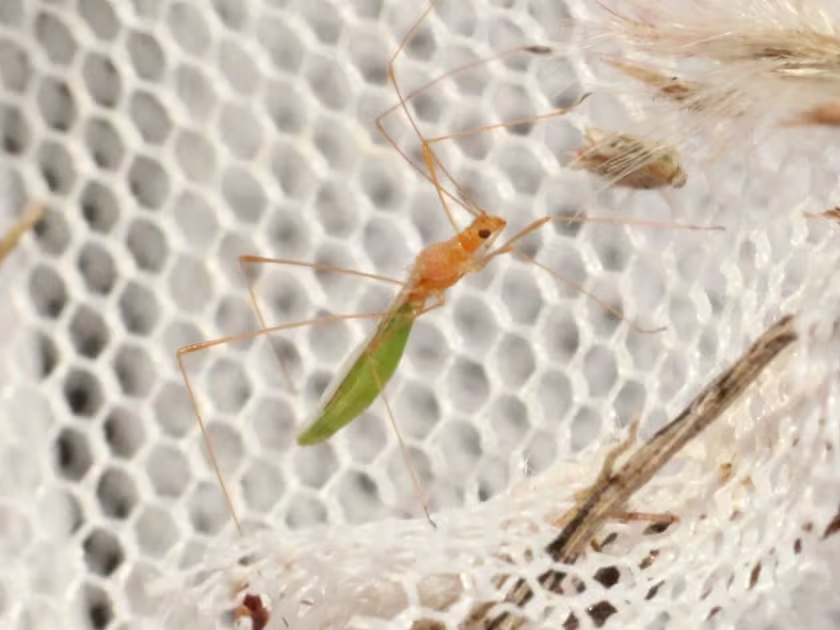
Description
How to identify
Aknisus is a genus of insects recognized as agricultural pests that possess a specific, often cryptic, life cycle. Systematically, they are categorized within groups of coleopteran or related insects that demonstrate high levels of adaptation to various agricultural ecosystems.
The adult insect typically features a robust exoskeleton and specialized mouthparts designed for piercing or chewing plant tissue. They are generally small, making visual detection in a dense canopy quite difficult without proper field scouting techniques.
The life cycle encompasses complete metamorphosis: egg, larva, pupa, and adult stages. Larvae are the primary stage causing damage, often living concealed inside plant stalks, roots, or fruit tissue, shielded from external environmental threats.
Developmental rates are strictly temperature-dependent, with warmer climates promoting faster cycles and multiple generations per season. Overwintering occurs in the soil or protected debris, ensuring survival through cold periods.
Accurate identification requires professional entomological assessment, including the use of pheromone traps and light traps during the peak emergence of adults to determine population density and the exact timing for intervention.
What it damages
Aknisus pests damage a wide range of crops, including cereals and vegetables. The larvae burrow into the structural parts of the plant, disrupting vascular tissues and preventing the efficient transport of water and essential nutrients.
This structural damage leads to physiological stress, resulting in stunted growth, yellowing foliage, and reduced yields. In severe cases, the weakened stalks become brittle and susceptible to breakage from wind or rain.
Damage intensity is often linked to the crop's developmental stage, with young seedlings being the most vulnerable to total destruction. Older plants may show reduced vigor, making them secondary targets for opportunistic pathogens.
Furthermore, the physical damage inflicted by larvae provides entry points for various fungal and bacterial infections. These secondary infections often cause more severe crop losses than the direct feeding of the pest itself.
Signs of infestation include internal stalk tunnels, entry holes on the stems, wilting of the terminal shoots, and in some species, a distinct loss of fruit quality or premature fruit drop due to internal tissue consumption.
Control measures
Effective management requires an Integrated Pest Management (IPM) approach that prioritizes prevention. Crop rotation is one of the most effective strategies to disrupt the pest's life cycle and reduce population build-up in specific areas.
Deep tillage after harvest is highly recommended to expose overwintering stages to cold temperatures and predators. Maintaining clean fields by eliminating weeds that may act as alternative hosts is equally critical for pest suppression.
Biological control involves the use of beneficial insects and predatory mites. These natural enemies can significantly lower the pest population if pesticide use is limited, allowing natural ecosystems to support a balanced check on numbers.
Chemical control should be applied strictly based on monitoring thresholds to avoid unnecessary environmental contamination. Systemic insecticides are generally the most effective against internal feeding larvae when applied at the right developmental stage.
- Regular monitoring using sticky traps and field inspections.
- Utilization of resistant or tolerant plant varieties.
- Optimal irrigation to maintain plant health and vigor.
- Timing applications according to the pest's life cycle stages.
Taxonomy
- Latin name
- Aknisus
- Order
- Hemiptera (bugs, aphids, leafhoppers)
- Family
- Berytidae
- EPPO code
- AKNISP
Discussion
No discussions yet — be the first.