
Ash plant bug
Neoborus illitus
Description
How to identify
The Ash plant bug (Neoborus illitus) is a small insect belonging to the family Miridae, order Hemiptera. These bugs are specialized feeders that thrive primarily on various species of ash trees (Fraxinus spp.).
Adult bugs typically measure about 5 to 6 millimeters in length. They are characterized by an elongated body and a color palette ranging from pale yellow to dark brown, often with mottled patterns that aid in camouflage.
The nymphs go through several developmental stages, known as instars. They are wingless and resemble smaller versions of the adults, usually staying on the undersides of leaves where they are protected from direct sunlight.
Their life cycle involves incomplete metamorphosis. They typically overwinter as eggs laid within the bark crevices or near the buds, emerging in spring to coincide with the leaf flush of the host tree.
These insects are highly mobile and use their piercing-sucking mouthparts to penetrate plant tissues. Their presence is often associated with the specific microclimate of ash groves and ornamental tree rows.
What it damages
Neoborus illitus causes direct injury to ash trees by sucking sap from the leaves. This feeding process destroys the mesophyll cells, which are vital for the plant's ability to perform photosynthesis.
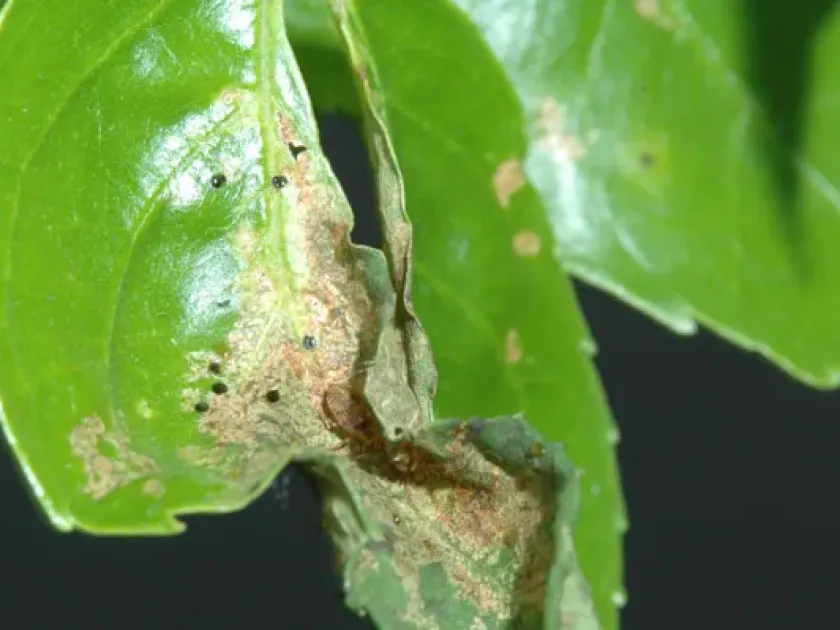
The primary symptom of their feeding is the characteristic stippling or mottling of leaves. These white or yellow spots indicate localized tissue death, which significantly reduces the tree's overall vigor.
In cases of heavy infestation, the damage leads to leaf curling, premature browning, and defoliation. This premature leaf drop can severely stress the tree, making it vulnerable to secondary pests and diseases.
Young ash trees in nurseries are particularly susceptible to this pest. Stunted growth and reduced annual shoot development are common consequences of prolonged bug feeding during the growing season.
For mature trees, while the damage might be less catastrophic, it can still lead to a sparse crown and reduced aesthetic value, which is particularly problematic in urban forestry and landscape design.
Signs of infestation
The first signs of an ash plant bug infestation are small, pale spots appearing on the leaves during late spring. As the bug population grows, these spots become more numerous and visible across the canopy.
Upon closer inspection, the undersides of the leaves often reveal the bugs themselves, their shed skins (exuviae), and small, dark fecal spots. The bugs are generally shy and will drop or fly away when disturbed.
Leaves affected by the feeding tend to twist or curl, often becoming yellow or brownish before they fall. This damage often starts from the interior of the crown and spreads outwards as the season progresses.
Stunted twig growth and lack of vitality in the tree's crown are late-season indicators. In severe cases, the tree may show a significantly thinner foliage compared to healthy surrounding trees.
- Small white or yellowish stippling on leaf surfaces.
- Leaf curling and deformation.
- Presence of small bugs and shed skins on the leaf underside.
- Early leaf senescence and drop.
Control measures
Management of the ash plant bug involves both cultural and chemical control strategies. Keeping trees well-hydrated and avoiding over-fertilization can help them better withstand the feeding pressure.
For significant infestations, systemic insecticides are the most effective way to control Neoborus illitus. These chemicals are absorbed by the tree and provide protection for an extended period.
Applications should ideally be timed to coincide with the early nymphal stages to prevent significant damage. Always follow the local regulations and labels for application rates and safety guidelines.
Encouraging natural predators such as lady beetles, lacewings, and predatory mites can help maintain bug populations at non-damaging levels within a balanced garden ecosystem.
Regular monitoring of ash trees is essential. By inspecting the lower canopy in spring, gardeners and arborists can detect the initial stages of colonization and apply targeted treatments before the population explodes.
Taxonomy
- Latin name
- Neoborus illitus
- Order
- Hemiptera (bugs, aphids, leafhoppers)
- Family
- Miridae
- EPPO code
- NEOBIL
Discussion
No discussions yet — be the first.