
Nebria rufescens
Nebria rufescens
Description
How to identify
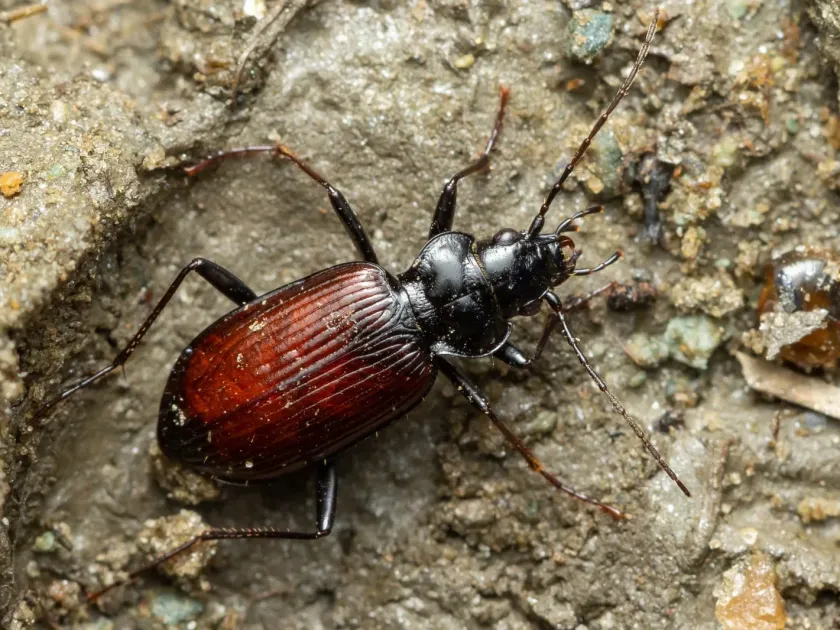
Nebria rufescens is a species of ground beetle (Carabidae) within the order Coleoptera. Adult beetles are typically 10–13 mm long and possess a distinct reddish-brown coloration, which differentiates them from many other Carabids.
The body structure is elongated with well-developed mandibles. Adults are primarily nocturnal, seeking refuge in cool, moist, and shaded environments during the daylight hours to avoid heat and predation.
Larvae are elongated and campodeiform, equipped with strong thoracic legs that facilitate movement through soil crevices. They thrive in damp, organic-rich environments typical of agricultural field edges and poorly drained areas.
The life cycle involves complete metamorphosis, including egg, larva, pupa, and adult stages. Most individuals overwinter in the soil as adults or late-stage larvae, emerging in spring when soil temperatures rise.
They are generally found in riparian habitats or areas with high soil moisture. Their presence in agricultural land is often linked to excessive moisture levels and the accumulation of plant debris.
What it damages
While most ground beetles are beneficial predators, Nebria rufescens can occasionally cause damage to agricultural crops when their preferred insect prey is scarce or when population density is high.
The most severe damage occurs at the seedling stage, where larvae consume germinating seeds, roots, and stems. This often results in patchy crop emergence and significant stand loss in young fields.
Adult beetles may feed on the foliage of tender crops, creating irregular holes in leaves. This feeding can weaken the plant and hinder photosynthesis, leading to reduced overall vigor and development.
Plant injuries serve as entry points for secondary soil-borne pathogens, including fungi and bacteria, which can cause rotting of the root system and plant mortality.
Crops particularly at risk include:
- Cereals (wheat, rye).
- Vegetable crops (carrots, onions, lettuce).
- Berries, especially newly planted strawberry fields.
Signs of infestation
The primary sign of infestation is the presence of irregular notches on the cotyledons or first true leaves of young seedlings, indicating nocturnal feeding by adult beetles.
Stunted growth or sudden wilting of young plants under moist conditions often points to larval damage to the root system, preventing the uptake of water and nutrients.
Detection of larvae in the soil layer around the base of the damaged plant is a definitive indicator of their activity. They are often found by carefully excavating the top 2-5 cm of soil.
The presence of shallow tunnels or entry holes in the soil surface near the crop rows indicates movement and activity of the larvae during the growth stage.
Increased density of adult beetles found under crop residue or debris near the field margins is a reliable early warning sign for potential future crop damage.
Control measures
Deep autumn plowing is a highly effective control measure, as it disrupts the soil habitat, destroys overwintering sites, and exposes larvae to predators such as birds and beneficial insects.
Maintaining good field sanitation, including the removal of thick weeds and excessive crop debris, reduces the moisture levels and shelter required by the beetle to thrive.
In cases of high infestation, the application of granular or liquid soil-applied insecticides during planting can provide a necessary protective barrier for susceptible crops.
Monitoring populations using pitfall traps allows farmers to determine the density of the pest and decide if chemical intervention is required, ensuring targeted application.
Encouraging natural predators or using bio-rational control agents, such as entomopathogenic nematodes, can provide a sustainable way to suppress larval populations without environmental harm.
Taxonomy
- Latin name
- Nebria rufescens
- Order
- Coleoptera (beetles)
- Family
- Carabidae
- EPPO code
- NEBRRU
Discussion
No discussions yet — be the first.