
European polecat
Mustela putorius
Description
How to identify
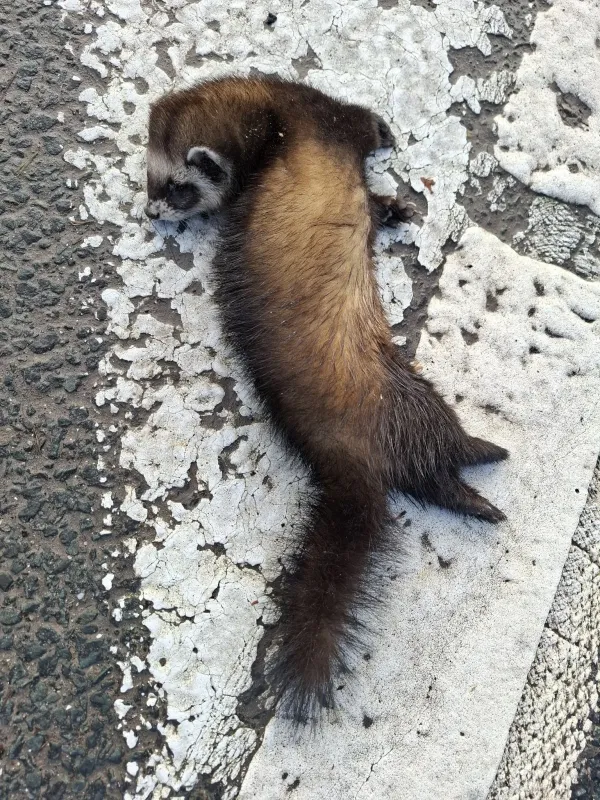
The European polecat (Mustela putorius) is a member of the Carnivora order and Mustelidae family. It is a small predator with a lean, flexible body typically ranging from 35 to 45 cm in length.
Its coat is dark, ranging from brown to nearly black, with a distinct pale mask on its face, which is a key identification feature for this species.
The animal is primarily nocturnal and crepuscular, leading a hidden lifestyle, which makes it challenging for farmers to track its presence until damage occurs.
With short legs and a powerful build, it is extremely adept at moving through small, narrow spaces, including vents, broken floorboards, and foundation gaps.
This species is a solitary territorial predator, meaning once it finds a reliable food source like a poultry coop, it is likely to return frequently.
What it damages
The European polecat is considered a significant pest in poultry farming because it actively preys on chickens, ducks, geese, and their young chicks.
Beyond individual kills, polecats often cause mass panic within a coop, leading to injuries or death by trampling as birds scramble to flee the intruder.
The predator is capable of entering poorly secured pens, and its hunting behavior often involves killing more birds than it can consume in a single night.
In addition to harming adult birds, the polecat can destroy egg clutches and disturb the general welfare of the flock, causing a drop in productivity.
The threat is most severe during the spring and early summer when the predator is actively foraging to feed its own growing offspring.
Signs of infestation
The most common sign of a polecat visit is finding poultry with puncture wounds around the neck, caused by the animal's sharp canine teeth.
Evidence of paw prints near entry points—often occurring in pairs due to the animal's characteristic bounding gait—is a strong indicator of its presence.
A distinctive, strong, musky odor near the coop or poultry pens is often left behind by the polecat, especially if it feels threatened or is marking territory.
Burrows or dug-out soil near the foundation of the poultry house suggest the animal is actively testing the structure for weaknesses.
Unusual behavior of the flock, such as frantic noise at night or refusing to enter the coop, indicates that the birds sense a predator nearby.
Control measures
Securing the coop is the primary line of defense. All gaps, windows, and ventilation openings must be sealed with heavy-duty galvanized wire mesh.
Preventing burrowing is crucial; ensure that wire mesh is buried at least 50 cm deep around the perimeter of the building to stop the polecat from digging underneath.
Keep the area surrounding the farm buildings clear of tall grass, debris, and woodpiles, as these provide cover for the polecat to approach the building undetected.
Installing motion-activated floodlights or ultrasonic deterrent devices can help discourage the polecat from approaching the coop during its nightly activity hours.
In cases of repeated attacks, live traps are recommended. They allow you to capture the animal safely and relocate it to a more suitable wild habitat.
Taxonomy
- Latin name
- Mustela putorius
- Family
- Mustelidae
- EPPO code
- MUSTPU
Discussion
No discussions yet — be the first.