
Field bindweed
Misgurnus anquilla
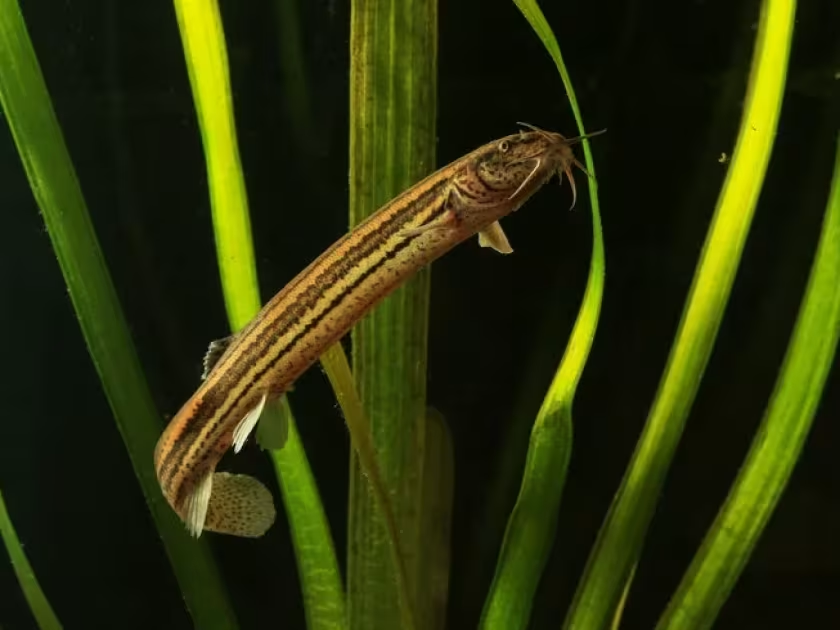
Description
How to identify
Field bindweed (Convolvulus arvensis) is a persistent perennial herb characterized by its twining stems and arrowhead-shaped leaves. It is widely recognized as one of the most difficult weeds to manage in agricultural settings.
The plant features trumpet-shaped flowers that are white or pale pink. Its most distinguishing characteristic is an extensive and deep root system, which can grow up to 3 meters deep, allowing it to survive extreme conditions.
Bindweed spreads aggressively through both seed production and vegetative growth from its root fragments. Even small pieces of the root system left in the soil can sprout into new, vigorous plants.
The seeds of this weed are highly durable and can remain dormant in the soil for decades, making it a long-term challenge for land management and crop production.
It is a highly adaptable species that thrives in various environments, from fertile agricultural fields to compacted urban soils, making its eradication a complex task.
What it damages
Field bindweed damages crops by winding its stems around theirs, which leads to crop lodging and inhibits vertical growth. This directly interferes with mechanical harvesting and reduces total yield.
The weed acts as a significant competitor for moisture and essential soil nutrients, drawing these resources away from the primary crop plants, which often results in stunted growth.
Dense mats of bindweed foliage create a humid microclimate that promotes the growth of various fungal pathogens and insect pests, threatening the overall health of the field.
By shading the lower portions of crop plants, bindweed significantly reduces the efficiency of photosynthesis, which directly impacts the plant's ability to produce quality grain or fruit.
The economic impact of bindweed includes not only yield losses but also the increased costs associated with repeated herbicide applications and mechanical control interventions.
When it appears
The germination period for field bindweed typically begins in late spring, as soil temperatures warm up to 10 degrees Celsius, requiring early observation of field status.
Active flowering occurs throughout the summer months, which is the most critical window for systemic herbicide application, as the plant is translocating nutrients to its roots.
During the peak summer season, the plant experiences rapid vegetative growth, extending its runners daily and potentially covering significant surface areas if not controlled.
In autumn, the plant begins to shift its energy reserves down to its root system to prepare for winter dormancy, making late-season chemical control quite effective.
The plant spends the winter in a state of dormancy, with its deep-seated root structure providing the necessary protection against freezing temperatures, ensuring regrowth in the spring.
Signs of infestation
A primary indicator of bindweed infestation is the presence of distorted or twisted crop stems, caused by the plant's aggressive twining action around its host.
The appearance of small, funnel-shaped flowers within crop rows is a clear sign that the weed population is well-established and currently in its reproductive phase.
Gradual yellowing and overall wilting of crop leaves often signal that the bindweed is effectively outcompeting the main crop for water and essential minerals in the root zone.
The presence of brittle, white, and resilient root pieces during tillage operations is a definitive indicator of an underlying and persistent bindweed problem in the soil.
A noticeable decrease in the number of healthy, productive leaves on the lower canopy of the crop is frequently caused by the weed's ability to dominate the light and space.
Control measures
Mechanical control, such as persistent tillage or hoeing, is often ineffective on its own and can inadvertently spread the weed if root fragments are not removed or buried deeply.
Systemic herbicides, particularly those containing glyphosate, are the most reliable method for long-term control as they are transported through the leaves directly to the roots.
Integrated pest management (IPM) practices, including the use of cover crops, help to shade out the bindweed and limit the resources available for its aggressive growth.
Proper crop rotation with species that have a dense growth habit can prevent the weed from gaining a foothold during the most critical stages of the crop's development.
Successful eradication requires a multi-year strategy that combines deep soil cultivation, timely chemical applications during the flowering stage, and rigorous field monitoring.
Taxonomy
- Latin name
- Misgurnus anquilla
- Family
- Cobitidae
- EPPO code
- MISGAC
Discussion
No discussions yet — be the first.