
Weatherfish
Misgurnus
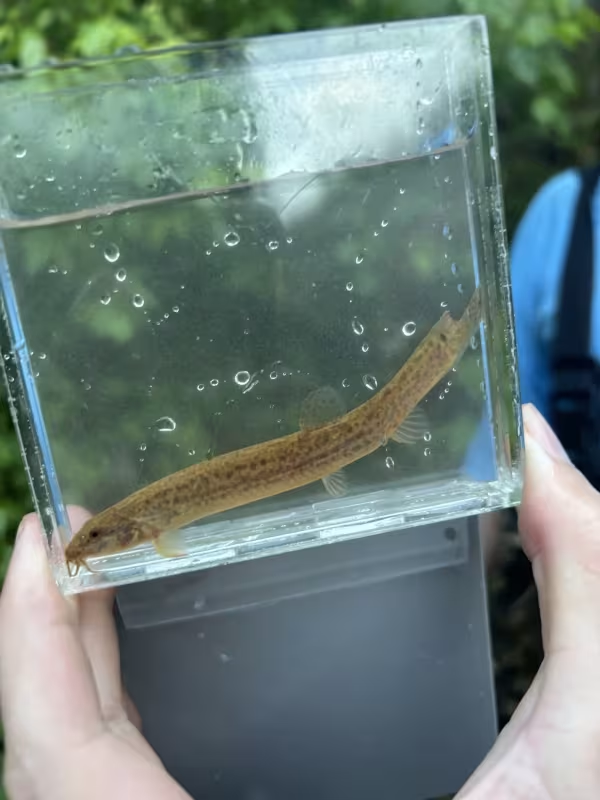
Description
How to identify
It is crucial to clarify the biological status of the object. The scientific name Misgurnus (e.g., Misgurnus fossilis) refers to the weatherfish, a freshwater fish of the family Cobitidae. This organism is an aquatic vertebrate and has no relation to phytophagy or agricultural pest damage.
In agronomic contexts, the term «bindweed» (often incorrectly associated with the name) refers to weeds such as field bindweed (Convolvulus arvensis). This is a perennial herbaceous plant with long rhizomes and climbing stems, belonging to the Convolvulaceae family.
Biological confusion between this aquatic fish and botanical weeds is a common error. In crop production, one must distinguish the taxonomy: field bindweed is a primary target for control, while the Misgurnus fish is entirely irrelevant to crop damage.
To identify field bindweed, focus on its morphological characteristics: arrow-shaped leaves, funnel-shaped white or pink flowers, and a robust root system that penetrates deep into the soil profile.
Systematically, field bindweed (the actual agronomic pest) belongs to the order Solanales, family Convolvulaceae. It is recognized globally as one of the most persistent and difficult weeds to eradicate in field crops.
What it damages
Field bindweed causes significant losses in agriculture by competing with crops for water, essential nutrients, and sunlight.
The stems of this weed wrap around crop plants, leading to lodging, complications during mechanical harvesting, and substantial yield losses in grain, technical, and vegetable crops.
The root system of bindweed can deplete soil moisture to a depth of two meters, which critically reduces water availability for the main crop during dry spells.
Furthermore, the plant acts as a reservoir for various viral and fungal diseases that can be transmitted to crops via common insect vectors.
Overall, the high destructiveness of bindweed is driven by its ability to rapidly occupy space and suppress seedling growth during early development stages.
When it appears
Active vegetation of field bindweed begins in spring as the soil warms up, triggering the growth of buds on roots located within the plow layer.
Throughout the summer, the plant exhibits intense growth and the ability to sprout repeatedly after mechanical injury, such as cutting or cultivation.
Flowering typically commences in June and persists until late autumn, ensuring massive seed production that can remain viable in the soil for several years.
Preparation for winter includes the accumulation of organic matter in the rhizomes, which ensures the plant's survival even if the topsoil freezes.
Agronomic monitoring should be carried out throughout the entire crop rotation cycle, as hidden rhizomes are capable of producing new shoots even after primary soil cultivation.
Signs of infestation
The primary sign of field infestation is the appearance of spiral stems that tightly wrap around crop plants, which is visually obvious during field inspection.
The presence of characteristic funnel-shaped white flowers at field edges or in inter-rows signals the transition of the weed into its active flowering and seeding phase.
Reduced crop productivity and uneven growth patterns in specific field areas often indicate the presence of root-sucker weed clusters.
Difficulties during harvest, such as clogged combine headers or lodged crop stands, serve as direct indicators of high bindweed density in the field.
Visual soil examination often reveals brittle white rhizomes, which quickly sprout when broken, confirming the plant's high regenerative capacity.
Control measures
Controlling bindweed requires a comprehensive strategy combining agronomic practices and the application of chemical crop protection agents.
- Deep plowing with soil inversion to exhaust the root system.
- Use of systemic herbicides that penetrate deep into the root network.
- Timely mowing of weeds before they reach the seed-set stage.
- Crop rotation including plants that suppress weed development.
- Stubble cultivation to provoke seed germination and sever roots.
The application of glyphosate-based herbicides is effective in the post-harvest period, as the weed actively translocates nutrients to its roots, facilitating the delivery of the agent to growth points.
Systemic control should be maintained over several seasons, as dormant buds on deep roots may sprout one or two years after initial treatment.
Taxonomy
- Latin name
- Misgurnus
- Family
- Cobitidae
- EPPO code
- MISGSP
Discussion
No discussions yet — be the first.