
Stone loach
Barbatula barbatula
Description
How to identify
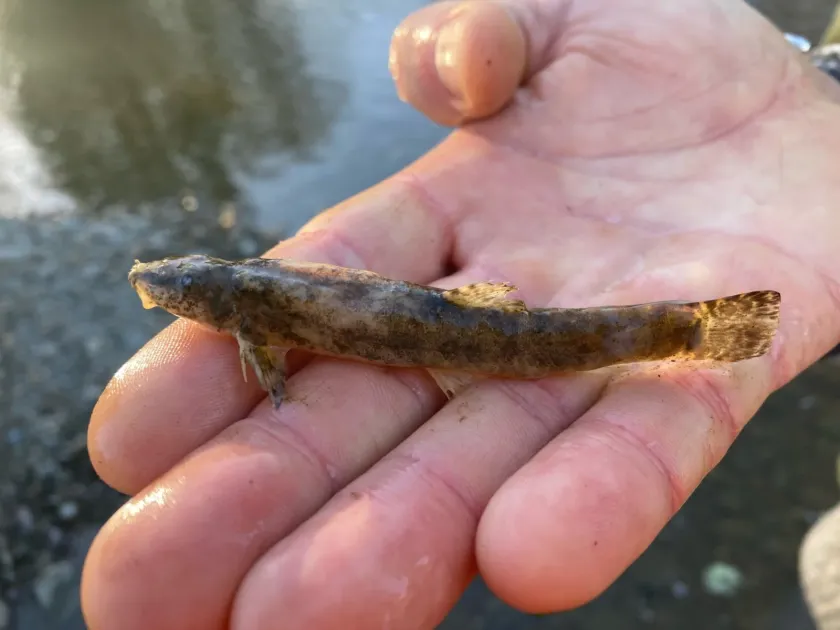
The stone loach (Barbatula barbatula) is a member of the Nemacheilidae family. It is a small bottom-dwelling fish known for its elongated, mottled body and sensory barbels.
This species is widely distributed across Eurasia, thriving in clean, well-oxygenated streams and rivers with rocky or sandy substrates.
The stone loach is primarily nocturnal or active in low-light conditions, using its barbels to locate small invertebrates on the bottom of the water body.
It is important to clarify that this species is an aquatic animal, not a pest that affects agricultural crops or land-based farming operations.
The fish is a vital component of aquatic food webs, contributing to the regulation of invertebrate populations within its habitat.
What it damages
The stone loach does not cause any damage to agricultural crops. It lacks the anatomy and behavior to feed on plant tissues, roots, or seeds.
In irrigation systems or agricultural reservoirs, this fish plays no role in crop destruction. It is entirely insectivorous or carnivorous in its diet.
There are no recorded instances of the stone loach impacting plant yields, making it irrelevant to plant protection and pest management strategies.
Its presence in agricultural waterways is generally considered neutral, having no negative impact on the efficiency of water usage for farming.
The classification of this fish as a pest is scientifically inaccurate, as it does not interact with the target crops in any harmful manner.
Control measures
No protective measures are required against the stone loach, as it poses no threat to crops or farming productivity.
Standard water management practices, such as the use of intake screens in irrigation pumps, are sufficient to manage any debris or aquatic life.
Agricultural management should prioritize the monitoring of actual pests, such as soil-borne or airborne insects, rather than harmless aquatic species.
Maintenance of drainage systems and irrigation canals should follow standard engineering protocols to prevent any unnecessary accumulation of silt or biological matter.
Respecting local environmental regulations regarding freshwater habitats is the recommended approach for any site management involving natural water bodies.
Taxonomy
- Latin name
- Barbatula barbatula
- Family
- Cobitidae
- EPPO code
- BRBABA
Discussion
No discussions yet — be the first.