
Metrioptera
Metrioptera
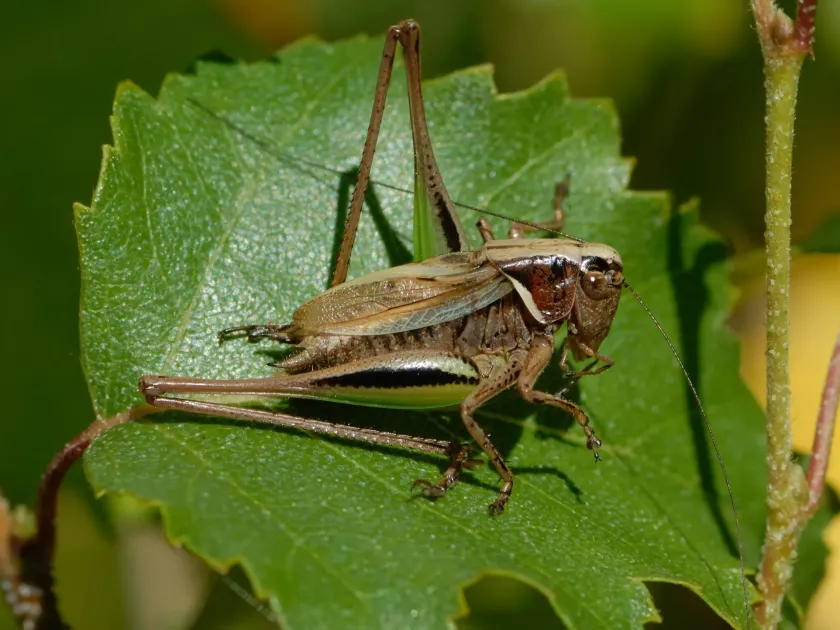
Description
How to identify
Metrioptera is a genus belonging to the order Orthoptera and the family Tettigoniidae, commonly known as bush crickets. These insects are medium-sized and typically exhibit cryptic coloration, ranging from green to brown, which helps them blend into their natural environment.
Adults are characterized by long, slender antennae and powerful hind legs adapted for jumping. While they possess wings, their flight capabilities are generally limited to short distances, yet they can effectively disperse across agricultural landscapes.
The biological cycle of Metrioptera is closely influenced by local temperature and moisture levels. Females possess a specialized ovipositor used to deposit eggs directly into the soil or within plant stems, serving as a key indicator for field diagnostics.
Nymphs resemble smaller, wingless versions of adults. Throughout their development, they undergo several molting stages, gradually increasing in size and developing wing pads, which allows agronomists to monitor population growth throughout the season.
Accurate species identification often requires a close inspection of morphological features such as the shape of the pronotum and the length of the elytra, which are diagnostic traits for experts assessing population dynamics.
What it damages
Metrioptera species are polyphagous, meaning they feed on a diverse range of host plants. They pose a significant threat to field, vegetable, and technical crops, often targeting the most succulent parts of the plant vegetation.
Cereal crops are particularly vulnerable during the grain-filling stage. These bush crickets feed on the glumes and consume developing grains directly from the ear, causing direct yield losses and reducing the quality of the harvested crop.
Beyond cereals, they frequently attack forage crops like alfalfa and clover, as well as maize. Feeding on foliage and stems results in weakened plants, reduced photosynthetic capacity, and overall stunting of growth.
During years of peak infestation, bush crickets can devastate young seedlings by consuming them entirely, leading to significant stand reduction and the need for costly replanting efforts in affected areas.
Mechanical damage caused by their mandibles creates entry points for various pathogens, including fungi and bacteria, which can trigger secondary diseases and further jeopardize plant health.
When it appears
The life cycle of Metrioptera involves an overwintering stage, where eggs remain dormant in the soil or within plant debris. Nymphs emerge in the spring once temperatures reach the necessary threshold for development.
The peak activity of nymphs typically aligns with the rapid vegetative growth phase of major field crops. This is the critical window when monitoring and protective measures are most effective against the growing population.
Adults emerge later in the summer, usually from July to August. This period corresponds with the most severe damage to the reproductive organs of plants, such as ears or panicles, as the insects prepare for reproduction.
The species typically has one generation per year. However, extended periods of warm and dry weather conditions can significantly increase survival rates, leading to rapid population explosions that can overwhelm local crops.
As autumn approaches and temperatures drop, insect activity declines. The cycle concludes with the mating and oviposition of eggs, which serve as the primary mechanism for the species to survive the winter and persist into the next season.
Signs of infestation
The primary sign of a Metrioptera infestation is the presence of characteristic jagged edges on leaves. Unlike the smooth cuts left by some lepidopteran larvae, bush cricket feeding results in uneven, shredded leaf margins.
When inspecting cereal ears, one can observe partially consumed grains and missing glumes. The presence of auditory signs, such as the characteristic stridulation of males, often signals a high-density population within the field.
Fecal pellets (frass) found on the lower leaves or the soil surface indicate concentrated feeding activity. These signs are useful for mapping the extent of an infestation before visual confirmation of the insects is made.
Using an entomological sweep net is the standard method for detection. Regular sweeping allows for the quantification of population density, which is essential for determining the need for intervention.
Heavily infested fields may exhibit stunted growth, patchy stands, and uneven ripening. These symptoms are clear indicators of the cumulative stress placed on the plants by the constant feeding pressure of the bush crickets.
Control measures
Effective management of Metrioptera requires an integrated approach that combines sound agronomic practices with targeted chemical control when necessary to minimize crop damage.
Deep tillage following the harvest is a vital cultural control measure. It disturbs the soil and buries or destroys the eggs deposited by females, significantly reducing the success of the next generation.
Managing weeds along field margins and borders is equally critical. These areas often serve as reservoirs where populations thrive before migrating into the main crop once the wild vegetation begins to dry out.
If the economic threshold of damage is exceeded, the application of registered insecticides is recommended. The choice of chemical should prioritize options that minimize impact on beneficial insects while effectively targeting orthopterans.
Biological control, including the protection of natural predators like insectivorous birds and parasitic wasps, plays an essential role in keeping populations in check through natural mortality factors, promoting long-term sustainable agriculture.
Taxonomy
- Latin name
- Metrioptera
- Order
- Orthoptera (locusts)
- Family
- Tettigoniidae
- EPPO code
- MTRPSP
Discussion
No discussions yet — be the first.