
Meganola
Meganola
Description
How to identify
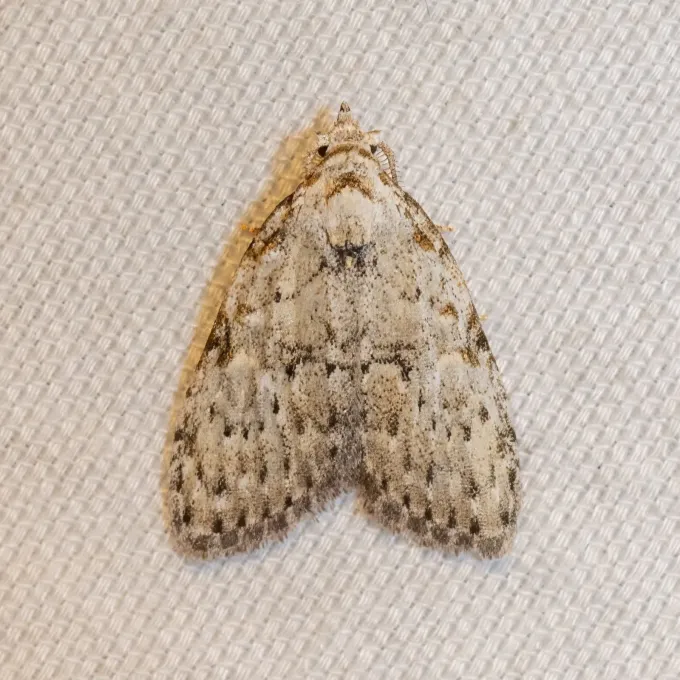
Meganola is a genus of moths belonging to the family Nolidae. These insects are characterized by their nocturnal behavior and cryptic coloration, which helps them remain hidden on tree bark during the day.
Adult moths typically exhibit grey or brownish patterns that blend seamlessly with the texture of wood, making them difficult for casual observers to spot in natural environments.
The larvae, or caterpillars, often possess distinctive tufts of hair and tubercles. Their appearance changes through various instars as they grow and prepare for the pupal stage.
Pupae are formed within tough, often well-camouflaged cocoons. These are frequently attached to twigs or bark, providing the developing insect with significant protection against weather and predators.
Taxonomically, the genus resides within the order Lepidoptera. Understanding their specific lifecycle requirements is essential for developing effective integrated pest management (IPM) programs.
What it damages
Meganola species primarily feed on the foliage of various deciduous trees, including oak and other related species. The larvae are the main destructive stage, causing visible harm to the plant canopy.
By consuming leaf tissue, the larvae often cause skeletonization, leaving only the tougher veins intact. This process significantly reduces the photosynthetic efficiency of the host tree.
In cases of severe infestation, the cumulative damage can lead to widespread defoliation, stressing the plant and leaving it vulnerable to drought or nutrient deficiencies.
Young saplings in nurseries are particularly susceptible, as repeated defoliation can stunt growth or even lead to tree mortality if the infestation is left unmanaged.
Wounds created during feeding can also serve as entry points for pathogens, facilitating the spread of fungal diseases that further weaken the tree's overall vigor.
When it appears
The activity of Meganola typically begins in the spring, coinciding with the flushing of new leaves, which serves as a primary food source for emerging larvae.
Adult moths emerge throughout the summer months, often in consecutive generations depending on the regional climate, with flight activity occurring almost exclusively at night.
Egg-laying is timed to ensure that hatching larvae have immediate access to fresh foliage, allowing them to rapidly gain biomass during their peak feeding period.
As autumn approaches, the final generation of caterpillars seeks out sheltered locations to undergo pupation, ensuring their survival through the winter months.
Monitoring the onset of spring temperatures is crucial for forecasting when to begin protective measures, as warmer years often lead to earlier outbreaks.
Signs of infestation
The most reliable sign of a Meganola infestation is the presence of irregular leaf damage, often described as skeletonization, along the margins and surfaces of leaves.
Frass (larval droppings) appearing as small, dark pellets on the leaves or the ground beneath the tree canopy is a clear indicator that feeding is currently taking place.
Larvae can sometimes be found resting in silk-spun retreats or rolled leaves, which they construct to protect themselves from environmental stressors and avian predators.
Visual confirmation of the caterpillars on the undersides of leaves is the most direct diagnostic tool for assessing the severity of an infestation.
- Skeletonized leaf margins.
- Silk webbing between adjacent leaves.
- Visible larvae or pupal cases on bark.
Control measures
Biological control represents a sustainable management option, utilizing specific pathogens like Bacillus thuringiensis to target larvae without harming beneficial insects.
Chemical control with systematic or contact insecticides may be necessary during high-pressure outbreaks to prevent significant economic or aesthetic damage to valuable trees.
Proper silvicultural practices, such as removing heavily infested branches and maintaining tree health through adequate irrigation, help keep populations at manageable levels.
Encouraging natural predators, such as parasitic wasps and predatory birds, creates a balanced ecosystem that naturally regulates the abundance of Meganola over time.
Implementing pheromone-based monitoring stations allows for the precise timing of control applications, ensuring that treatments are effective while minimizing environmental impact.
Taxonomy
- Latin name
- Meganola
- Order
- Lepidoptera (butterflies)
- Family
- Nolidae
- EPPO code
- MGNLSP
Discussion
No discussions yet — be the first.