
Toad blowfly
Lucilia bufonivora
Description
How to identify
The Toad blowfly (Lucilia bufonivora) is a member of the Calliphoridae family, order Diptera. These flies are characterized by a striking metallic green or blue sheen, typical of the Lucilia genus.
Identifying this species in the wild is challenging because it closely resembles common blowflies that feed on carrion. The key differentiator is its highly specialized parasitic behavior toward live amphibians.
Adult flies typically measure between 8 to 12 millimeters in length. Males and females can be distinguished by the distance between their eyes, with males having closer-set eyes, a feature often studied by entomologists.
The larvae are specialized for parasitic existence, equipped with mouth hooks that allow them to penetrate the skin and tissues of living toads, which is a unique trait among many fly species.
Understanding the life cycle and morphology of this fly is crucial for researchers studying the population dynamics of amphibians and the ecological impacts of parasitic insects.
What it damages
This fly does not directly damage agricultural crops. However, it causes significant ecological harm by preying on toads, which are beneficial predators that control garden pests like slugs and snails.
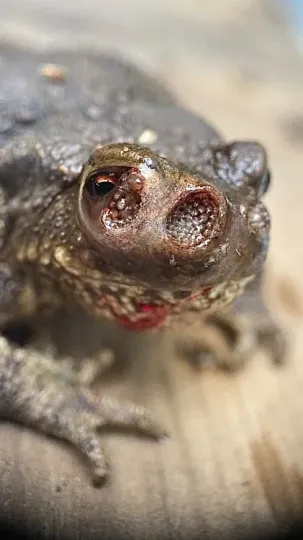
The parasitic larvae enter the host, typically through the nasal cavities or eyes, causing severe tissue damage that leads to the death of the toad within a short period.
The decline of toad populations due to these flies creates an ecological imbalance, often leading to an increase in harmful pests in gardens and farms that rely on natural predation.
Gardeners and farmers might notice an increase in crop damage from snails and insects if the toad population is decimated, forcing them to use more chemical interventions.
By disrupting the natural food web, the Toad blowfly acts as an indirect pest that negatively affects the long-term sustainability of home gardens and small-scale farms.
When it appears
The activity of adult flies begins in late spring and continues throughout the summer, peaking during the warm months when humidity levels are optimal for development.
The fly's life cycle is temperature-dependent. Warm weather accelerates the development from egg to adult, allowing for multiple generations to occur within a single growing season.
Overwintering occurs primarily in the pupal stage. They hide in the soil or organic debris, providing them with enough protection to survive the cold temperatures until spring.
The emergence of adult flies coincides with the period when young toads are most active and migrating, which increases the likelihood of parasitic encounters.
Climate factors such as mild winters and damp summers can lead to larger populations of these flies, further increasing the pressure on local toad colonies.
Signs of infestation
Visible open wounds or lesions, especially around the eyes, nose, or mouth of a toad, are the primary indicators of a Toad blowfly infestation.
Infected toads exhibit lethargic behavior, lose their appetite, and often isolate themselves in shady areas, failing to show normal defense responses to external stimuli.
The presence of adult flies hovering near amphibians is a significant warning sign that a parasitic cycle is underway in that specific environment.
In advanced stages, skin inflammation and a sickly appearance of the host are evident, and the presence of larvae inside the body cavity confirms the diagnosis.
A sudden, unexplained decline in the number of toads within a previously thriving garden area suggests the presence of this harmful parasite.
Control measures
The best method of management is sanitation. Removing decaying organic matter and compost waste helps to minimize the attraction of blowflies to the area.
Utilizing targeted, eco-friendly fly traps with non-toxic attractants can help reduce the population of adult flies without harming beneficial insects or the toads themselves.
Promoting biodiversity by providing shelter and habitats for birds and predatory insects helps create a balanced environment that naturally keeps fly populations in check.
It is essential to avoid the indiscriminate use of chemical pesticides, as these can kill the beneficial amphibians we are trying to protect and disrupt the natural food chain.
- Keep garden areas free from rotting organic waste.
- Install fly screens in garden sheds or storage areas.
- Maintain natural habitats like ponds and log piles for toads.
- Use non-toxic traps to monitor fly presence.
- Minimize broad-spectrum insecticide usage.
Taxonomy
- Latin name
- Lucilia bufonivora
- Order
- Diptera (flies)
- Family
- Calliphoridae
- EPPO code
- LUCIBU
Discussion
No discussions yet — be the first.