
Apache plant bug
Lopidea apache
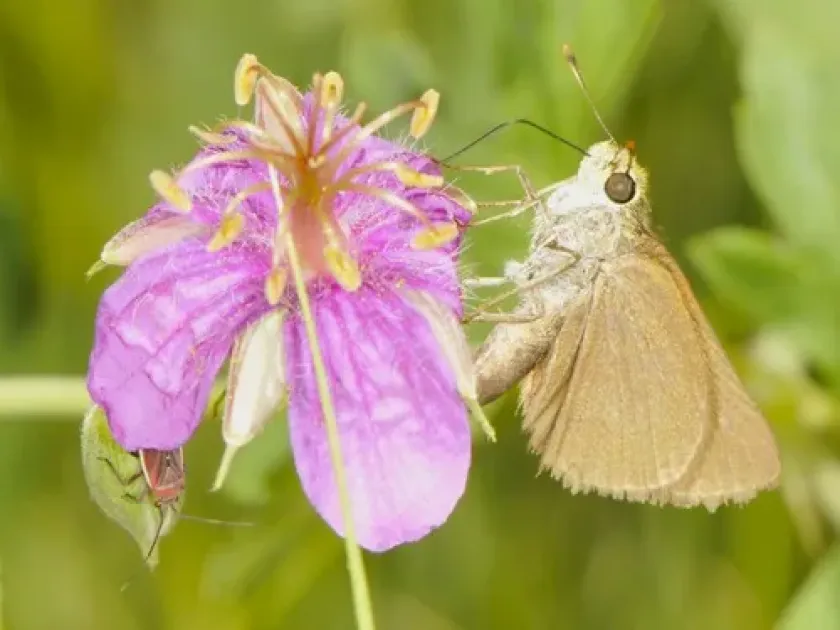
Description
How to identify
The Apache plant bug (Lopidea apache) is a species of insect belonging to the family Miridae (plant bugs) in the order Hemiptera. These insects are easily recognized by their striking coloration, which features a combination of red, orange, and black patterns.
Adults typically have an elongated, oval body shape. The head and pronotum often bear specific dark markings that act as key identification features for entomologists monitoring local pest populations.
Because they are highly mobile, these insects are often spotted on the undersides of leaves where they feed, utilizing their specialized mouthparts to pierce plant tissues.
Nymphs of the species go through several developmental stages, gradually developing the adult coloration. They are frequently found in colonies on the host plant during the peak growing season.
Accurate identification is essential, as there are many similar species within the Lopidea genus that can be confused with the Apache plant bug in the field.
What it damages
The Apache plant bug feeds on a diverse range of host plants, particularly targeting species within the Asteraceae and other common garden families. They pierce plant cells to extract sap, causing systemic stress to the host.
The feeding activity leads to localized cellular damage, which manifests as chlorotic spots, stunted growth, and distorted leaves. This reduces the plant's ability to perform photosynthesis effectively.
Young transplants and tender seedlings are particularly vulnerable to these bugs, as their feeding can lead to permanent damage to the apical meristems and growth tips.
In ornamental gardens, the aesthetic value of plants is significantly diminished by the mottled leaf damage caused by these pests during the summer months.
Heavy infestations can lead to premature leaf drop and increased susceptibility to secondary fungal pathogens that enter the plant through the feeding wounds.
When it appears
The seasonal activity of the Apache plant bug is closely tied to rising temperatures in the spring. They are most prevalent during the warmer months when host plants are in their peak vegetative stage.
The life cycle begins with overwintering eggs laid in woody debris or plant stems. As spring temperatures rise, nymphs emerge to begin their feeding cycle on new growth.
Multiple generations can occur throughout the growing season, which allows the population to expand rapidly if left unchecked by natural enemies or management practices.
Peak population densities are often reached in mid-to-late summer, coinciding with the flowering and fruiting stages of many common plant hosts.
As autumn approaches and temperatures begin to decline, adult activity levels drop as they prepare to deposit eggs for the following year's generation.
Signs of infestation
The initial signs of an infestation include the appearance of tiny, white or light-colored stippling on the leaves, which can be mistaken for mite damage or viral disease.
Over time, the damage spots expand, causing the leaves to yellow, curl, and occasionally become brittle. Affected plants may show signs of overall wilting despite adequate water supply.
Closer inspection of the foliage will reveal the presence of adult bugs or nymphs, which are known to be quite jumpy and will quickly move or fall from the plant when disturbed.
- Small, light-colored feeding punctures on foliage.
- Leaf distortion and curling at the terminal ends of branches.
- Cast skins (exuviae) left behind by developing nymphs on leaves.
- Yellowing and premature leaf senescence on affected plants.
If you observe sudden growth stagnation or leaf deformation, a thorough check of the leaf undersides is recommended to confirm the presence of these mirid bugs.
Control measures
Management of the Apache plant bug starts with proactive sanitation. Removing crop residues and weeds at the end of the season eliminates the overwintering sites needed for eggs.
Integrated pest management (IPM) strategies, including the conservation of natural predators such as lady beetles and lacewings, can help maintain population levels below the damage threshold.
If chemical intervention is necessary, apply selective insecticides during the early nymph stages to prevent the development of a large adult population that could cause significant damage.
Monitoring using yellow sticky cards can provide an early warning of adult migration onto your crops, allowing for timely application of control measures.
Maintaining healthy, vigorous plants through proper irrigation and fertilization improves the plant's natural resilience and ability to recover from minor feeding damage.
Taxonomy
- Latin name
- Lopidea apache
- Order
- Hemiptera (bugs, aphids, leafhoppers)
- Family
- Miridae
- EPPO code
- LOPIAP
Discussion
No discussions yet — be the first.